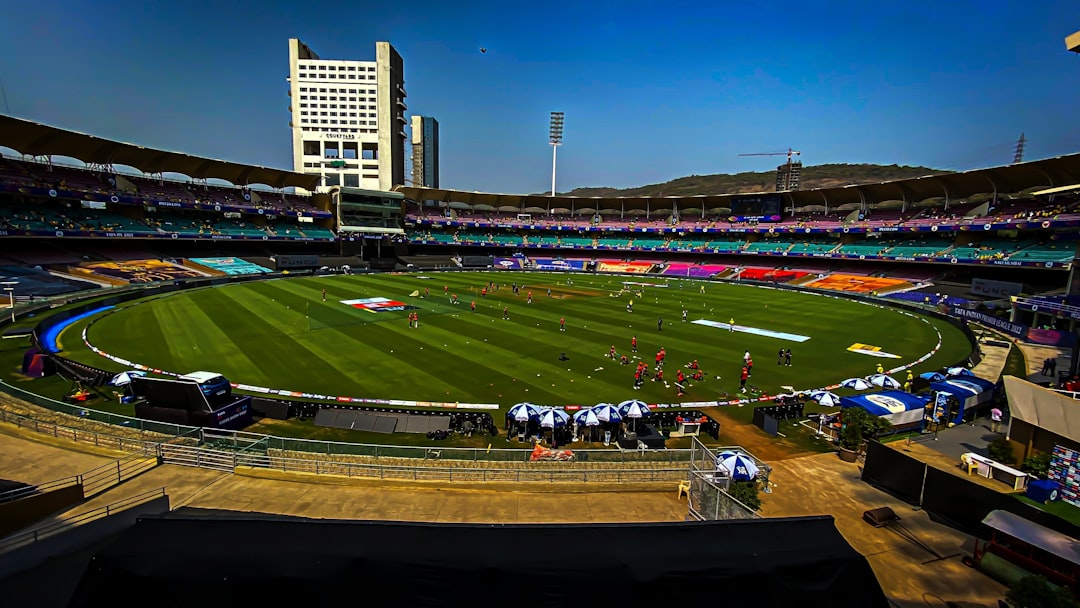
Long-term injuries force cricket franchises, boards, and player managers to answer a brutally simple question: how much should you pay for future performance when the body has already signaled higher injury risk? The smartest answer is not to “discount” a player into resentment or “guarantee” money into avoidable financial exposure. It is to build a contract that prices uncertainty, protects player welfare, and still rewards elite upside if the athlete returns to form. That is exactly why recent NFL recoveries from major injuries matter to cricket. Their contract structures show how to separate belief in talent from blind faith in durability, a lesson every cricket decision-maker should study alongside public labor tables, data analysis, and the kind of market discipline used in scouting-style valuation frameworks.
In cricket, an ACL tear or Achilles rupture is not just a medical event. It changes player availability curves, tournament planning, selection depth, insurance logic, and even commercial value. Franchises that ignore this often end up paying for reputational optimism instead of performance probability. Franchises that overcorrect can destroy trust with players and agents, especially when the athlete is already doing the hardest work of recovery. The right model is a governed balance of fixed salary, appearance-based incentives, rehabilitation milestones, squad protection, and insurance coverage, similar in spirit to how organizations manage uncertainty in governed AI systems or how event teams use travel-risk planning to reduce avoidable exposure.
Why NFL Injury Comebacks Offer a Useful Blueprint for Cricket
Major injury returns are contracts under stress, not just medical stories
The NFL is a useful comparison because its labor market openly prices attrition, scarcity, and uncertainty. Players returning from major injuries can still command strong deals if teams structure the contract to absorb downside. The recent free-agency market showed this clearly: a player like Trey Hendrickson, coming off a season shortened by surgery, still attracted a reported four-year, $112 million deal because clubs were willing to buy production but wanted the right to manage their exposure through structure. That same logic applies in cricket when a bowler returns from an Achilles injury or a batter recovers from a severe knee issue. The headline number matters, but the guaranteed money, triggers, and protection clauses matter more.
What NFL teams already do well that cricket can borrow
Teams in the NFL often separate base value from risk-loaded upside. They use roster bonuses, workout incentives, per-game incentives, and performance escalators to keep the player motivated while limiting guaranteed downside if recovery stalls or re-injury occurs. This resembles how smart commerce teams use pricing ladders and discount logic instead of one blunt price. Cricket franchises, by contrast, frequently default to either fully guaranteed overseas star deals or informal handshake flexibility, neither of which is ideal for rehabilitation cases. The NFL model suggests that the best contract is not the largest one; it is the one that aligns medical reality with competitive upside.
Recent injury markets show a clear principle: pay for playable certainty
The lesson from recent NFL market behavior is that teams will still pay for elite talent after injury, but they expect evidence of return. That means physical readiness, movement confidence, and workload tolerance have to be priced into the contract itself, not just discussed in medical reports. Cricket teams can mimic this by linking salary tranches to match fitness clearance, bowling-load thresholds, sprint metrics, or repeated-skill tolerances. This is no different from how publishers and media teams turn messy inputs into an actionable operating model, as seen in market-data driven newsroom strategy or the narrative discipline in turning product pages into stories that sell.
The Real Cost of ACL and Achilles Injuries in Cricket
Availability loss hits far beyond the salary line
An ACL or Achilles injury can remove a player for an entire season, and in cricket that absence may be even more damaging than in some other sports because the calendar is congested and role-specific. A fast bowler who loses one domestic season may miss not only matches but rhythm, conditioning blocks, and selection windows. A top-order batter may return physically fit but technically uncertain, which creates invisible performance drag before statistics fully reveal it. That is why contract design must treat injury as an availability problem, a performance problem, and a commercial problem at the same time.
Financial risk includes replacement cost and squad compression
When a key player is injured long term, clubs usually pay twice: once through the contract and again through replacement talent, accelerated recruitment, or overuse of remaining squad members. This is the same logic seen in high-performance supply chains, where breakdowns create hidden downstream costs. In cricket, a missing all-rounder can force tactical compromises, weaken bench depth, and reduce team flexibility across formats. The club’s contract strategy should therefore include a realistic replacement-cost lens, not only the player’s historical average runs, wickets, or strike rate.
Player welfare and reputation risk are part of the ledger
Cricket governance is not just about minimizing losses; it is about treating recovery fairly enough that injured players trust the system. If a club is seen as punishing an athlete for getting hurt, it damages future recruitment, agent relationships, and dressing-room morale. That reputational effect is similar to the trust issues organizations face in reputation-sensitive policies or in fan-facing media choices like turning attention into trust. A cricket contract that ignores player welfare may be cheaper in the spreadsheet and more expensive in the long run.
Contract Structures Cricket Teams Should Use After a Major Injury
1) Reduced base, higher upside
The cleanest structure for a recovering player is a lower guaranteed base salary paired with strong performance incentives. This protects the team if recovery is incomplete while still allowing the player to earn back full value by demonstrating form and durability. For a recovering fast bowler, the incentives might include matches played, overs bowled without medical interruption, and selection in successive squads. For a batter, triggers could include innings played, strike rotation metrics, and fitness sign-off at defined checkpoints. This is contract design as risk pricing, not contract design as punishment.
2) Split-year or phased activation deals
Cricket has one major advantage over some leagues: many rosters naturally move through phases, tours, and tournaments. Teams can use phased activation by paying an initial rehab-retainer, then escalating into match-fee status only after objective readiness milestones are met. That keeps the player financially supported during recovery while preserving club protection. A phased structure also reduces the temptation to rush back before tissue healing and workload adaptation are complete. The principle is similar to how businesses stage launches in reliable automation systems: validate, monitor, then scale.
3) Club option years and mutual extensions
Option years can be powerful when a player is coming off a serious injury, but they should be mutual whenever possible. A club option protects the franchise if the athlete returns late or not at full capacity, while a mutual option respects the player’s bargaining position if recovery goes exceptionally well. In high-risk cases, the option year can be tied to health markers and workload completion instead of simply being a low-ball extension. Used correctly, options are not a trap; they are a bridge between uncertainty and renewed confidence. Used badly, they become a source of resentment and future negotiation breakdowns.
4) Appearance and workload bonuses
One of the most practical lessons from NFL contracts is that incentives should reward availability, not just headline production. Cricket teams can use bonuses for matches played, overs completed, or consecutive squad selections. For a returning fast bowler, a bonus paid after every completed workload block is better than a one-time “come back strong” promise, because it reflects the actual physiological challenge of return to play. For batsmen and wicketkeepers, incentives can be tied to consecutive matches, fielding hours, or fitness test compliance. This is where a strong player-facing framework matters more than verbal reassurance.
5) Injury protection and medical release clauses
Every long-term deal for a returning player should include a clear medical protocol. The contract should define independent review, second-opinion rights, rehab milestones, and what happens if symptoms recur during a defined window. It should also state whether the club can suspend escalators if the athlete misses defined medical benchmarks, and whether the player can seek outside expertise. That level of clarity reduces conflict when uncertainty inevitably returns. Good governance in this sense resembles future-proof legal practice: anticipatory, documented, and fair.
Insurance: The Missing Lever in Cricket Risk Pricing
Teams should stop treating insurance as an afterthought
Insurance can materially change the economics of an injured-player contract, but only if it is built into the signing process rather than added later. Clubs should evaluate policy coverage for salary protection, permanent disablement, tour cancellations, and medical expense sharing. For a major rehab case, the decision is not simply “insured or not insured”; it is what portion of base salary, bonus exposure, and replacement cost the policy can realistically absorb. Many clubs underuse this lever because they focus on transfer or auction price, not total risk-adjusted cost. That is a mistake that higher-functioning sports businesses cannot afford.
What cricket teams should ask insurers before signing
Decision-makers should ask when coverage begins, which injuries are excluded, whether prior surgery affects premiums, and how return-to-play disputes are handled. They should also ask whether a player’s rehab milestones can be independently verified for claims purposes. If a contract includes escalating pay based on games played, the club must know whether bonus exposure is insurable or self-funded. Without that clarity, a “cheap” contract may turn into an expensive accounting problem. This is the same discipline that smart operators apply when comparing hardware alternatives or analyzing risk in used-vehicle purchases.
Insurance should support player welfare, not undermine it
There is a temptation to use insurance as a reason to delay support or over-police a player’s rehabilitation. That would be short-sighted. The best clubs use insurance to stabilize the finances of care, not to reduce compassion or medical autonomy. A good policy lets the player recover properly while protecting the organization’s books. The more transparent the club is about this, the more trust it builds. That trust matters because injured players need to believe the club is invested in their long-term health, not just their next available match.
Incentives That Reward Recovery Without Creating Perverse Behavior
Use objective milestones, not vague “good faith” language
Good incentives are measurable. Instead of promising a vague bonus for “being fit,” clubs should define target markers like completed training blocks, sprint-load thresholds, bowling workload over a four-week period, and back-to-back match readiness. Those markers should be negotiated with medical staff and the player’s representatives. Objective criteria reduce conflict and make the reward feel earned rather than arbitrary. They also stop clubs from moving the goalposts when the player is close to returning.
Avoid incentives that pressure premature return
Not every incentive is healthy. If a player receives a huge bonus for appearing in a certain number of matches, they may feel pressure to return before their tissue adaptation is ready. For Achilles and ACL cases, that is a dangerous incentive design because re-injury risk can spike when confidence outpaces strength. Cricket teams should therefore balance availability incentives with medical safeguards and rest provisions. This reflects the same careful tradeoff seen in responsible audience growth: attention is valuable, but not every push creates sustainable value.
Consider rehab-stage bonuses as a separate category
One excellent practice is to create rehab-stage bonuses that are entirely separate from playing bonuses. A player can be rewarded for completing physiotherapy blocks, hitting strength benchmarks, passing movement tests, and rejoining structured cricket loads. This recognizes the work of recovery itself rather than pretending only match appearances matter. For long-term injured players, that distinction is crucial because it preserves dignity and signals that rehabilitation is part of performance, not a detour from it. It also reinforces the club’s commitment to responsible fitness planning and long-term development.
A Practical Contract Comparison for Cricket Teams
The table below compares common contract approaches for players recovering from ACL or Achilles injuries. The right choice depends on age, role, injury severity, remaining contract years, and whether the player is an irreplaceable match-winner or a rotation piece. A franchise should not apply one template to every case, because the financial and sporting downside is very different for a 22-year-old pacer and a 34-year-old batting anchor. Use the table as a decision framework, not a rigid rulebook.
| Contract Model | Guarantee Level | Best For | Strength | Risk |
|---|---|---|---|---|
| Full guaranteed extension | High | Elite, irreplaceable stars | Maximizes player security and loyalty | Heavy financial exposure if recovery fails |
| Reduced base + incentives | Moderate | Players with strong upside but uncertain return | Balances protection and upside | May feel harsh if incentives are too hard to reach |
| Phased activation contract | Low initially, rising with milestones | Long rehab timelines | Aligns pay with objective recovery stages | Requires careful administration and medical governance |
| Club option year | Moderate | Players with uncertain durability | Protects club if form is delayed | Can damage trust if one-sided |
| Mutual option + rehab bonuses | Moderate | Return-to-play cases needing good-faith partnership | Best balance of fairness and flexibility | Needs clear negotiation and documentation |
How Franchise Economies Should Model Injury Risk
Think in probabilities, not emotions
Cricket teams often overvalue the emotional certainty of a beloved player. The better approach is to forecast probability-adjusted value. How many matches is the player likely to play? What is the chance of a recurrence? How much drop-off should be expected in the first 20 percent of return matches? These questions are not clinical speculation; they are business fundamentals. Smart businesses already model uncertainty in other domains, from fare tracking to economy coverage. Cricket should do the same for injuries.
Use expected value, not peak value, to set offers
Expected value pricing takes the player’s peak output and discounts it by likely availability, recovery speed, and role-specific workload. A fast bowler returning from Achilles surgery may still have match-winning upside, but the expected value in the first season back should reflect reduced overs tolerance and higher rehab supervision. An opener returning from ACL surgery might retain batting skill but lose lower-body endurance early in the season. If the offer ignores those realities, the franchise is buying name recognition, not expected contribution.
Build a replacement-cost ceiling into every offer
Another practical rule: no injury-sensitive offer should exceed the cost of full replacement plus a modest premium for upside. That ceiling helps teams avoid bidding wars driven by nostalgia or fear of missing out. It also ensures the club can still field a competitive squad if the player’s return is delayed. The approach mirrors disciplined inventory decisions in inventory planning: do not overcommit stock when demand is uncertain and timing matters.
Player Welfare Is Not Separate from Contract Strategy
Rehab support should be explicitly funded
A good cricket contract for a recovering player should include real support, not just salary math. That means access to physio, strength staff, nutrition plans, travel adjustments, and workload monitoring. If the club wants the player to return at maximum value, it should invest in the ecosystem that makes that return possible. This is no different from how high-performing teams plan recovery and gear around field performance, as seen in on-the-go athlete kits. Recovery is part of the asset, not an optional extra.
Trust improves retention and negotiation leverage
Players remember who stood by them when they were unavailable. A club that supports rehab transparently often earns future flexibility, better contract conversations, and stronger internal culture. That can be more valuable than shaving a small amount off guaranteed money today. It also reduces the chance that agents view the franchise as hostile to injured talent. In the long term, a reputation for fair dealing becomes a competitive advantage.
Governance should include medical, legal, and cricketing voices
Too many injury-related contracts are driven by only one function: finance, cricket ops, or legal. The best approach is cross-functional. Medical staff define safe return parameters, legal teams write enforceable clauses, cricket leaders define role value, and finance sets risk boundaries. This is similar to the coordination required in enterprise operating models or governed credentialing systems. When one stakeholder dominates, mistakes multiply.
Implementation Checklist for Cricket Teams
Before signing a recovering player
First, obtain a full medical and workload assessment from independent specialists. Second, estimate the player’s expected availability over the next 12 to 18 months. Third, define which performance metrics matter most for the role, because a bowler and a wicketkeeper should not be judged with the same trigger model. Fourth, determine the replacement-cost ceiling and the maximum guaranteed exposure the club can tolerate. Fifth, confirm insurance options before finalizing the offer.
During negotiation
Negotiate guarantees, options, and incentives as one integrated package rather than separate bargaining silos. If the player wants security, you may need to offer a higher base but weaker option protection. If the club wants more flexibility, it should give clearer upside on return milestones. Clarity matters because hidden clauses usually become disputes later. The best negotiations feel tough but not deceptive.
After the contract is signed
Track return-to-play progress through agreed medical checkpoints and performance data. Share updates respectfully with the player and relevant internal stakeholders, and avoid surprise escalations or silent clause interpretations. If the player exceeds expectations, be prepared to renegotiate in good faith. That flexibility is important because recovery trajectories can improve dramatically once confidence and conditioning return. Smart teams treat the contract as a living framework, not a static weapon.
What Cricket Can Learn from the NFL Right Now
Injury does not erase value, but it changes how value should be paid
The most important NFL lesson is not that injured players should be paid less. It is that they should be paid differently. Teams still invest in elite talent because upside remains real, especially when the market is scarce. But they design the contract to reflect uncertainty, not deny it. Cricket should adopt the same mindset rather than swinging between sentimental overpayment and overly cautious underinvestment.
Risk pricing is a form of respect
When a club acknowledges injury risk directly, it shows maturity. It says: we believe in the player, we understand the medical reality, and we are willing to structure a deal that protects both sides. That is far more respectful than pretending the injury does not matter or using it as leverage to force a bad deal. Risk pricing, when done fairly, is not cold. It is honest.
Clubs that master this will win both on the field and in the market
Cricket teams that build smarter contracts for ACL and Achilles recoveries will make better roster decisions, reduce financial waste, and strengthen player trust. They will also improve their long-term reputation with agents, fans, and future signings. In a sport increasingly shaped by franchise economics, the best operators will be those who can protect the downside without killing the upside. That is the real competitive edge.
For more on building smarter decision systems, see our guides on reading labor signals, security tradeoffs and safe rollout patterns, and interpreting market moves through buyer value. The underlying idea is the same everywhere: when uncertainty is real, the contract must be built for reality, not optimism.
Pro Tip: If a player is returning from ACL or Achilles surgery, never negotiate on total salary alone. Structure the deal around guaranteed base, rehab milestones, match-availability bonuses, and option rights, then test whether insurance can absorb the biggest downside scenarios.
Frequently Asked Questions
Should cricket teams reduce salary for players returning from major injuries?
Not automatically. The better approach is to reduce guaranteed exposure if the risk is high, while preserving upside through incentives and recovery milestones. That keeps the player supported and the club protected.
What is the best contract model for an Achilles recovery?
Usually a phased or incentive-heavy structure works best because Achilles returns can be unpredictable in workload tolerance. A club option or mutual option can also help if the return window is uncertain.
Can insurance cover a long-term injured player’s salary?
Sometimes, but coverage varies by policy, prior injury history, and contract terms. Clubs should confirm coverage for salary, medical costs, and bonus exposure before finalizing the deal.
What incentives are safest to use?
Objective incentives like matches played, training completion, workload blocks, and fitness test passes are safer than vague “performance” language. They are easier to measure and less likely to pressure a player into an early return.
How can clubs protect player welfare while limiting financial risk?
By using independent medical review, phased rehab support, transparent clauses, and a contract structure that rewards healthy return rather than punishing injury. Player welfare and financial discipline should be designed together, not separately.
Related Reading
- Build a Compact Athlete's Kit: Must-Have On-the-Go Gear for Training and Recovery - A practical look at recovery essentials that support return-to-play routines.
- When Big Tech Builds Fitness: A Responsible-Use Checklist for Developers and Coaches - Useful guidance for balancing performance tools with athlete safety.
- Shock vs. Substance: How to Use Provocative Concepts Responsibly to Grow an Audience - A reminder that urgency should never outrun substance in decision-making.
- Future-Proofing Your Legal Practice: Essential Strategies for 2026 - Helpful for understanding clause design, compliance, and dispute prevention.
- Event Organizers' Playbook: Minimizing Travel Risk for Teams and Equipment - A risk-management framework that translates well to sport operations.