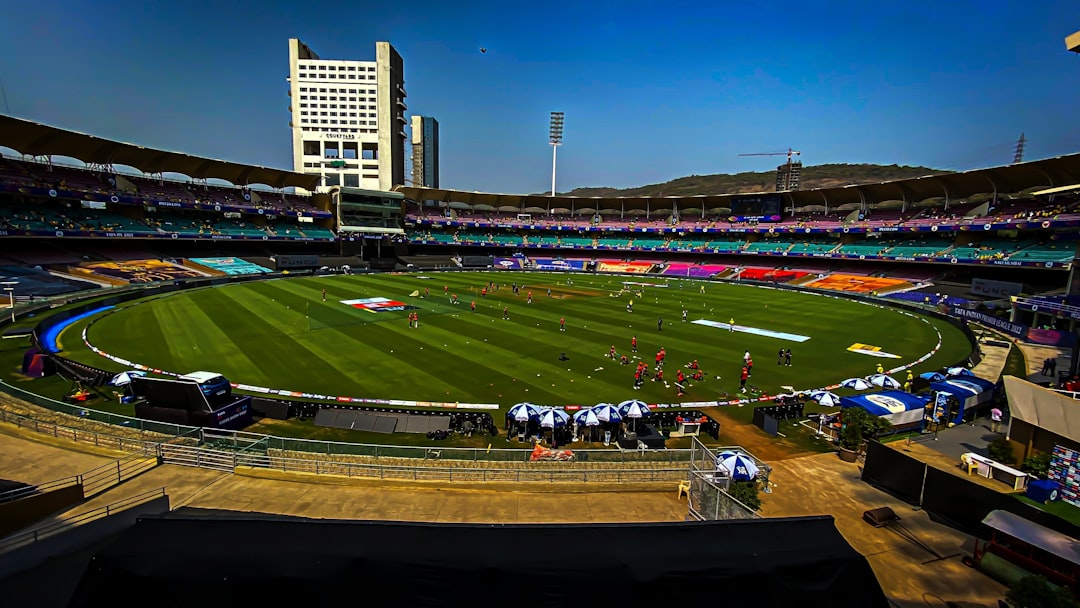
Women’s cricket has never had more momentum, but performance gains can’t come at the expense of player health. The Australian Institute of Sport’s female athlete performance and health emphasis, often referenced through AIS FPH, is a practical reminder that elite systems must be designed around the realities of female physiology, not forced to adapt women into outdated training models. For cricket boards, that means moving beyond generic fitness plans and building a health-first performance framework that addresses menstrual cycle variability, load management, nutrition, recovery, and injury prevention together. If you want a broader look at the sport ecosystem behind this shift, start with our guide to Australia’s high-performance sport strategy and the sector-wide push toward more athlete-centered systems.
This is not a niche welfare conversation; it is a talent-retention issue and a performance issue. Women’s cricket loses value when promising players drop out because training is too rigid, support is too thin, or injury cycles are repeated without root-cause intervention. The solution is not a one-off workshop, but a board-level operating model that makes female athlete health measurable, coachable, and fundable. In practical terms, that means building systems that reduce unnecessary loading spikes, improve energy availability, and give players confidence that their bodies are being managed with intelligence and respect.
1) Why AIS FPH matters for women’s cricket right now
Female athlete health is now a performance KPI, not an optional extra
The core AIS FPH message is simple: female athlete performance and health considerations must be embedded into sport design, not layered on top after problems emerge. In cricket, this matters because the sport is a unique mix of high-speed sprinting, rotational loading, throwing, repeated decelerations, batting volume, and long-duration concentration. Those demands can amplify issues such as low energy availability, iron deficiency, menstrual symptoms, stress fractures, hamstring problems, and shoulder overload. If you are building a modern women’s cricket program, the health question is no longer “Who needs help?” but “What in our system is creating preventable risk?”
This is where the AIS approach is especially valuable for boards. It encourages leaders to measure what matters: injury incidence, missed sessions, menstrual health literacy, nutrition adherence, and return-to-play quality. That mirrors how strong high-performance organizations operate in other sectors too, where dashboards and decision rules improve outcomes. For a useful analogy on turning evidence into action, see how practical market data workflows drive better decisions and what actually works in analytics implementation; cricket boards should apply the same discipline to athlete health.
Retention is directly linked to how safe, supported, and understood players feel
Dropout in women’s cricket is often treated as a motivation problem. In reality, it is frequently a system-design problem. Young athletes may leave because they cannot reconcile training with school or work, because menstrual symptoms are dismissed, or because persistent pain is normalized until it becomes an injury. A player who feels unheard is much more likely to disengage than a player who is given options, education, and responsive load changes. That is why retention should be treated as a high-performance metric alongside runs, wickets, and fitness scores.
Boards that want to protect their talent pipeline should borrow the logic of audience retention strategies used elsewhere: reduce friction, personalize the experience, and create clear pathways. Our guide on high-trust live series is not about cricket, but it illustrates a relevant principle: trust grows when communication is consistent and transparent. In cricket terms, that means players should know why training loads change, what data informs decisions, and who owns each part of the support model.
Policy must be translated into weekly training reality
Many sports have good policy language and poor delivery. AIS FPH only becomes meaningful when it changes the weekly cricket environment: how fast bowlers are monitored, how gym loads are periodized, how travel is managed, how nutrition is provided, and how medical escalation works. If the board says female athlete health matters but coaches still push the same sessions through fatigue, the message collapses. Good systems are visible in the calendar, the gym, the dressing room, and the recovery space.
That is why this article is deliberately cricket-focused. It does not stop at general awareness; it proposes interventions boards can implement immediately. If your organization is also managing event operations, ticketing, or fan experience, the same principle of operational design applies in other domains too. For example, our article on micro-market targeting shows how local data can guide smarter resource allocation, which is exactly how women’s cricket should approach city-based support, academy funding, and regional talent pathways.
2) Menstrual cycle-informed training: the most underused performance lever
Why cycle awareness improves both output and adherence
Menstrual cycle-informed training does not mean treating every player the same way every week. It means recognizing that symptoms, sleep, soreness, thermoregulation, mood, and perceived exertion may shift across the cycle, and some athletes need adjusted loading to stay productive. In cricket, this can influence batting concentration, sprint repeatability, bowling rhythm, and fielding intensity. The aim is not to undertrain women; it is to match training stress to the athlete’s state so the body adapts instead of accumulating avoidable fatigue.
Boards should stop viewing cycle tracking as a private issue with no performance value. Properly handled, it becomes a practical tool for planning intense fielding blocks, strength sessions, travel, and recovery windows. That requires confidence, confidentiality, and education for both players and coaches. The best programs give athletes multiple reporting options, normalize conversation, and use data only for support, not selection punishment.
What cricket-specific cycle-informed planning looks like
A cricket program can implement cycle-informed planning in simple stages. First, gather voluntary baseline information through secure athlete check-ins so the support staff understands symptom patterns, not just dates. Second, map the most demanding weekly sessions—throwing, sprint work, long net days, high-volume bowling, and heavy lower-body lifting—and identify where adjustments are most effective. Third, create a response protocol that allows temporary modifications without drama, stigma, or the fear of losing one’s place.
For fast bowlers, this may mean reducing maximal overs in a high-symptom window and emphasizing technical intent, short spells, and mechanical efficiency. For batters, it may mean shifting heavy gym days or high-intensity running if cramps, migraines, or GI discomfort are disrupting quality. For fielders, it may involve adjusting repeated sprint density while preserving skill work. The key is not to remove all challenge, but to preserve adaptation while reducing unnecessary strain.
Communication rules that prevent confusion and mistrust
Every cycle-informed program should include clear privacy rules, a defined chain of communication, and a non-punitive reporting culture. Players must know who sees their data, what is recorded, and how any information is used. Coaches should be trained to ask better questions, such as “How is your recovery today?” rather than “Are you making excuses?” The difference matters because trust drives honesty, and honesty drives useful load decisions.
For sports organizations that want to strengthen communication discipline, there are lessons in other trust-first models. Our guide on launch-page clarity shows why structured information improves engagement, while cross-platform consistency demonstrates how the same message can stay coherent across audiences. Women’s cricket boards should apply the same logic: one policy, one process, many practical touchpoints.
3) Load management: the difference between development and repeated breakdown
Cricket load is multi-dimensional, so monitoring must be too
When people hear load management, they often think only of match minutes. In women’s cricket, that is too narrow. True load includes bowling volume, throwing count, sprinting, net intensity, gym tonnage, travel fatigue, sleep disruption, match pressure, and even psychological load from selection uncertainty. A player can have a modest match load and still be overreaching if her weekly accumulated stress is high. Boards that want fewer injuries must shift from reactive treatment to proactive load intelligence.
The most successful programs track both external load and internal response. External load might include overs bowled, accelerations, session RPE, and high-speed running. Internal load includes mood, soreness, menstrual symptoms, resting heart rate, sleep quality, and perceived recovery. When those indicators move apart, that is often the earliest warning sign that a player is heading toward fatigue or injury.
How boards should redesign weekly planning
A smart weekly plan in women’s cricket should have obvious intensity logic. For example, cluster the highest neural and musculoskeletal demands so they are followed by recovery or lower-intensity skill work, rather than sprinkling hard sessions randomly across the week. This helps the body absorb stress more efficiently and reduces the “always on” feeling that burns out athletes over time. It also gives coaches a cleaner picture of how players respond to specific stressors.
Fast bowlers and all-rounders deserve special attention, because they face compounding risk from running loads, braking forces, repetitive trunk rotation, and shoulder stress. Boards should cap abrupt spikes in bowling load, especially after breaks or travel. Young players transitioning from age-group cricket to senior cricket also need cautious ramp-ups, because their bodies may not yet be adapted to elite competition density. To support disciplined operational planning, see how other sectors prioritize resource deployment in time-and-budget playbooks and launch sequencing strategies.
Return-to-play should be criterion-based, not calendar-based
One of the biggest mistakes in women’s cricket is rushing athletes back because the next fixture is important. That mindset creates relapse, which is far more costly than missing one match. Return-to-play should be based on objective milestones: pain response, strength symmetry, movement tolerance, training exposure, and confidence under cricket-specific loads. If a player is a bowler, she should prove she can tolerate staged bowling workloads before full return. If she is a batter or keeper, the test must reflect repeated trunk rotation, change of direction, or crouching tolerance.
Calendar-based clearance often feels convenient, but it is rarely athlete-centered. The better question is whether the tissue, movement pattern, and competition demands are truly ready. Cricket boards should build written RTP protocols, audit compliance, and require sign-off from medical staff rather than leaving decisions to emotion or fixture pressure. That is especially important in women’s cricket, where the cost of under-recovery can show up later as recurrence, chronic pain, or dropout.
4) Nutrition strategies tailored to female cricketers
Energy availability is the foundation, not the finishing touch
Nutrition for female athletes in cricket must start with adequate energy availability. If training load rises but food intake does not, performance suffers before the athlete or coach realizes what is happening. Common warning signs include persistent fatigue, poor concentration, repeated soft tissue injury, irregular or absent periods, and stalled strength gains. Boards should recognize that poor fueling is not a lifestyle issue; it is a performance risk and an injury-prevention issue.
Cricket seasons can be deceptively demanding because travel, heat, irregular meal timing, and long match days disrupt eating patterns. Athletes often underfuel unintentionally when they rely on convenience snacks or wait too long between meals. This problem is amplified for younger players who are still learning how to eat for training, recovery, and competition. A board-level nutrition model should therefore include education, access, monitoring, and practical food provisioning.
Iron, calcium, protein, and hydration are non-negotiables
Female cricketers have specific nutritional priorities that deserve structured attention. Iron status matters because low iron can undermine aerobic capacity, recovery, and concentration. Calcium and vitamin D support bone health, which is especially important when impact load, sprinting, and fielding stresses are high. Protein distribution across the day helps preserve muscle and support adaptation, while hydration strategies must account for heat, sweating, travel, and match duration.
Rather than relying on one-off advice, boards should standardize nutrition timing around cricket demands. That means a pre-session fueling plan, post-session recovery options, travel snack kits, and match-day hydration checklists. It also means removing the culture of “toughing it out” when athletes are simply underfed. For practical examples of creating usable decision rules, the logic in timing-based planning and value-per-dollar nutrition analysis is useful: the right food at the right time delivers more value than perfect food at the wrong time.
Travel and tournament nutrition should be designed, not improvised
Most cricket nutrition plans fail during travel, not in the training center. Airport meals, delayed flights, unfamiliar venues, and packed schedules all create predictable risk points. Boards should build tournament food systems that include athlete-approved options, backup snacks, recovery windows, and access to hydration. This is especially important in women’s cricket where fixture congestion can mean little time between high-output sessions.
Just as logistics teams optimize flow to prevent bottlenecks, cricket support staff must manage nutrition logistics as part of performance delivery. The same operational mindset appears in smart packing workflows and micro-fulfillment planning. In cricket, the supply chain is the athlete’s plate, and if it breaks down, the whole performance chain weakens.
5) Injury prevention in women’s cricket: what the data should tell us
Build a surveillance system that captures patterns, not just events
Injury prevention becomes effective when teams stop treating injuries as isolated incidents. A proper surveillance system should record what happened, when it happened, what load preceded it, what symptoms appeared first, and what return-to-play route was used. Over time, that data reveals which players, roles, surfaces, schedules, or coaching methods are associated with higher risk. Without that visibility, boards are guessing.
Cricket-specific injury patterns often involve hamstrings, lower back, shoulders, knees, and ankle issues, but the picture is wider in women’s cricket because hormonal, nutritional, and menstrual factors can influence resilience and recovery. That is why a female-athlete lens is essential. The AIS FPH approach gives boards permission to ask better questions and invest in smarter prevention. It is not enough to count injuries; you must understand why they keep happening.
Key prevention priorities for cricket boards
Boards should prioritize movement screening, strength development, and role-specific conditioning. Fast bowlers need trunk control, posterior-chain strength, shoulder endurance, and a carefully managed bowling ramp-up. Batters need rotational power, hip strength, and repeated sprint ability. Fielders need deceleration competence, ankle-knee control, and safe landing mechanics. Every role also needs ongoing education about pain signals versus normal training discomfort.
Another overlooked area is menstruation-related symptom tracking in relation to injury occurrence. Some athletes report more joint discomfort, fatigue, or coordination changes at certain points in the cycle, and those signals can influence workload tolerance. If boards collect the information appropriately, they can use it to shape better decisions. This is where good governance matters as much as good science, similar to the logic behind vendor diligence and trust verification workflows: the system is only as good as the quality of the process.
Prevention is cheaper than replacement
Every board should remember that the cost of injury is not just medical treatment. It also includes lost selection depth, disrupted development, diminished confidence, and the risk of losing a player entirely. In women’s cricket, where depth is still being built in many regions, a preventable injury can remove months or years of progress. Prevention therefore has a compound return: healthier athletes, better continuity, and a stronger competition product.
Boards should budget for prevention the way disciplined organizations budget for maintenance. The same strategy appears in practical planning content such as budget order-of-operations frameworks and smart resource prioritization. Spend first on the interventions that reduce the most risk per dollar: load tracking, nutrition support, education, and qualified medical oversight.
6) What cricket boards should adopt now: a practical AIS FPH action plan
1. Create a female-athlete health lead role
Every board should appoint a named lead responsible for female athlete health integration across pathways, elite squads, and domestic competitions. That person should coordinate medical, strength and conditioning, nutrition, and welfare input into one consistent framework. They should also ensure coaches understand the practical implications of cycle-informed training and load management. Without ownership, good ideas stay fragmented and implementation depends on individual enthusiasm.
This role should not be symbolic. It must have authority to influence planning, access data, and escalate concerns when systems are failing athletes. Boards often have technical leads for batting or bowling, but female athlete health deserves the same seriousness. When people know who is accountable, execution improves.
2. Mandate education for coaches, captains, and support staff
Training women’s cricket coaches in AIS FPH principles should be non-negotiable. Education must cover menstrual cycle literacy, energy availability, injury risk, communication, and privacy. Captains and senior players should also be included, because peer culture strongly shapes whether younger athletes report symptoms early or hide them. If the environment rewards silence, injuries multiply.
Good education is practical, not performative. Use case studies, scenario planning, and training-week examples rather than abstract lectures. A coach should leave the session knowing what to do if a fast bowler reports fatigue, how to respond to irregular periods without judgment, and how to adjust a session safely. Education should be repeated, refreshed, and measured.
3. Build a simple athlete dashboard with clear decision rules
Boards do not need the most expensive tech stack to start improving outcomes. They need a consistent dashboard that tracks training load, wellness, menstrual health, injury status, and recovery markers. Decision rules should be explicit: if two or more risk signals rise, reduce load or trigger medical review; if a player reports persistent symptoms, do not wait for a severe injury to intervene. This is the sports equivalent of using reliable operational dashboards in other industries, where context and timing matter more than flashy tools.
If your organization is already thinking about measurement and reporting, our guide on practical market data workflows and structured launch pages can help frame how simple systems become scalable systems. Start small, standardize the language, and make the dashboard useful for coaches, medics, and athletes alike.
4. Fund nutrition access, not just nutrition advice
Advice alone will not solve fueling problems if athletes cannot access the right food at the right time. Boards should support pre-training meals, post-training recovery options, travel snack packs, and competition-day fueling. If budgets are tight, prioritize the highest-impact items first: recovery protein, iron support where clinically indicated, hydration infrastructure, and practical meal timing education. Nutrition access is part of performance infrastructure, not an optional perk.
This is where operational discipline matters. Organizations that succeed in other domains, such as those covered in value-maximizing purchase strategies or product safety evaluations, know that not all spending has equal impact. In cricket, one well-designed nutrition system can do more for retention and performance than a dozen generic wellness posters.
7) The business case: why this improves results, not just wellbeing
Healthier players train more consistently and perform more predictably
When female cricketers are well fueled, appropriately loaded, and medically supported, they are available more often and adapt more effectively. Consistency is one of the most underrated performance advantages in sport. A player who misses fewer sessions can improve faster, and a squad with fewer injury interruptions can build stable roles, partnerships, and selection continuity. That stability lifts team performance across a season.
Retention also improves the talent economy. Every time a young player stays in the game because the environment felt informed and supportive, the board preserves development investment. That matters in women’s cricket where pathway depth is still expanding and the next generation needs visible, sustainable models. Healthy systems create healthier fan stories too, because consistent athletes become recognizable performers.
Boards reduce risk, protect reputation, and strengthen pathways
There is also a governance argument. A board that ignores female athlete health takes on avoidable medical, reputational, and operational risk. Conversely, a board that adopts AIS FPH principles signals that it is modern, credible, and athlete-centered. That strengthens relationships with players, sponsors, parents, and performance staff. In a crowded sports market, trust is a strategic asset.
For organizations interested in how trust, proof, and audience confidence are built in other domains, see how incentive design affects trust and why credibility depends on responsible practices. Women’s cricket boards should think the same way: athlete trust is earned through visible standards and consistent care.
The long-term prize is a stronger women’s cricket product
If boards get this right, the payoff extends beyond the medical room. Better health systems produce better cricket, deeper squads, and more compelling competitions. Fans respond to quality and continuity, broadcasters benefit from star availability, and domestic pathways become more viable. Most importantly, young girls see a sport that is serious about their bodies, their futures, and their performance.
That is the real promise of applying AIS FPH insights to cricket. Not a checklist, but a culture shift. When female athlete health becomes part of how cricket is coached, funded, and measured, dropout falls and performance rises together.
Pro Tip: The fastest way to improve women’s cricket health is not a high-cost tech project. Start with three non-negotiables: voluntary cycle-informed check-ins, weekly load monitoring, and reliable post-session nutrition. Those three alone can reduce avoidable stress and reveal problems earlier.
Comparison table: what boards do now vs what AIS FPH-aligned cricket should look like
| Area | Typical approach | AIS FPH-aligned approach | Likely benefit |
|---|---|---|---|
| Menstrual health | Rarely discussed unless a player raises it | Voluntary, confidential cycle-informed support with education | Better honesty, fewer hidden symptoms |
| Load management | Mostly match-based and coach-dependent | Multi-metric monitoring of training, recovery, and symptoms | Lower injury spikes and better adaptation |
| Nutrition | General advice only | Structured fueling access around training, travel, and matches | More energy, better recovery, fewer RED-S risks |
| Injury prevention | Reactive treatment after complaints | Surveillance, screening, and role-specific prevention plans | Fewer repeat injuries and more availability |
| Retention | Tracked informally or not at all | Measured alongside participation and pathway progression | Lower dropout and stronger talent pipelines |
| Coach education | One-off workshops | Ongoing, practical, and assessed learning | More consistent on-field decisions |
FAQ: Female athlete health in cricket
What is AIS FPH and why does it matter for cricket?
AIS FPH refers to the Australian Institute of Sport’s focus on female athlete performance and health considerations. It matters for cricket because the sport places mixed demands on strength, endurance, coordination, and recovery, and female athletes need systems built around their physiology and health realities.
How can cricket boards start menstrual cycle-informed training without overcomplicating things?
Start with voluntary and confidential symptom tracking, coach education, and a simple adjustment protocol. The goal is to support performance, not to create bureaucracy or penalize athletes for normal biological variation.
Does load management mean women should train less?
No. It means training smarter. Female athletes should still be challenged, but the workload should be planned so they can adapt, recover, and stay available. The aim is consistent high-quality training, not reduced ambition.
What are the most important nutrition priorities for women’s cricket?
The biggest priorities are adequate energy intake, iron status, calcium and vitamin D, protein distribution, and hydration. Travel and match-day planning matter as much as the food itself, because timing and access often determine whether fueling actually works.
What’s the simplest board-level change that can reduce dropout?
Appoint a female athlete health lead, train coaches properly, and give players a safe way to report symptoms early. That combination improves trust, reduces preventable injuries, and makes athletes feel valued enough to stay in the game.
How do you know if a women’s cricket program is improving?
Track injury rates, missed sessions, athlete-reported recovery, nutritional adherence, cycle-related symptom patterns, and retention across squads. If those indicators improve alongside performance, the system is working.
Related Reading
- Build Your KeSPA Watchlist - A useful model for planning around schedules, availability, and must-see moments.
- Use Streaming Analytics to Time Your Community Tournaments and Drops - Shows how timing and data can improve participation and engagement.
- Cross-Platform Playbooks - Helpful for maintaining a consistent voice across players, coaches, and fans.
- Best Smart Doorbell Deals for Safer Homes in 2026 - A reminder that monitoring systems work best when they are simple and reliable.
- Roofing 101 for Community Clubs - A practical view of how infrastructure choices shape long-term sporting outcomes.