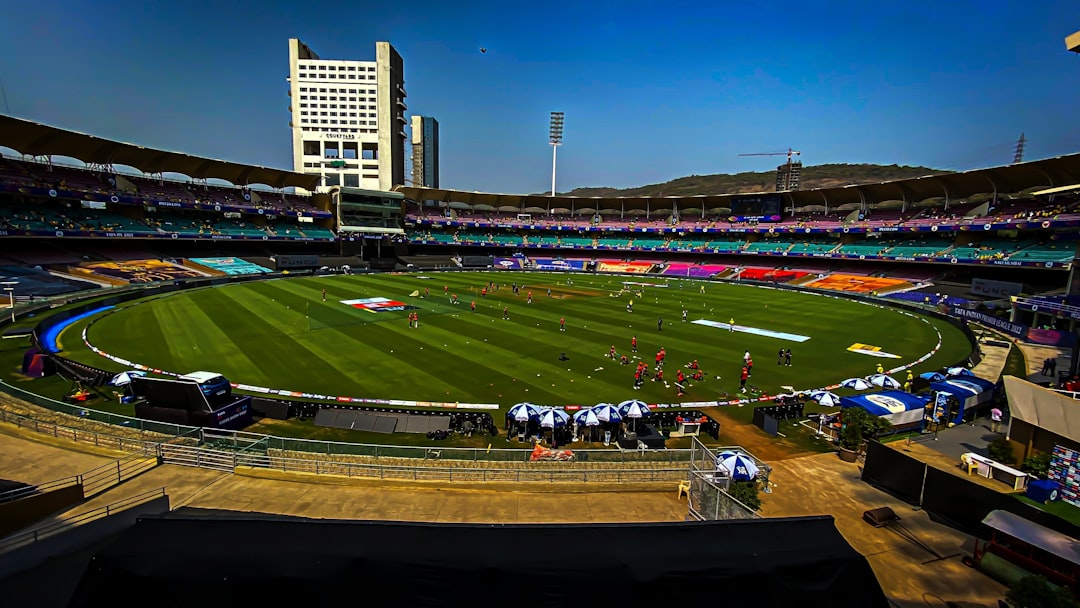
Cricket clubs and boards are under more pressure than ever to prove that every rupee, dollar, or pound spent on technology creates measurable value. Whether the project is a ticketing revamp, a fan app, a player analytics platform, or a stadium operations upgrade, the real risk is not just overspending — it is accumulating tech debt that quietly drags down performance for years. A disciplined project costing model helps leaders move from optimism and vendor promises to a defensible view of TCO, uncertainty, and ROI. That is especially relevant now, as many organizations still approve technology investments on incomplete assumptions and then struggle to explain the financial outcome later, a concern echoed in recent coverage of Info-Tech Research Group’s costing blueprint.
This guide adapts a five-step costing approach for cricket IT projects so boards, club executives, finance teams, and digital leaders can estimate technology investment more realistically. We will cover the cost categories that are often missed, the financial modelling techniques that make estimates more resilient, and the risk assessment habits that prevent scope creep from becoming a budget disaster. If you are also thinking about how digital infrastructure supports fan growth and matchday revenue, see our guide on guided digital experiences and how to turn operational data into better decision-making with business confidence dashboards.
For cricket organizations, the stakes are unusually high because technology projects touch multiple stakeholders at once: fans, players, sponsors, ticket buyers, broadcast partners, venue staff, and governance committees. That means a project can look successful on the surface while hiding expensive follow-on work in integrations, maintenance, compliance, training, and vendor change orders. A realistic costing framework makes those future obligations visible before approval, which is the difference between a sustainable platform and a legacy headache. In the sections below, we break down the five steps, provide a practical checklist, and show how to defend the numbers in a boardroom.
Why Cricket IT Projects Need a Different Costing Mindset
Cricket is a seasonal, event-driven business
Unlike always-on retail or SaaS companies, cricket organizations often experience intense peaks around tournaments, tours, ticket drops, and broadcast windows. That means infrastructure, support staffing, and third-party services can be dramatically under- or over-estimated if a club assumes “average” usage throughout the year. A ticketing platform that handles a domestic final may be overbuilt for weekly fixtures but still fail if the costing model ignores surge traffic, payment gateway fees, or additional matchday support. In practice, tech debt often starts when leaders buy for the quiet weeks and discover the real workload during peak events.
Multiple revenue lines, one technology stack
Cricket IT projects rarely serve a single function. A fan engagement app may also power merchandising, sponsor activations, content distribution, membership renewals, and venue navigation, which creates complexity in both cost allocation and ROI measurement. Boards need to understand not only direct software licensing but also the indirect costs of implementation services, API dependencies, analytics tagging, and governance oversight. For teams building digital ecosystems, it is worth studying how cross-channel data design patterns reduce duplicated instrumentation and make multi-use platforms easier to justify.
Why inaccurate costing creates tech debt
Tech debt is not only technical; it is financial and organizational. If a club underestimates maintenance, integrations, or user support, the project may launch successfully but consume more budget than planned, forcing constant workarounds, deferred upgrades, and ad hoc fixes. Those shortcuts create fragility, slower delivery, and lower confidence among stakeholders. In a cricket setting, that can mean delayed ticket releases, broken fan journeys, unreliable analytics, or a scorecard system that cannot adapt when the next tournament format changes.
Step 1: Define the Business Case Before You Price Anything
Start with the decision, not the tool
The first costing mistake is jumping directly to vendor quotes. Effective project costing begins with a clear decision statement: What business problem are we solving, and what outcome will prove success? For cricket boards, the answer may be increasing digital ticket conversion, reducing matchday queue times, improving player performance analysis, or consolidating fragmented data systems. Once the outcome is explicit, the rest of the cost model becomes easier to scope because you can separate must-have capabilities from nice-to-have features.
Identify the primary value driver
Every cricket IT project should have one primary value driver and a few secondary ones. A ticketing upgrade might primarily drive incremental matchday revenue, while also improving fraud prevention and CRM capture. An analytics platform might primarily improve selection decisions, while also reducing manual reporting time and strengthening sponsor storytelling. Treating all benefits as equal makes the business case fuzzy, so force the team to assign the main objective first and only then build the cost baseline around it.
Map stakeholders and decision rights
Clubs often get into trouble because the board, finance team, IT staff, and cricket operations lead all believe they own different parts of the project. That ambiguity leads to hidden costs when approval cycles stretch and scope changes come late. A practical costing framework should include a stakeholder map that identifies who signs off on requirements, who approves vendor selection, who owns ongoing operations, and who is accountable for benefits realization. If your organization wants to benchmark how external research can sharpen internal decision-making, our guide on investor-ready metrics is a useful reference point for translating audience data into governance language.
Step 2: Build a Full TCO View, Not a Purchase Price Estimate
Direct costs: the visible line items
Direct costs are the easiest to capture, but they are often only a fraction of the true budget. They include software licenses, cloud subscriptions, hardware, implementation services, data migration, and security tools. In cricket IT, direct costs may also include scoring systems, digital signage, fan app frameworks, seat inventory tools, and payment processing. The aim is not to be comprehensive for its own sake; the aim is to avoid approving a project on “headline cost” while ignoring the spend needed to make it work in live conditions.
Indirect costs: the overlooked budget drains
Indirect costs are where many sports organizations get surprised. These include internal staff time, process redesign, training, testing, vendor management, cyber review, legal review, and ongoing content operations. For example, a club launching a new membership portal may pay a vendor once, but it still needs staff to manage user support, seasonal campaign updates, taxonomy maintenance, and data quality checks. The same problem appears in analytics programs, where dashboards look cheap until you price the labor required to maintain data pipelines and ensure the outputs remain trusted. If your club is modernizing digital operations, the lessons in reporting stack integration can help you think more clearly about the hidden labor behind automation.
Lifecycle costs: the real TCO lens
TCO should be measured across the full lifecycle, not only the implementation year. That means estimating year-one deployment, year-two optimization, years three to five maintenance, periodic upgrades, and eventual replacement or exit costs. Clubs that only budget the launch year often create tech debt because they cannot afford to refresh the platform later, leaving them stuck on outdated features and brittle integrations. A good rule is to model at least three scenarios — conservative, expected, and stretch — so the board can see how cost changes if adoption is slower, vendor pricing rises, or tournament requirements expand.
Step 3: Break Costs Into Cricket-Specific Categories
Category 1: Fan-facing revenue technology
This category includes ticketing, membership, e-commerce, digital wallets, loyalty, and CRM-connected campaign tools. It is usually where clubs expect the most visible revenue uplift, but it is also where transaction fees, integration costs, and support overhead can be underestimated. A ticketing refresh, for instance, may require extra work to connect stadium access control, payment reconciliation, sponsor offers, and mobile entry. To understand how pricing discipline separates real value from hype, it helps to look at the logic behind investor-style discount evaluation: the sticker price is not the deal, the total outcome is.
Category 2: Performance and analytics systems
These projects include player analysis tools, video platforms, biomechanical data capture, scouting databases, and AI-assisted reporting. They often have strong strategic value because they improve selection, injury prevention, and tactical preparation, but they also require data governance and specialist support. Clubs frequently underestimate the cost of data standardization across age-group, academy, and first-team environments. If the same metrics mean different things across departments, the platform becomes a reporting layer rather than a decision engine, which reduces ROI and increases technical duplication.
Category 3: Operations, facilities, and security
Some of the most valuable cricket projects are not flashy to fans at all. Examples include access control, surveillance, matchday connectivity, incident management, and workforce scheduling. These systems can reduce operational friction, but only if you budget for installation, maintenance, accreditation, compliance, and resilience testing. For clubs planning physical infrastructure, the logic of safe firmware updates is a useful reminder that operational technology needs lifecycle maintenance, not just installation funding.
Category 4: Content, media, and fan engagement
Cricket organizations increasingly spend on mobile content, live blogs, multilingual coverage, social publishing, and personalized notifications. These tools seem lightweight, but costs can pile up quickly through editorial staffing, localization, analytics, and moderation. A club with regional-language ambitions should budget for translation workflows, editorial QA, and platform analytics, not just design and development. If your team is building around fast-moving fan expectations, the thinking in data-backed content calendars can help align publishing cadence with audience demand.
Category 5: Governance, compliance, and resilience
This category is often ignored until it becomes expensive. It includes cyber security, privacy reviews, audit logging, vendor risk checks, backup and recovery, and contractual oversight. In modern cricket IT, resilience is not optional because a poor ticketing launch or a data incident can create reputational damage far beyond the software budget. Organizations should also think about evidence and traceability, similar to how signed transaction evidence protects integrity in fast-moving financial systems. In sports, trust is an asset, and trust has a cost.
Step 4: Model Uncertainty Like a Board-Level Risk, Not a Spreadsheet Footnote
Use ranges, not single-point estimates
One of the strongest lessons from modern project costing is that exact numbers can be misleading. A more credible approach is to estimate ranges for major cost drivers such as vendor licensing, implementation effort, cloud usage, matchday support, and data migration. For example, if a membership platform could cost between 80,000 and 120,000 in implementation depending on integration complexity, put both numbers into the model and identify what drives the variance. This helps the board understand uncertainty instead of being surprised by it later.
Stress-test the assumptions
Cricket projects are exposed to changes in match schedules, tournament formats, broadcast obligations, sponsor requirements, and consumer behavior. A good financial model should stress-test what happens if attendance grows faster than expected, if a vendor raises pricing after year one, or if the club needs extra data security controls. This is where tools like digital twins and simulation offer a powerful analogy: before you build the real thing, test how it behaves under pressure. Clubs do not need hospital-grade simulation technology to do better costing, but they do need the mindset.
Build contingency into the approval process
Contingency should not be treated as waste. It is a deliberate budget buffer for uncertainty, and it is especially necessary when internal capability is still developing. Many clubs underestimate change management, data cleansing, and stakeholder adoption, which are not “extra” tasks but core parts of making the project succeed. A board that approves a project without a contingency line is often forcing the delivery team to absorb shocks through scope cuts, which is the fastest route to technical debt.
Step 5: Prove ROI With Benefits Realization, Not Hope
Choose measurable outcomes before launch
ROI only works if the benefits are defined in advance and tracked after go-live. For ticketing, that could mean conversion rate, basket size, repeat purchase rate, or reduction in abandoned checkouts. For analytics, it could mean fewer manual hours, faster reporting turnaround, lower injury recurrence, or better alignment between coach recommendations and selection decisions. The lesson is simple: if a benefit cannot be measured, it should not be used as the primary justification for approval.
Separate hard ROI from strategic value
Not all benefits will show up directly in cash flow. Some technology investments improve governance, fan experience, or competitive capability in ways that are strategically vital but harder to monetize. In a cricket club, that may mean more reliable live scores, better sponsor reporting, or improved multilingual access for diaspora audiences. The most credible business cases distinguish between hard returns — like incremental revenue or reduced cost — and strategic returns — like stronger brand trust or better decision quality. For organizations experimenting with richer engagement layers, our coverage of analytics-driven efficiency shows how cross-industry lessons can clarify value creation.
Track benefits after implementation
Many projects are approved with impressive ROI forecasts and then quietly forgotten after launch. That is a governance failure. Boards should require a 90-day, 180-day, and 12-month benefits review that compares actual results against the original model and explains variances. If the project is underperforming, leaders should be able to distinguish between bad assumptions, weak adoption, or a scope mismatch. For clubs that manage multiple digital assets, a resilience-minded approach similar to corporate resilience planning can keep the organization focused on long-term stability instead of short-term optics.
Practical Checklist: A Five-Step Project Costing Framework for Cricket Clubs
Checklist for finance and IT teams
Use this checklist before approving any cricket technology investment. First, define the business outcome and the decision it supports. Second, map all direct, indirect, and lifecycle costs across implementation, operations, and exit. Third, break costs into cricket-specific categories such as fan revenue, performance, operations, content, and governance. Fourth, build uncertainty ranges and contingency into the model so the board can see best-case, expected, and worst-case scenarios. Fifth, define the ROI metrics and the review calendar before the project starts, not after it launches.
Checklist for board members
Board members do not need to become technologists, but they do need to ask the right questions. What cost categories are missing? What assumptions are most fragile? What happens if adoption is lower than forecast? How will the club know the project is delivering value after the first season? If the answers are vague, the approval is premature. For a broader lesson on disciplined decision-making in competitive environments, see how transfer market economics reward teams that price risk accurately rather than chasing headlines.
Checklist for procurement teams
Procurement must look beyond license fees and push vendors to disclose implementation dependencies, support tiers, change request policies, renewal escalation clauses, and data ownership terms. This is where too many cricket organizations discover hidden tech debt only after signing, because the cheapest bid often has the most expensive operating model. Ask vendors for a five-year cost profile, not a first-year quote, and demand clarity on what is included versus billed separately. Good vendor due diligence also echoes the logic in explainability and audit trails: if the numbers cannot be traced, they cannot be trusted.
Detailed Comparison: Weak vs Strong Project Costing for Cricket IT
| Dimension | Weak Costing Approach | Strong Costing Approach | Why It Matters |
|---|---|---|---|
| Scope definition | Starts with vendor demo | Starts with business outcome | Prevents feature bloat and wasted spend |
| Budget basis | License fee only | Full TCO across 3-5 years | Reveals hidden operating costs |
| Risk handling | Single-point estimate | Ranges, contingency, scenario planning | Improves forecast credibility |
| ROI measurement | Generic “efficiency” claims | Specific metrics tied to baseline | Makes benefits auditable |
| Governance | IT owns everything | Shared ownership across finance, operations, and cricket leadership | Improves accountability and adoption |
| Vendor evaluation | Lowest quote wins | Best lifecycle value wins | Reduces long-term tech debt |
| Post-launch review | Rarely happens | 90/180/365-day benefits review | Shows whether ROI is real |
How Clubs Can Turn Costing Into a Competitive Advantage
Make costing part of strategic planning
Clubs that do project costing well tend to make better decisions everywhere else. They can compare technology options more intelligently, phase investments to match cash flow, and avoid being locked into brittle systems that cannot scale. Over time, this creates a governance culture where finance and digital teams speak the same language. That is especially valuable for cricket boards that need to balance elite performance with commercial growth, because the best investment is not always the biggest one — it is the one that can be sustained.
Use costing to prioritize the roadmap
A realistic cost model helps organizations prioritize the right projects in the right order. For example, a club may discover that improving data quality and integration yields a better ROI than launching a brand-new app. Or it may learn that a phased ticketing upgrade is safer than a full platform replacement before a major season. Clubs can think about sequencing in the same way sports strategists think about squad planning: not every need must be solved immediately, but every move should reduce future risk.
Build a culture that resists hidden debt
Tech debt grows when teams normalize temporary fixes. A strong costing culture makes it harder to hide the downstream consequences of shortcuts, because every workaround must be priced and approved. That does not mean every project becomes slower; it means each project becomes more honest. If your club wants to improve how it measures and communicates value, the practical reporting lessons in audience-to-investor metrics and cross-channel instrumentation can help standardize evidence across departments.
Board-Ready Questions to Ask Before Approving Any Cricket IT Investment
Questions about scope and costs
What is included in the quote, and what is excluded? What internal labor is required to deliver this project successfully? What are the likely five-year support, maintenance, and renewal costs? What external dependencies could change the budget? These questions force teams to move beyond optimistic initial estimates and toward a genuine TCO view.
Questions about uncertainty and risk
Which assumptions are most likely to change? What happens if fan adoption is lower than expected? What if the vendor changes pricing or the scope expands? What contingency has been built into the plan, and who can authorize its use? A thoughtful risk assessment should be visible in the cost model, not buried in a footnote.
Questions about value
How will success be measured in 90 days, one season, and three years? Which benefits are financial and which are strategic? What baseline are we comparing against? What would cause us to stop, pivot, or replace the system? This kind of discipline is what separates technology investment from technology spending.
Pro Tip: If a cricket project cannot clearly explain its TCO, risk range, and ROI baseline in one page, the model is probably not ready for board approval.
Frequently Overlooked Cost Categories in Cricket Technology
Training and adoption
Training is not a one-time launch activity. Staff turnover, seasonal hiring, and new tournament workflows mean training must be repeated and updated. If the system is complex enough that only one “super user” understands it, the club has already created a concentration risk. That risk often becomes tech debt when the super user leaves or is unavailable during a matchweek.
Data quality and governance
Data cleanup is frequently underfunded because it is invisible. Yet poor data quality can destroy the value of an analytics or ticketing platform faster than any technical issue. Clubs should budget for master data standards, naming conventions, deduplication, consent management, and governance ownership. In the long run, data quality spending is not overhead; it is value protection.
Exit and replacement costs
Many models assume a system lasts forever, which is unrealistic. Every technology eventually needs to be replaced, migrated, or retired, and those costs should be included from the beginning. Exit costs can include data export, contract termination, archival storage, re-training, and transition services. Ignoring them creates a false sense of affordability and makes future renewal decisions more painful.
FAQ: Cricket IT Project Costing, TCO, and ROI
1) What is the difference between project costing and TCO?
Project costing usually estimates the spend to deliver a project, while TCO includes the full lifecycle cost of owning, running, supporting, and eventually replacing the solution.
2) Why do cricket clubs underestimate technology costs?
They often focus on vendor quotes and ignore internal labor, integrations, training, data cleanup, support, renewal pricing, and risk buffers.
3) How should a club estimate ROI on analytics projects?
Define baseline metrics first, then link the project to measurable outcomes such as faster reporting, fewer manual hours, improved selection confidence, or reduced injury recurrence.
4) What cost categories should always be included?
Licensing, implementation, integration, data migration, training, support, maintenance, security, compliance, and exit costs should be included in most cricket IT models.
5) How much contingency should be added?
There is no universal number, but the more uncertain the scope, the more critical a contingency line becomes. Clubs should size it based on integration complexity, vendor maturity, and adoption risk.
6) What is the biggest mistake boards make?
Approving a project before asking how success will be measured and who will own benefits realization after launch.
Conclusion: The Best Defense Against Tech Debt Is Financial Clarity
Cricket organizations do not avoid tech debt by spending less; they avoid it by understanding what technology really costs and what value it truly delivers. A five-step costing framework helps clubs move from guesswork to governance, from vendor enthusiasm to financial discipline, and from one-off budgets to long-term planning. When you define the business case first, model a complete TCO, separate costs into cricket-specific categories, account for uncertainty, and prove ROI with measurable benefits, you dramatically improve the odds of a successful project. That is how clubs protect cash, reduce risk, and build digital platforms that can actually scale through the next season, the next tournament, and the next strategic cycle.
For further reading on adjacent operational and decision-making topics, explore how we think about coach accountability through simple data, why practical IT architecture matters for mid-market teams, and how evidence-led systems create trust under pressure.
Related Reading
- Instrument Once, Power Many Uses: Cross-Channel Data Design Patterns for Adobe Analytics Integrations - A practical guide to reducing duplicate tracking and improving data consistency.
- AI Factory for Mid‑Market IT: Practical Architecture to Run Models Without an Army of DevOps - Learn how to keep AI projects lean, governed, and scalable.
- Using Digital Twins and Simulation to Stress-Test Hospital Capacity Systems - A useful analogy for stress-testing cricket project assumptions under pressure.
- When Financial Platforms Move Fast: Ensuring Signed Transaction Evidence Survives Market Volatility - See how auditability protects trust in high-stakes environments.
- The Audit Trail Advantage: Why Explainability Boosts Trust and Conversion for AI Recommendations - Why traceable decision-making strengthens confidence in automated systems.