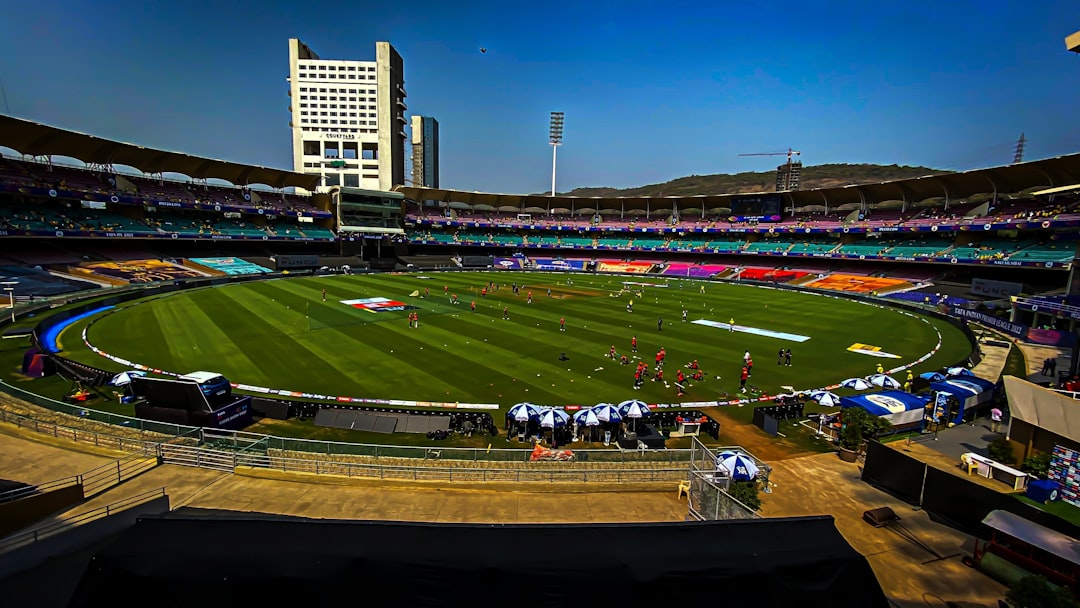
Why event tech is now a competitive advantage for domestic tournaments
Domestic tournaments no longer win on sport alone. They win on the quality of the event stack: the timing systems that keep results credible, the scoreboards that make the action legible, and the live results pipeline that keeps fans, broadcasters, and organizers aligned in real time. For organizers, the old mindset of treating event technology as a back-office utility is outdated. In practice, the right setup affects sponsor value, officiating confidence, athlete trust, and even whether the crowd feels emotionally connected to the competition.
That’s why vendor selection for event tech should be treated like a strategic procurement exercise, not a line-item purchase. In the same way that reliability beats scale in logistics, the best tournament tech vendors are often the ones who deliver consistent operations under pressure rather than flashy dashboards that break on race day. If you need a useful comparison lens, think in the same terms used by teams planning high-stakes logistics: redundancy, timing, communication, and exception handling matter more than brochure promises.
All Sports Events is a strong grounding example because its product mix is not just one tool. Its combination of timing systems, giant scoreboards, video displays, live results dissemination, website design, consulting, and logistics support reflects how a modern domestic tournament actually operates. This guide uses that product mix as a decision framework to help you evaluate vendors for cost, reliability, broadcast integration, and fan experience. If you are building a broader match-day and community experience, the same logic applies to content and fan storytelling, as seen in our guide on turning box score data into match narratives.
What domestic tournament organizers really need from event tech
1) Accurate results that can survive scrutiny
The first job of event tech is to make results undeniable. Timing systems have to withstand weather, crowd movement, device interference, and human error. In domestic tournaments, that matters even more because margins are often tiny: a hundredth of a second in athletics, a chip time versus gun time issue in road races, or a split-second offside review in a youth showcase. If your technology cannot create trust in the result, every other feature becomes secondary.
That trust is built through process, not just equipment. A good vendor should explain sensor placement, calibration routines, backup capture methods, and how they resolve anomalies. Organizers should ask whether the system supports manual override, how fast results are published, and whether the platform can reconcile provisional and official results without confusing participants. This is where a disciplined operations mindset, similar to backup and disaster recovery planning, becomes critical: the best result is not only accurate, but recoverable if part of the workflow fails.
2) Visibility for fans, officials, and broadcasters
Scoreboards and live results are not cosmetic. They are the interface between the event and the audience. A scoreboard that is hard to read, slow to update, or mismatched with the official results system creates confusion in the stands and mistrust on streams. For domestic tournaments with local sponsors and community attendance, that confusion can reduce the perceived professionalism of the whole event.
When evaluating vendors, ask how their scoreboard output syncs with results feeds, what latency to expect, and whether their display package supports multiple output formats. If your event is being streamed or clipped for social distribution, broadcast integration becomes non-negotiable. For a useful parallel, consider how creators use press conference content into engaging digital coverage: the event tech layer has to feed multiple downstream audiences at once, not just the people physically on site.
3) A fan experience that feels immediate and credible
Fans do not talk about your vendor stack, but they absolutely feel its impact. When live results load quickly, leaderboards update cleanly, and scoreboards match what people see on-screen, the event feels alive. When the flow breaks, fans start relying on rumor, screenshots, and unofficial chatter. That is exactly what domestic tournaments should avoid if they want to build repeat attendance and community loyalty.
Fan experience also extends beyond the venue. The best event tech increasingly includes web publishing, result portals, mobile-friendly views, and branded information hubs that let families and supporters follow the tournament remotely. This is not a luxury feature anymore. It is part of the core audience journey, much like how smart media operations use market analysis into content formats to turn data into accessible stories.
The All Sports Events product mix as a vendor-selection framework
Timing systems: the foundation layer
Timing systems should be evaluated first because they anchor the integrity of the event. Whether you are running a 5K, a triathlon, a multisport meet, or a domestic endurance festival, timing accuracy determines the credibility of the final standings. A vendor should be able to show how its timing hardware performs under different densities, event durations, and environmental conditions. You should also want evidence of how they handle chip mismatches, missed reads, and late arrivals.
Cost matters here, but the cheapest system can become the most expensive if it causes reruns, disputes, or manual correction work. Ask for total cost of ownership, not just rental price. That means hardware, operator labor, setup time, support staffing, replacement policy, and post-event data processing. In the same way that buyers of big-ticket event purchases look beyond sticker price, tournament organizers need to think in lifecycle terms.
Scoreboards and video displays: the audience-facing layer
Scoreboards are the most visible proof that your event is professionally run. In a domestic tournament, they need to be readable from the right distance, visible in variable light, and flexible enough to handle sport-specific formats. A football match, athletics final, and multisport stage race each require different display logic. The vendor should offer templates or custom modules that can adapt quickly without creating operator complexity.
Video displays, when available, can do more than show scores. They can reinforce sponsor visibility, display athlete introductions, surface safety notices, and turn downtime into atmosphere. But they must be managed carefully. Overloaded screens become cluttered, and poor content hierarchy weakens the event. A good creative approach is similar to how marketers use announcement graphics without overpromising: clarity, not excess, wins attention.
Live results dissemination: the digital extension of the venue
Live results are where modern event tech proves its real value. Results pages need to publish quickly, stay available under load, and present a clean difference between unofficial, provisional, and final states. If the system includes API access or easy web embedding, that creates a significant advantage for broadcasters, social teams, and affiliate partners. For domestic tournaments with regionally distributed audiences, this also improves language accessibility and fan reach.
Think of live results as the data product of the tournament. The more usable it is, the more value the event creates beyond the venue perimeter. This is similar to how a resilient data pipeline improves operational decisions in other industries, as explained in redundant market data feed design. For organizers, real-time publication should be fast, resilient, and auditable.
Cost, reliability, broadcast and fan experience: the four-part buying model
Cost: think in total event economics, not invoice size
Cost is not simply what you pay a vendor. It includes setup labor, training, transport, on-site support, equipment redundancy, software licensing, and the cost of correcting errors after the event. A low-cost vendor can look attractive on paper but become expensive if they require your team to provide extra support or if their system creates manual reconciliation work. Organizers should build a side-by-side comparison that includes all of these variables before making a selection.
A practical approach is to categorize costs into fixed, variable, and risk-adjusted expenses. Fixed costs are the baseline package, variable costs scale with event size, and risk-adjusted costs reflect what happens if the vendor fails in bad weather, during a power issue, or when results volume spikes. This is the same logic used in pricing and contract templates for technical services: the real number is the one that reflects operational complexity, not the brochure.
Reliability: the non-negotiable center of vendor choice
If event tech fails, everything else gets harder. Officials lose confidence, athletes get frustrated, broadcasters lose usable content, and spectators stop trusting the display. Reliability should therefore be scored higher than design polish. Ask vendors for uptime history, backup procedures, support response times, and what happens if internet connectivity drops at the venue.
Reliability also means having a plan for weather, power, and device failure. A tournament venue is not a controlled office. It is a messy, high-activity environment, and your tech needs to be built accordingly. The best vendors behave like operations teams, not product demos. That is why a framework from predictive maintenance is surprisingly useful here: the best failure is the one you avoid by monitoring risk early.
Broadcast integration: hidden value for sponsors and audiences
Broadcast integration matters even for domestic tournaments that do not look “televised” in the traditional sense. Live streams, social clips, club media, and local sports channels all need clean, synchronized data. If scoreboard outputs and timing feeds can flow into graphics packages, lower thirds, or embedded web widgets, your event becomes far more sponsor-friendly and media-ready. That can materially improve revenue opportunities and community visibility.
Ask vendors whether they support standard output formats, direct API exports, or integration with broadcast graphics systems. Even a simple live results feed can multiply content value if it is easy to reuse across platforms. The same logic applies to analytics reports that drive action: data only matters when it can be consumed by the right audience in the right format.
Fan experience: speed, clarity, and emotional engagement
Fan experience is often treated as the final column in a procurement spreadsheet, but it should be part of the core scoring model. Domestic tournaments compete not just with other events but with at-home digital expectations. Fans want immediate updates, clean interfaces, and low-friction access to schedules, standings, and athlete information. If the technology makes them work too hard, they disengage.
Consider including questions about mobile responsiveness, branded portals, multilingual support, and whether fans can view results by category, division, or heat. For organizers building a broader community-first experience, ideas from building superfans through community design translate well: people return when they feel seen, informed, and part of something bigger than a scoreline.
A practical vendor scorecard for domestic tournaments
Below is a procurement matrix you can use to compare event tech vendors. The best outcome is not the vendor with the highest score in one category; it is the one that fits your event profile and risk tolerance. Use this table during shortlisting, and insist on live demos with your actual event format rather than a generic sales presentation.
| Evaluation Area | What to Ask | Strong Vendor Signal | Risk Signal | Weight for Small Domestic Event |
|---|---|---|---|---|
| Timing accuracy | How do you verify reads and resolve misses? | Clear calibration, backup capture, post-race audit trail | Manual-only fixes, vague accuracy claims | High |
| Scoreboard visibility | Is it readable across venue distances and light conditions? | Readable in sun/night, sport-specific templates | Cramped layouts, hard-to-read colors | High |
| Live results speed | How fast do results publish after official confirmation? | Near real-time updates with provisional/final states | Long delays, frequent refresh errors | High |
| Broadcast integration | Can your data feed into graphics or stream overlays? | API, export options, compatible output formats | No integration or manual re-entry | Medium-High |
| Support and logistics | What on-site and remote support is included? | Named support lead, backup plan, setup checklist | Generic help desk, unclear escalation path | High |
| Total cost of ownership | What happens after installation and on event day? | Transparent labor, licensing, transport, and contingency pricing | Hidden fees, add-ons, overtime surprises | High |
| Fan experience | How do attendees access results and schedules? | Mobile-first pages, clear categories, easy sharing | Desktop-only, cluttered UX, broken links | Medium |
Use weights to match your priority. A regional road race may put timing and live results at the top, while a youth team competition may care more about scoreboard visibility and broadcast shareability. The mistake organizers often make is asking for the “best” system instead of the best system for a specific event format. That distinction is critical, much like how local marketing plans must match the actual market rather than a generic template.
How to compare vendors without getting trapped by demos
Demand a real-world scenario test
Sales demos can hide more than they reveal. Vendors usually stage the cleanest version of their workflow, which means you never see how they handle slow networks, simultaneous heats, last-minute category changes, or a disputed read. Organizers should require scenario testing with event-specific complications. If you are running a domestic tournament with multiple divisions, ask the vendor to simulate category corrections and late score updates live.
It’s also useful to request a failure demonstration. Ask what happens if one timing lane goes down, if a scoreboard output is delayed, or if the results portal is temporarily unavailable. In operational terms, this is the equivalent of building a shipping exception playbook. You do not just want success paths; you want graceful recovery paths.
Check references from events like yours
One of the most reliable signals in vendor selection is whether the provider has delivered for events with similar scale, sport type, and audience expectations. A vendor that excels at mass-participation road races may not automatically be ideal for a multi-venue tournament with scoreboards, stream overlays, and rapid result turnover. Ask for references from organizers who have run events in your weather conditions, venue type, and volunteer staffing environment.
You should also ask references about communication quality, not just technical performance. Did the vendor explain issues clearly? Were they responsive during pressure moments? Did they help the event staff make decisions instead of just reporting problems? This is the same standard used in trust-building local reporting: context, responsiveness, and clarity matter as much as the headline outcome.
Inspect the data handoff, not just the hardware
Many organizers focus on the device and overlook the data flow. But live results are only valuable if the outputs are easy to publish, archive, and reuse. Ask whether results can be exported in CSV, pushed through an API, or embedded into your website without manual cleanup. Also ask how the vendor names athletes, divisions, heats, and team affiliations, because poor naming conventions create downstream errors in media, rankings, and fan pages.
A well-designed handoff should let your communications team move quickly without technical bottlenecks. This is similar to how structured insight delivery helps teams publish faster; however, your event data must be clean enough to feed multiple channels. The more automatic the handoff, the more your staff can focus on live operations and fan service.
Operational checklist: what to lock before signing a contract
Define your venue realities
Before you sign anything, document the venue environment in detail. Identify power availability, internet reliability, sightlines for scoreboards, access routes for equipment, and any weather exposure points. If the venue has weak connectivity, your vendor should explain how they handle offline mode and delayed sync. If the display is outdoors, ask about brightness, glare, and mounting safety. These details decide whether the technology is truly fit for purpose.
You should also consider event timing. Early morning setups, multi-day schedules, and back-to-back competitions create different pressure patterns. That is why some organizers benefit from thinking like those managing complex movement logistics: what looks simple on a timeline can become difficult if one part slips. A vendor that understands venue constraints will design around them instead of fighting them.
Build redundancy into the contract
Redundancy should not be optional. At minimum, the contract should specify backup power expectations, replacement equipment terms, data backup frequency, and escalation contacts. If live results are important to sponsors or broadcasters, you may also want a separate backup internet path or a secondary publishing method. The cheaper the vendor, the more carefully you should verify what happens when things go wrong.
Ask for a clear service-level agreement, even if the vendor is small. The SLA should define support hours, response times, replacement commitments, and refund or remediation terms if critical systems fail. This is especially important when your tournament has reputational stakes. A well-written clause is a lot cheaper than a public explanation after a failed result release.
Assign ownership inside your team
Event tech works best when someone on the organizer side owns the workflow. That person should coordinate the vendor, official staff, volunteers, announcers, and media team. If nobody owns the results pipeline, confusion spreads fast. One person should know where the backup files are, how to confirm official status, and who approves corrections.
This internal ownership model is similar to multi-agent workflow design: the system scales better when each actor has a clear role. For domestic tournaments, that means assigning accountability before event day, not during the first incident.
When to choose a full-service vendor versus a modular stack
Choose a full-service vendor when simplicity matters most
Some events benefit from a vendor that provides timing systems, scoreboards, live results, consulting, and logistics support in one package. This is often the right choice for smaller organizing teams, first-time domestic tournaments, or events where staff capacity is limited. A full-service vendor reduces integration burden and shortens the learning curve. It can also create more consistency in branding and support.
That said, full-service does not automatically mean full value. Ask whether the vendor is truly strong in each layer or merely bundling services together. The best all-in-one providers act like operating partners, not just equipment renters. Their value appears in fewer mistakes, less coordination overhead, and smoother event-day execution.
Choose a modular stack when you need flexibility or scale
A modular approach can be better when your tournament already has in-house expertise or when different parts of the event have different complexity levels. You may want one provider for timing, another for broadcasting, and an internal team managing website and content. This can improve specialization and sometimes reduce cost, but only if your team can manage coordination cleanly.
Modular setups work best when systems integrate smoothly. If your live results platform, scoreboard software, and broadcast workflow do not talk to each other, the modular advantage disappears. Think carefully before splitting vendors. The decision should reflect your operational maturity, not just your desire to save money.
Hybrid models often deliver the best balance
In practice, the best structure for many domestic tournaments is a hybrid model: a lead vendor handles timing and live results, while the organizer or a separate media partner manages score overlays, content formatting, and fan communications. This gives you central control over the data source while still allowing flexibility in presentation. It is especially effective when you want community-first fan engagement without sacrificing technical credibility.
Hybrid models work because they respect the difference between core accuracy and downstream storytelling. Core accuracy belongs to a trusted operational partner. Storytelling can be distributed across broadcasters, social teams, and local-language editors. That balance is a major reason the event feels both professional and inclusive.
Pro tips for smarter procurement and smoother tournament delivery
Pro Tip: Run a “stress minute” during setup. Simulate a timing error, a scoreboard refresh delay, and a live-results correction before doors open. If the team can recover in under 60 seconds, your workflow is probably robust enough for competition.
Pro Tip: Require a live results audit trail. If a protest or dispute emerges, the ability to show when a result changed and who approved it can save hours of debate and protect trust.
Pro Tip: Treat broadcast integration as a revenue feature, not a media extra. Clean data feeds improve sponsor value, replay usability, and social content production.
Common mistakes organizers make when buying event tech
Buying for the showcase, not the workload
One of the biggest mistakes is selecting a vendor because the demo looked impressive. Shiny scoreboards, polished presentations, and fancy dashboards can distract from missing fundamentals. If the system breaks under noise, heat, poor connectivity, or high update frequency, the presentation value disappears. Domestic tournaments need equipment that survives reality, not just the pitch deck.
Another common issue is underestimating staff training. Even excellent systems fail if operators are unfamiliar with the interface. Vendors should offer a realistic onboarding plan and ideally a rehearsal session. If they do not, you may end up paying for a fast setup but slow execution.
Ignoring the downstream content lifecycle
Results are not only for the event itself. They become archive assets, media references, sponsor proof points, and future-seeding information. If the vendor makes exporting or republishing difficult, your team will spend unnecessary time reformatting data later. That weakens the value of the event after the final whistle or finish line.
For a better content lifecycle, think like a newsroom that wants reusable structures. Guides like local newsroom consolidation analysis and coverage playbooks for volatile situations show why systems matter beyond the immediate moment. Your event data should be just as reusable.
Conclusion: the best vendor is the one that protects trust and amplifies the event
For domestic tournaments, event tech is no longer an invisible support function. It is the operating backbone that determines whether your competition feels credible, professional, and fan-friendly. A winning vendor package should combine accurate timing systems, visible and flexible scoreboards, fast live results, and strong broadcast integration. But just as important, it should fit your event’s scale, venue conditions, and staffing reality.
Use the All Sports Events product mix as your decision framework: timing systems for integrity, scoreboards for clarity, live results for digital reach, consulting for implementation, and logistics support for execution. Then rank vendors by total cost of ownership, reliability under stress, integration capability, and audience experience. If you do that well, you will not just buy event tech. You will buy confidence.
For organizers who want a broader operational mindset, the same principles appear in other disciplines, from trade-event buying strategies to prioritizing the right purchase under budget pressure. The lesson is consistent: smart procurement rewards clarity, discipline, and a refusal to confuse glamour with resilience.
Related Reading
- Your Council Submission Toolkit: Where to Find Market Data, Industry Evidence, and Public Reports - A practical guide to gathering credible evidence before making a procurement or policy case.
- Designing Analytics Reports That Drive Action: Storytelling Templates for Technical Teams - Learn how to turn raw data into decision-ready reporting for stakeholders.
- Why Reliability Beats Scale Right Now: Practical Moves for Fleet and Logistics Managers - A useful lens for evaluating dependable operations over flashy growth.
- Backup, Recovery, and Disaster Recovery Strategies for Open Source Cloud Deployments - Strong redundancy thinking that maps well to event-day contingency planning.
- Small team, many agents: building multi-agent workflows to scale operations without hiring headcount - Helpful for assigning roles and responsibilities across a lean event crew.
FAQ
What should be the top priority when choosing event tech for domestic tournaments?
Accuracy and reliability should come first. If timing or result publication is untrustworthy, the rest of the experience suffers. After that, evaluate support quality, integration options, and how easily the system fits your venue and staffing model.
Is it worth paying more for broadcast integration?
Usually yes, if your event is streamed, clipped, or sponsor-supported. Broadcast integration makes results and scoreboard data reusable across media channels, which increases the commercial and audience value of the tournament. It can also reduce manual work for your media team.
How do I compare two vendors that look similar on paper?
Use a scenario-based test. Compare how each vendor handles real complications such as internet drops, late category changes, or disputed reads. Also check references from events similar to yours, not just general testimonials.
Should smaller domestic tournaments choose a full-service vendor?
Often yes, especially if your team has limited technical capacity. A full-service vendor can reduce coordination overhead and simplify execution. But only choose that route if the vendor is strong across the services you actually need.
What hidden costs should organizers watch for?
Watch for setup labor, transport, overtime, software licensing, training, support escalation, and post-event data cleanup. The advertised price is rarely the full price, especially when the event has multiple venues or a complex results workflow.
How can organizers protect fans from confusing live updates?
Use a clear results hierarchy: unofficial, provisional, and final. Make sure the scoreboard, results site, and announcer script all match. A clean, consistent workflow reduces rumors and improves trust in the event.