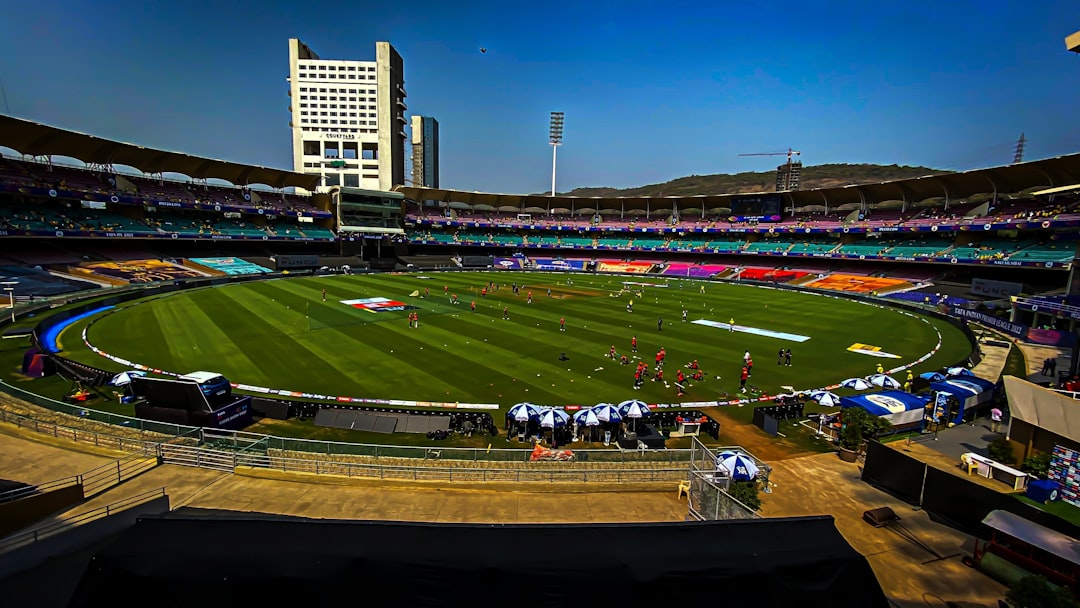
Cricket festivals are no longer just about a match, a stage, and a few food stalls. The modern fan wants motion, measurable participation, family-friendly programming, and a reason to show up early and stay late. That is exactly why the best ideas from road races, fun runs, and timing-driven community sports can be repurposed into a powerful cricket activation model. When you combine race-style check-in, live leaderboards, route logistics, and instant results with cricket’s matchday energy, you create a hybrid event that feels part festival, part competition, and part neighborhood celebration.
This is where cross-sport thinking becomes strategic, not gimmicky. Running-event operators have spent years refining event logistics, participant flow, timing systems, and live result distribution, the same kind of infrastructure described by companies like All Sports Events in their technical event services. Cricket organizers can borrow that playbook to build community events that are easier to manage and more fun to attend. If you are planning a cricket festival, a 5k + family cricket day, or a club community activation, the opportunity is to treat the event like a race-meets-fan-zone experience rather than a standard matchday program. For a broader view of how fan experiences are being reimagined, see our guide on loyalty tech and repeat engagement and how live coverage checklists can shape event-day reporting.
Why Running-Event Tech Translates So Well to Cricket Festivals
Timing tech solves the biggest community-event problem: flow
The hardest part of any community event is not the headline activity; it is moving people smoothly from arrival to participation to the main attraction. Running-event platforms have already solved this by using wave starts, bib-based check-in, timing mats, and result dashboards that reduce confusion and keep the crowd engaged. In cricket activations, those same tools can be adapted for warm-up challenges, family relay races, boundary sprint contests, and skills stations that reward participation. The result is less dead time, fewer bottlenecks, and a stronger sense that every attendee is part of something structured and meaningful.
Think about a neighborhood cricket day that begins with a 1K family fun run, then transitions into throwdown challenges and a short-format tape-ball exhibition. Without timing and routing discipline, the event can feel scattered. With race tech, it becomes a sequenced experience where every family knows when to line up, where to go, and how their score is captured. That same logic appears in event-heavy playbooks like last-minute event deal optimization, where logistics and timing decide whether attendance spikes or fades.
Leaderboards turn passive spectators into active participants
Cricket crowds love rankings: top run-scorers, best bowling spells, strike-rate charts, and player of the match debates. Running-event leaderboards extend that instinct to everyone in the venue. A family that completes the 5k can be ranked by category, a kids’ agility drill can be posted instantly, and a “most wickets in the target zone” challenge can update in real time on a screen near the batting cage. This transforms the event from a single-match experience into a multi-layer participation ecosystem.
That leaderboard layer also makes the event more social. Families compare finish times, neighborhoods compete for bragging rights, and local sponsors get repeated exposure through screens, SMS, and printed boards. If you want to understand how public-facing engagement systems can change repeat behavior, our piece on interactive program design offers a useful lens: people stay longer when they can see themselves reflected in the experience. Cricket festivals should do the same.
Live result dissemination gives the event a broadcast feel
One of the strongest capabilities in road-race tech is the ability to push live results to the web, event apps, and onsite screens. This is a game-changer for cricket festivals because it gives even small community activations a “live broadcast” feel without requiring a full TV production crew. If a 5k race feeds the same activation, participants can see their time appear immediately on a website, while cricket challenge scores roll up onto a shared scoreboard. The event suddenly feels professionally managed, which increases trust and sharing.
That trust is critical in a sports landscape flooded with rumor, low-quality commentary, and fragmented social updates. Community events work best when the audience can verify information instantly, whether that is a schedule change, a contest result, or the start time of a cricket clinic. For media teams, the lesson aligns with our analysis of creator-led video interviews and reliable content scheduling: consistency creates credibility.
The Hybrid Activation Blueprint: From 5K Start Line to Cricket Pitch
Build the event around a simple participant journey
A strong hybrid activation starts with a journey map. First, participants register online for one of several tracks: timed 5k, untimed family walk, kids’ mini-run, or cricket-only festival access. Then they arrive at a clear check-in zone, collect bibs or wristbands, and receive a printed or digital schedule with time slots for the run, batting cage, autograph session, and final cricket showcase. This reduces uncertainty and helps attendees feel like they are entering a curated experience rather than a loose gathering.
It is worth investing in event communication the same way brands invest in product discovery or audience trust. Our walkthrough on live coverage workflows shows how much value comes from structured updates, and the same applies here. A simple text alert saying “Kids’ relay starts in 10 minutes” or “Scoreboard update: Team Red leads by 12” can dramatically improve participation and reduce crowd fatigue. When people understand the sequence, they participate more freely.
Use route design and venue zoning as experience design
Running events are built on route discipline: start line, marshal points, water stations, finish chute, recovery zone. Cricket festivals should borrow the same spatial language. Instead of leaving the venue to chance, create zones for warm-up sprints, family cricket toss games, player Q&A, merchandise pickup, hydration, and a shaded rest area. The route between zones should be obvious, with signage that works for first-time visitors and multilingual audiences alike.
Venue zoning also helps media teams capture better stories. A clearly designed event gives you natural backdrops for interviews, walk-up reactions, and sponsor integrations. For a useful parallel, see how community-centered event assets can make belonging visible, not implied. That principle is essential in cricket festivals serving families, grassroots clubs, and diaspora communities.
Make registration the first fan-engagement touchpoint
In race events, registration is not simply admin; it is the first moment of commitment. Community cricket activations can do the same by letting participants choose their role early: runner, walker, junior cricketer, volunteer, scorer, or fan ambassador. This creates a cleaner data set for scheduling and allows organizers to tailor emails, reminders, and on-site experiences. It also opens the door to follow-up community building after the event ends.
For organizers, that means registration data becomes a planning tool, not just a form. You can forecast how many children need a mini-pitch, how many families need shade, or how many bibs and medals to print. This is the same logic behind ROI measurement: the better the data upfront, the less waste downstream. Community events are more sustainable when they are designed around actual participation patterns.
What Cricket Can Borrow from Road Races: A Practical Tech Comparison
Below is a simple comparison of race-event capabilities and their best cricket-festival equivalents. The goal is not to copy and paste; it is to translate proven operations into a fan-first cricket model that feels polished, inclusive, and measurable.
| Road Race Feature | Original Purpose | Cricket Festival Use Case | Fan Experience Benefit |
|---|---|---|---|
| Chip timing / bib tags | Accurate finish times | Timed skill challenges, relay laps, family run results | Instant personal achievement and bragging rights |
| Live leaderboard | Rank runners by pace or category | Batting cage scores, accuracy throws, school-vs-school contests | Higher engagement across the whole venue |
| Wave starts | Reduce congestion | Staggered family entry, junior clinics, sponsor activations | Smoother crowd flow and less waiting |
| Finish chute / recovery zone | Safe, controlled finish area | Post-run hydration, cool-down, autograph and photo zone | Better comfort and stronger memory capture |
| Live result website | Instant public result access | Cricket contest scores, schedule updates, player Q&A timings | Trustworthy updates and shareable content |
Notice that every row above improves both operations and storytelling. That dual effect is why these tools matter so much in community events. If you want more ideas on how tech shapes audience behavior, our pieces on real-time analytics and trust-first rollouts offer helpful frameworks for making event tech feel dependable rather than flashy.
Creative Cross-Sport Activations That Actually Work
5K + Family Cricket Day
This is the most straightforward hybrid concept: start with a timed or untimed community run, then shift into cricket activations for all ages. The run creates early footfall, while the cricket day keeps the crowd on site for longer. Parents who might not attend a pure cricket clinic often do show up for a family-friendly 5k, especially when the finish area leads directly into food, music, and local cricket activities. It is a smart participation funnel because the running segment broadens the audience before cricket takes center stage.
To keep the experience balanced, the run should be scaled to the cricket event rather than the other way around. A 5k may be too demanding for some families, so provide a short walk option and a stroller-friendly route. That inclusion strategy echoes the thinking behind community dojo hubs, where the point is not performance alone but repeated neighborhood participation. The more entry points you create, the more sustainable the fan base becomes.
Leaderboard Cricket Challenges
Use event-tech leaderboards to run mini competitions across the day: fastest throw to target, most accurate toss, fastest sprint between wickets, or most points in a station circuit. These contests can be scored live and projected on a scoreboard near the main pitch. Children love the immediate feedback loop, and adults appreciate the low-pressure, high-fun atmosphere. For sponsors, each leaderboard refresh is a fresh visibility opportunity.
There is a media upside too. Short-form clips of leaderboard flips are highly shareable, especially when paired with crowd reactions. This is similar to how quotable content works: the moment must be simple, visible, and emotional. A cricket festival with live rankings gives your content team a steady stream of micro-stories throughout the day.
Relay Pairs and Cross-Generational Teams
One of the smartest ways to use race tech is to create relay-style cricket participation. A child might run a short lap, tag a parent, and then the parent completes a batting or fielding challenge. Another version is a neighborhood relay in which each participant completes a different station: sprint, catch, throw, and batting target. Because each segment can be timed or scored separately, the leaderboard naturally rewards teamwork, not just speed or power.
This model is especially effective for cricket festivals aimed at diaspora communities where grandparents, parents, and kids often attend together. It gives each generation a role without overcomplicating the event. The social glue matters as much as the score, much like the identity-building logic explained in matchday ritual design. Shared rituals are what make an event feel like “ours.”
Event Logistics: The Hidden Engine Behind Great Community Events
Traffic, parking, and arrival windows matter more than most organizers admit
Road races are brutally honest about logistics because a poor arrival plan ruins the experience before the race even starts. Cricket festivals should adopt the same discipline. Publish recommended arrival windows, parking guidance, drop-off rules, and pedestrian routes well in advance. Use signage and volunteer marshals to direct families toward check-in, especially if the event is split between a run route and a cricket venue.
Small touches matter here. If the parking lot is far from the venue, build in a family-friendly walk-up lane with shade and water. If the site has multiple entrances, assign them by ticket type or activity track. These are not glamorous details, but they are the difference between a relaxed crowd and a frustrated one. For a logistics-heavy perspective, see our breakdown of dynamic parking pricing and fee transparency, which both reinforce the same principle: clarity drives trust.
Hydration, shade, and recovery should be designed, not improvised
Any event that includes running, walking, or extended outdoor fan engagement needs proper recovery infrastructure. That means water points, shaded seating, first aid, cooling stations, and easy access for older fans or participants with mobility needs. In cricket festivals, this becomes even more important because match viewing can stretch across multiple hours. A family that feels physically comfortable is far more likely to stay for the second innings, the prize ceremony, and the sponsor experiences.
This is where thoughtful venue planning intersects with inclusivity. If you need inspiration on practical comfort planning, our guides on heat management and air quality readiness show how environmental design affects participation and retention. Sports events are no different: comfort is an engagement strategy.
Volunteer roles should be mapped like race marshals, not generic helpers
Great running events succeed because every marshal knows the route, the timing, and the emergency plan. Cricket activations should professionalize volunteer roles in exactly the same way. Assign specific people to registration, route guidance, scoreboard updates, family support, media escort, sponsor activation, and child-safe supervision. When volunteers are trained like event staff instead of casual helpers, the event becomes calmer and safer.
A volunteer map also improves storytelling. Staff members can direct photographers to the busiest zones and alert the social team when a leaderboard moment is about to happen. That coordination is similar to the operational thinking behind client proofing workflows and structured participation: the event becomes easier to document because the process itself is organized.
Scoreboard Tech as the Heart of the Hybrid Experience
Turn the scoreboard into a community bulletin
Traditional cricket scoreboards track runs, wickets, overs, and required rates. A hybrid community activation can expand that logic by adding event milestones: total 5k finishers, number of junior clinic participants, highest sprint challenge score, and sponsor-supported community goals. The scoreboard becomes both the match center and the community bulletin board. That dual function strengthens the sense that the event is bigger than one game.
For local media and social teams, this creates a built-in headline engine. “400 community runners joined the cricket festival before the first ball” is more compelling than “matchday starts at 1 p.m.” It also gives organizers a simple way to communicate momentum in real time. If you are building around live updates, our guide on match-day coverage is a good operational template.
Use screen graphics to show progression, not just outcomes
A leaderboard should not only announce winners at the end. It should show progression throughout the day: registration counts, station completions, fastest improving age group, or neighborhood participation totals. This keeps the event emotionally alive between main attractions. In cricket festivals, progression graphics can be projected on a giant screen, pushed to a microsite, or repackaged into social content every 20 minutes.
That approach is especially useful when the audience includes casual attendees who may not follow every cricket contest. Progression gives them an easy way to understand the event without needing deep cricket knowledge. It is the same principle used in tracking-data storytelling, where metrics become narrative. Metrics are more engaging when they move.
Make scoreboards multilingual and family-readable
If your community event serves diverse local-language audiences, scoreboard design should include multilingual labels, large numerals, and clear color coding. This matters because many cricket festivals attract multigenerational households with different reading comfort levels. A good scoreboard should be instantly legible from a distance and simple enough for a child to understand. When the data is readable, the audience participates more confidently.
This multilingual approach also supports trust and inclusion. Community events are strongest when no one feels like an outsider, and that begins with clear information design. For a parallel in content strategy, see how regional preservation values local language and cultural fidelity. Cricket festivals should do the same with their signage, screens, and announcements.
Sponsorship, Merch, and Monetization Without Killing the Community Feel
Offer sponsors measurable moments, not just logo placement
Brands sponsor community events when they can see clear, repeated exposure and positive association. A hybrid cricket activation is ideal because sponsor value can be tied to timing zones, finish-line moments, hydration stations, leaderboard screens, and family activity areas. Instead of a static banner, a sponsor can own the “fastest family relay” or the “community finish gate,” with results visible on-screen and online. That is far more valuable than passive branding.
The smartest sponsors will appreciate the data too. A timing system can show participant count, completion rate, and engagement time, which helps justify spend and renewal. That thinking aligns with niche sponsorship strategy, where value is created through relevance, not volume. For cricket festivals, the winner is the sponsor that helps make the event smoother and more memorable.
Merch should reward participation, not just fandom
Hybrid activations open up a new merch model: finishers’ tees, challenge medals, family cricket caps, bib-number keepsakes, and local-club collaboration items. When merchandise recognizes participation, it feels earned rather than merely purchased. That emotional shift increases conversion and makes the event more collectible. It also gives organizers an additional revenue stream without turning the venue into a hard-sell environment.
For broader merchandise strategy, consider the audience psychology behind sports memorabilia-inspired products and culturally resonant gift collections. The strongest event merch tells a story about belonging, not just branding. That is especially true in cricket, where objects become memory anchors.
Ticketing and access can be tiered without being exclusionary
Community events work best when the base layer stays affordable, but there is room for premium access around the edges. A free family entry tier can coexist with paid upgrades such as timed-race registration, premium seating, player meet-and-greet access, or bundled merchandise. This helps organizers manage costs while keeping the event accessible. The key is to make the value ladder transparent.
That transparency mirrors the reasoning found in trust-based appraisal services and deal watchlists: people convert when they understand what they are getting. In cricket festivals, a transparent access model makes participation feel inclusive rather than segmented.
Media Coverage, Community Storytelling, and Post-Event Momentum
Capture the event like a live show, not a static report
A hybrid cricket activation should be covered like a live broadcast with multiple story layers: first arrivals, 5k finishers, family moments, scoreboard flips, and the cricket main event. A dedicated content team can produce short updates, reels, photo galleries, and scoreboard-driven graphics across the day. This keeps the event visible to people who could not attend while reinforcing the sense that something big is happening onsite.
For small publishers and community media teams, the challenge is not only capturing content but monetizing it responsibly. Our live coverage checklist shows how structure can protect quality and sponsor value. The same principles apply to cricket festivals: plan your shots, plan your updates, and plan your turnaround windows.
Use post-event reporting to build the next one
The event should not end when the final wicket falls. Publish a recap with participation numbers, best-performing stations, top family results, sponsor highlights, and community quotes. If you collected race and challenge data, use it to show growth versus last year, even if that growth is simply better retention or more family involvement. Nothing encourages repeat participation like proof that the event is getting better.
This is where analytics and storytelling merge. A recap that shows the top five neighborhoods, average finish times, and most active age groups can help you plan future zones, sponsor packages, and volunteer staffing. The same “read the hidden trends” mindset appears in workout-log analysis: progress becomes visible when you measure the right things.
Make the event a community calendar fixture
If you want hybrid activations to matter, they must become seasonal traditions, not one-off experiments. That means consistent date windows, recurring routes, stable sponsor categories, and repeatable scoreboard formats. People are more likely to return when the event becomes predictable in the best possible way. Families can plan around it, local clubs can recruit for it, and media teams can cover it as an annual marker.
Repeatability also helps with partnerships. Once sponsors know what the activation delivers, they are more comfortable renewing and expanding. The long-term logic resembles how strong creator and community programs build trust over time, as explored in trust recovery and reinvention narratives. Reliable experiences win loyalty.
Implementation Checklist for Organizers
Start with one pilot zone, not a full festival overhaul
Do not try to turn a cricket festival into a full marathon immediately. Start with one measurable pilot: a family 5k that ends at the cricket venue, a leaderboard-based batting challenge, or a timed relay station. Test the participant flow, scoreboard visibility, and volunteer workload before expanding. A successful pilot creates internal confidence and gives sponsors concrete proof.
If you need a planning mindset, borrow from the logic of transition management and high-performance launch planning: start controlled, measure closely, then scale. Community events reward careful iteration more than spectacle for its own sake.
Measure the right KPIs
For hybrid activations, the most useful metrics are not just attendance and ticket revenue. Track registration conversion, completion rates, average dwell time, sponsor zone visits, family participation, and social shares tied to live leaderboard moments. If possible, compare the number of people who arrive only for the match versus those who participate in the run or challenges first. That tells you whether the event is truly deepening engagement.
These metrics are especially valuable when you are pitching future partners. They show that the activation is not merely “fun” but operationally efficient and media-friendly. That is the kind of proof that matters when organizing trust-sensitive systems or any event tech investment.
Design for inclusion, not just excitement
The best hybrid cricket activations welcome runners, walkers, children, seniors, casual fans, and die-hard supporters. That means visual clarity, bilingual or multilingual communications, safe routes, flexible participation options, and affordable entry points. It also means remembering that some attendees are there for community connection more than competition. The event should reward both energy and ease.
That inclusive mindset is the real competitive advantage. It is how a standard cricket day becomes a community memory, and how event logistics become fan engagement. For a related perspective on face-to-face social value, see real-world meetups, which reinforces the importance of in-person community in a digital-first era. Cricket festivals can become exactly that kind of gathering.
FAQ: Hybrid Race-to-Stadium Cricket Activations
What is a hybrid race-to-stadium cricket activation?
It is a community event that combines a running or walking component, such as a 5k or family fun run, with cricket activities, fan zones, and matchday entertainment. The goal is to increase participation, improve crowd flow, and create a more immersive festival atmosphere.
What technology do organizers need to run one well?
At minimum, you need online registration, bib or wristband check-in, timing or scoring tools, a live leaderboard, venue signage, and a communications system for real-time updates. Larger events may add chip timing, web-based result pages, giant scoreboards, and SMS alerts.
How does this help community engagement?
It gives more people a reason to participate, not just watch. Families, children, casual fans, and local runners can all join different parts of the same experience, which increases attendance, dwell time, and repeat interest.
Can small clubs or local organizers afford this?
Yes, if they start small. A pilot activation can use simple timing apps, rented display screens, volunteer marshals, and low-cost signage. The key is to build around one strong participation hook instead of trying to copy a large race organization.
What should sponsors care about most?
Sponsors should look for measurable engagement, repeated visibility, and positive community association. Leaderboards, finish zones, hydration stations, and family activities are strong sponsor moments because they are visible, useful, and easy to report on afterward.
What is the best first step for a cricket organizer?
Map the participant journey from arrival to exit. Once you know where people will park, register, move, rest, compete, and celebrate, you can insert timing tech and leaderboard features without creating confusion.
Final Take: The Future of Cricket Festivals Is Interactive, Measurable, and Community-First
Cross-sport activations work when they respect the strengths of both formats. Road races bring discipline, timing, and logistics. Cricket brings identity, ritual, and emotional intensity. When those worlds meet, the result is not a novelty event but a stronger community product: one that welcomes runners and families, gives sponsors proof of value, and gives media teams a deeper story to tell. That is how cricket festivals evolve from passive viewing occasions into participatory civic experiences.
For organizers, the strategy is simple but powerful: borrow the timing tech, improve the flow, make the scoreboard live, and design for shared participation. For fans, the payoff is bigger than a match. It is a day where they can run, play, watch, compare, post, and belong. And for the future of fan experience and media, that is exactly where the growth is.
Related Reading
- Live Coverage Checklist for Small Publishers - A practical framework for turning match-day updates into reliable fan media.
- Community Spotlight: Dojos That Turn Training Into a Neighborhood Hub - Learn how local hubs build repeat participation and trust.
- How Pizza Chains Use Delivery Apps and Loyalty Tech to Win Repeat Orders - A smart loyalty playbook for recurring engagement.
- Niche Sponsorships: How Toolmakers Become High-Value Partners - See how measurable utility boosts sponsor appeal.
- Scouting the Next Esports Stars with Tracking Data - A data-first model for making performance visible and sharable.