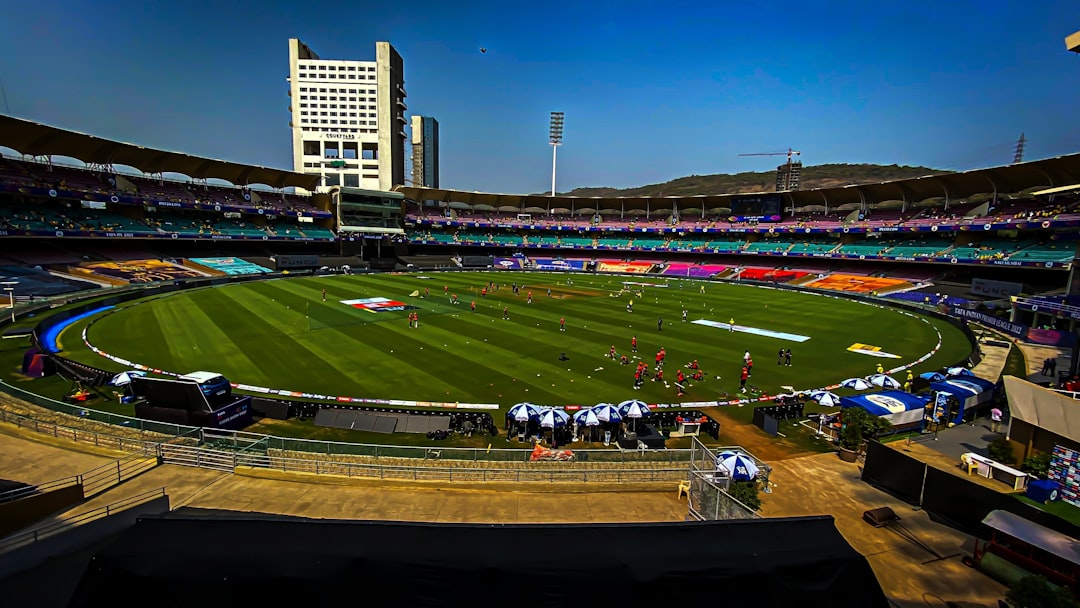
In the realm of live sports broadcasts, a revolution is quietly unfolding. While visuals have traditionally dominated the spectator’s experience, the power of audio storytelling and innovative sound design is reshaping how fans engage with sporting events. This definitive guide explores how sound is being harnessed to create immersive atmospheres, enhance emotional connections, and revolutionize the way we consume sports media.
1. The Evolution of Sound in Sports Broadcasting
The Early Days: Pure Commentary and Crowd Noise
Traditionally, sports broadcasts relied heavily on verbal commentary and the natural sounds of the stadium — the roar of the crowd, the crack of the bat, or the thud of a ball hitting the pitch. While these elements sufficed for basic engagement, they barely scratched the surface of sound’s storytelling potential.
Technological Advances Influencing Audio Quality
With advances in microphones and broadcasting technology, the ability to capture crisp audio on the field and among fans improved dramatically. This allowed live broadcasts to bring spectators closer to the action with clearer sounds and richer atmospheres. For more on innovative gear improving sports experiences, see how home theater tech enhances viewing.
Shift Toward Audio-Driven Storytelling
Broadcasters started embracing sound as a storytelling tool, layering ambient stadium noise with tailored commentary, player mics, and dramatized sound effects. This marked the beginning of a new era where audio storytelling would become central to audience immersion.
2. Understanding the Role of Sound Design in Sports Broadcasts
Defining Sound Design
Sound design is the deliberate crafting and mixing of audio elements to create an intentional narrative or mood. In sports, sound designers distinguish between various sounds—cheers, whistles, on-field communication, and background music—to build a compelling auditory experience.
Creating Emotional Engagement
Strategic use of sound design amplifies key moments. For example, smart layering of rising crowd noise combined with an excited commentator’s pitch can elevate tension during a crucial play. This taps directly into the viewer’s emotional response, fostering a deep connection with the broadcast.
Enhancing Context and Clarity
Sound design also clarifies the visual narrative. For instance, subtle audio cues can highlight player movements or referee decisions that might be visually obscure to the audience. This technique is essential to overcome issues in *visual ambiguity* often encountered in fast-paced sports.
3. Techniques Driving Audio Storytelling Innovation
Directional Microphones and Ambient Sound Capture
New microphone arrays capture crisp, directional sound from players, coaches, and fans, enabling broadcasters to isolate and amplify the most impactful audio. These technologies give audiences the sensation of sitting courtside or pitchside. This approach is akin to innovations discussed in sports star injury management lessons, where precision and timing matter greatly.
Integrated Player Communications
Embedding player mic audio into broadcasts brings viewers closer to inside conversations and tactical deliberations during play. This level of intimacy enhances engagement and provides expert insights, bridging the gap between fans and athletes.
Dynamic Mixing and Adaptive Soundscapes
Real-time audio mixing adjusts background crowd noise, commentary, and in-game effects depending on the action intensity. Sophisticated soundscaping techniques craft an evolving atmosphere representing different phases of the match, much like the dynamic tension seen in sports drama and fan reactions.
4. The Spectator Experience: How Audio Transforms Engagement
Immersion Beyond the Screen
High-quality audio transports viewers into the stadium, making the experience visceral even from home. The roaring crowd, the clang of a basketball net, or the subtle sounds of players’ breathing intensify the realism, something traditional broadcasts lacked.
Emotional Resonance Through Narrative Sound
Audio storytelling guides viewers’ feelings, using crescendos during pivotal moments and quiet tension in defensive plays or penalty shootouts. This manipulation of sound leads to shared emotional highs and lows, deepening loyalty and involvement, as explored in cricket’s fitness and engagement lessons.
Broadening Accessibility via Audio Innovations
Audio storytelling also improves accessibility for visually impaired fans through enhanced descriptions and sound cues, fostering inclusivity in live sports. The rise in regional-language and multi-layered audio commentary ensures wider reach and engagement.
5. Case Study: Audio Storytelling in Cricket Broadcasts
Capturing On-Field Atmosphere
Cricket broadcasts have taken audio storytelling to new heights. Using pitch-side mics, broadcasters like those covering the IPL or World Cup capture the smallest sounds — the ball’s seam brushing the bat, players' appeals, and crowd chants. This audio layering powers an immersive spectacle unrivaled in other sports.
Integrating Expert Commentary and Tactical Insights
Combining live commentary with sound design allows for nuanced tactical breakdowns. Voice overlays explain decisions, player strategies, and pitch conditions synchronized with sound effects, helping fans grasp the game’s depth and enjoy expert analysis — a key aspect discussed in podcasts creating educational sports communities.
The Future: Augmented Reality and Live Audio Elements
Some broadcasts experiment with augmented reality audio, giving viewers control over which sounds they hear or enabling virtual sideline experiences. These enhancements promise a new frontier for future sports engagement.
6. Technical Innovations Enabling Enhanced Audio Storytelling
Spatial Audio and 3D Soundscapes
Spatial audio techniques create three-dimensional sound environments, mimicking how fans would hear live at the venue. This technology enriches home broadcasts tremendously, simulating authenticity akin to the experience at the stadium.
AI-Powered Sound Mixing and Analysis
AI algorithms assist broadcasters by automatically tuning sound levels, identifying key moments, and even generating personalized audio mixes for different audience segments. This technical leap is comparable to AI tools revolutionizing other entertainment sectors, like in gaming design.
Immersive Multichannel Audio Delivery
Streaming platforms now support multichannel audio allowing fans to select commentary languages, switch between crowd noises from different stadium sections, or isolate on-field sounds. This gives a customized, fan-first experience.
7. Maximizing Fan Engagement Through Sound
Interactive Audio Features
Fans crave active participation. Interactive sound features allow users to control volume levels of commentary, crowd noise, or stadium music, enhancing personal engagement.
Storytelling Through Audio Branding
Teams and broadcasters create unique audio signatures — jingles, chants, and sound logos — building brand identity and emotional ties with fans, similar to innovative branding lessons seen in celebrity collaborations for merchandise.
Community Building via Audio Content
Podcasts and post-match sound-rich storytelling enable deeper connection with player stories, tactics, and fan culture, nurturing dedicated communities. Their importance is underlined in podcast roles in educational communities.
8. Challenges in Audio Storytelling for Sports Broadcasts
Balancing Authenticity and Added Sound Effects
Overusing sound effects risks detracting from the authentic atmosphere. Successful broadcasts strike a balance that maintains immersion without distraction.
Technical Limitations and Latency
Real-time mixing and delivery require cutting-edge infrastructure. Latency or sound delay can disrupt synchronization with visuals, making the experience jarring.
Rights and Privacy Concerns
Using player mic audio raises privacy issues and requires careful management to avoid broadcasting sensitive or inappropriate content.
9. Comparison Table: Traditional vs Audio-Enhanced Sports Broadcasts
| Aspect | Traditional Broadcast | Audio-Enhanced Broadcast |
|---|---|---|
| Sound Elements | Basic crowd noise and commentary | Directional mics, ambient sounds, player communications |
| Immersion Level | Moderate | High with 3D spatial audio and soundscapes |
| Fan Engagement | Passive viewer | Interactive audio choices and personalized sound |
| Emotional Impact | Relying heavily on visuals | Enhanced with audio-driven storytelling and pacing |
| Accessibility | Limited audio descriptions | Improved accessibility with multi-language audio and cues |
10. The Road Ahead: Future Trends in Audio Storytelling for Sports
Personalized Audio Experiences
Future broadcasts will increasingly leverage AI to tailor audio experiences to individual fan preferences — whether they want intense crowd energy or focused commentary.
Cross-Platform Audio Integration
Audio storytelling will find a home across platforms from TV to mobile apps, VR arenas, and social media, creating a unified yet customized experience similar to trends in streaming platform transformations.
Expanding Regional and Language Options
To engage global audiences, broadcasters are localizing broadcasts with regional languages and cultural audio cues, complementing the community-first approach explored in family sports time benefits.
Pro Tip: Brands that invest in immersive audio storytelling increase fan retention and create unbeatable emotional connections — a winning play for long-term loyalty.
Frequently Asked Questions
1. What exactly is audio storytelling in sports broadcasts?
Audio storytelling is the crafted use of sound elements — such as commentary, ambient crowd noises, and player sounds — to create an engaging, narrative-driven experience that enhances live sports viewing.
2. How does sound design improve spectator experience?
Sound design adds depth and emotional context, making viewers feel as if they are at the live event, guiding emotional responses during key moments, and clarifying the story behind the play.
3. Are there challenges to using player microphones during broadcasts?
Yes. Privacy concerns and potential sensitive content require stringent controls and ethical considerations before integrating player mic audio into broadcasts.
4. How is audio accessibility being improved in sports broadcasting?
Through enhanced audio descriptions, multi-language commentary, and sound cues, broadcasters make sports accessible to visually impaired fans and non-native speakers.
5. What future technologies might influence audio storytelling in sports?
Spatial audio, AI-driven mixing, augmented reality audio, and personalized fan experiences delivered across multiple platforms will drive the future of sports audio storytelling.
Related Reading
- The Role of Podcasts in Creating Educational Communities – How podcasts enrich fan engagement and learning.
- The Future of Entertainment: How Streaming Platforms Are Transforming Film Production – Insights into media trends impacting sports streaming.
- Cricket and Fitness: Lessons from the Women’s World Cup to Boost Local Programs – Sport-specific fan engagement and fitness integration.
- Incorporating Family Time into Sports: The Benefits of Watching and Playing Together – How sound shared experiences build sports communities.
- Reality TV Drama Meets Sports Drama: Lessons in Fan Reactions and Transfers – Exploring emotional dynamics in sports fandom.