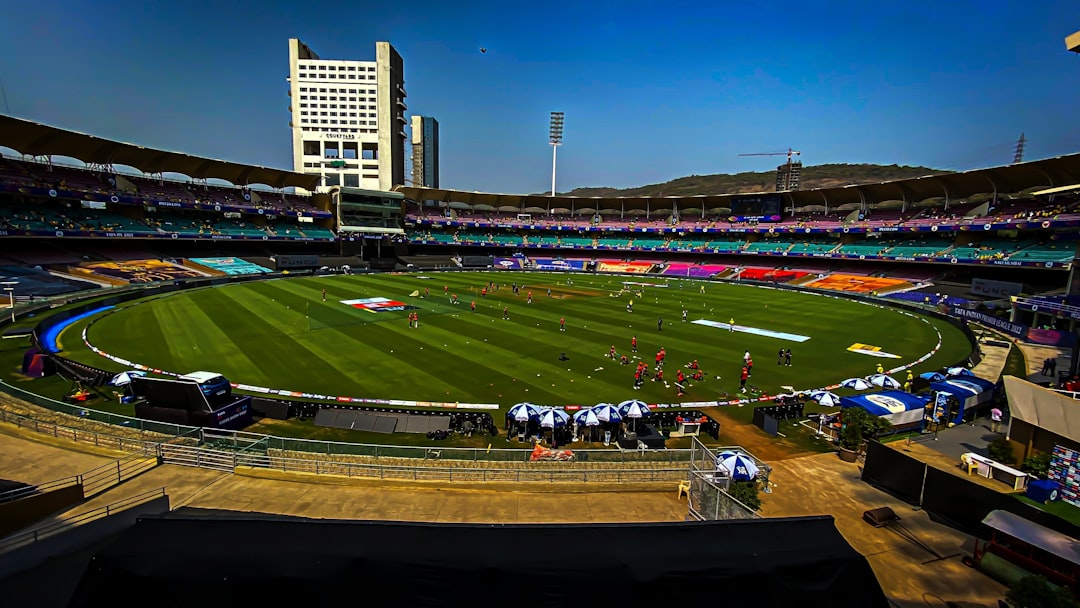
Cricket matchday is an orchestra of people and assets—teams, coaches, broadcast trucks, ground staff, food vendors, security teams, and fleets of vehicles that move equipment, staff and fans. When an external economic lever like fuel prices moves, the ripple reaches every corner of that orchestra. This definitive guide explains, with data, case studies and actionable strategies, how fuel price volatility and related economic forces reshape cricket operations and logistics—and what organizers, teams and venue operators can do to adapt.
1. How Fuel Prices Become Matchday Costs
Operational pathways from pump to pitch
Fuel shows up in match budgets in obvious and hidden ways. From team buses and logistics vans to diesel-fed broadcast OB (outside broadcast) trucks and generators powering floodlights, fuel is a direct input to almost every operational line item. A 20% jump in diesel prices can increase transport budgets dramatically, but equally important are knock-on effects—for example, higher freight rates for equipment or more expensive vendor deliveries.
Direct vs indirect cost transmission
Direct costs are those you can invoice against—fuel for team transport, fuel for stadium generators, or charter flights. Indirect costs appear in supplier price increases: catering, merchandise shipping, plastic pitch covers, and even temporary seating delivered by third-party logistics providers. Understanding both channels is essential to accurate budgeting.
Case study: A domestic T20 tournament
Imagine a 10-match T20 tournament hosted across three cities. Scheduled transport includes six team buses, two OB trucks per match, repeated deliveries of vendor supplies and overnight stays. If diesel rises by 30% and airlines add fuel surcharges, the tournament organiser can quickly see a 10–15% increase in matchday operational costs. Those are the kinds of sensitivities organisers must model in their contingency planning.
2. Cost Components Affected by Fuel and Macroeconomic Shifts
Transport and fleet management
Fleet fuel is the most visible line item: team buses, ground-transport shuttles, and service vehicles. Optimising routing and consolidating loads can reduce consumption, but some effects—like long-distance travel between venues—are unavoidable. For a deeper look at fleet choices and market dynamics, operators can learn from analyses of the automotive market and currency impacts on vehicle procurement in navigating the automotive market.
Broadcasting and power generation
OB vans and on-site generators are fuel-hungry. In many markets, renting OB trucks and paying for onsite diesel forms a large share of production costs. When organisers consider long-term savings, they should compare diesel dependency versus hybrid or hybridized solutions—topics explored in EV conversion case studies such as utilizing adhesives for electric vehicle conversions, which also highlights retrofitting as a cost-and-time trade-off.
Supply chain and vendor pricing
Vendors raising prices to cover courier and supplier inflation is common. Global supply-demand shifts affect availability and cost of goods—merchandise, catering supplies, even temporary seating. For perspective on how supply and demand ripple across services that depend on logistics, read understanding global supply and demand.
3. The Economics Behind Fuel-Driven Surcharges
How and why surcharges appear
Often, event operators and ticketing platforms introduce explicit surcharges to offset rising fuel costs—applied as a percentage of ticket price or as a flat fee. Surcharges can be temporary or tied to transparent indices. The critical question organisers must answer is whether to absorb costs to preserve attendance or pass them to consumers and risk lower sales.
Consumer reaction and price elasticity
Ticket demand elasticity can vary by market and event prestige. Lower-tier domestic matches with price-sensitive fans may suffer if surcharges are visible; marquee fixtures are more resilient. Operators should run scenario analysis and A/B tests where possible to measure price sensitivity—methods similar to those used in retail and commodity timing strategies such as how commodity prices can influence your buying.
Transparent communication to fans
Transparency helps. When surcharges are explained as temporary and tied to fuel indices, fans are more likely to accept them. This ties to stakeholder communication best practices: every major announcement should be structured as if delivered in a press forum—lessons that echo in coverage of press events and their lessons in high-stakes poker and political drama.
4. Logistics: Scheduling, Routing and Consolidation
Optimising schedules to cut mileage
Route optimisation reduces fuel consumption and driver hours. Strategies include clustering matches by geography, minimising deadheading (empty return trips), and scheduling back-to-back fixtures to lower re-deployment needs. Transit trends shaped by political context can also alter preferred routes and passenger flows; for tactical thinking on how route choice responds to political patterns, review transit trends.
Consolidating equipment and vendor deliveries
Consolidating deliveries for all vendors into single daily drop-offs reduces repeated trips. Using centralised micro-warehouses close to venues reduces last-mile transport and can lower costs. The digital transformation of postal and delivery services also provides models: see evolving postal services for approaches that reduce last-mile inefficiencies.
Using third-party logistics partners
Engaging experienced logistics partners with route optimisation and real-time tracking can reduce waste and improve responsiveness. When selecting partners, evaluate their fuel-surcharge policies and fleet efficiency metrics, and consider their contingency plans for supply disruptions.
5. Technology & Process Innovations That Reduce Fuel Dependency
Fleet electrification and hybrid solutions
Moving to electric or hybrid team buses and venue-service vehicles reduces exposure to diesel price spikes and local emissions. While upfront costs are higher, the lifecycle TCO (total cost of ownership) can be favorable in regions with high fuel prices or incentives. Support for conversion and retrofitting—illustrated by EV conversion case studies—can guide operators; see EV conversion methods.
Digital tools for scheduling and communications
Adopting advanced scheduling platforms and multimodal communications devices reduces coordination inefficiencies. Devices and services that centralise operations and live updates (similar to innovations in mobile computing) are explored in NexPhone and in the broader category of travel tech found in tech innovations for travel.
AI for demand forecasting and pricing
AI models can predict fuel-driven cost inflation and suggest dynamic ticket pricing or supplier re-negotiation timing. Organisations adapting to AI and evolving landscapes can find useful frameworks in adapting to AI.
6. Procurement, Supply Chains and Localisation
Strategic stockpiling vs just-in-time
Stockpiling key items (pitch covers, generator spares, vendor consumables) reduces exposure to sudden freight cost increases, but increases capital tied-up in inventory. A hybrid approach—critical-item buffers combined with JIT for other supplies—balances cost and risk. For broader market timing ideas, study commodity timing insights like the best time to buy.
Local procurement and supplier partnerships
Local sourcing reduces long-haul freight and exposure to international fuel price effects. Developing multi-year contracts with local suppliers can stabilise prices and guarantee service levels. This is especially important when global supply-demand imbalances drive longer visa and shipping delays—related concepts are discussed in global supply and demand.
Digital manufacturing and on-demand spares
Using local digital manufacturing for non-critical spares (3D printing of replacement brackets, signage, or custom fixtures) reduces procurement lead times and freight. The new era of digital manufacturing offers playbooks for speedy on-site production: see digital manufacturing strategies.
7. Financial Strategies: Hedging, Indexing and Dynamic Pricing
Hedging fuel and forward contracts
Large organisers and broadcasters sometimes hedge fuel exposure via futures contracts or bulk fuel pre-purchases. Smaller organisers can pool buying power with partners or prepay fixed volumes to lock rates. These tactics belong to broader financial strategies used by startups and firms raising capital; insight on investment and market responses can be found in analyses like UK’s Kraken investment.
Index-linked surcharges and transparent formulas
Index-linking surcharges to a published fuel index helps maintain fairness and predictability. Communicate the formula and update frequency to fans and partners to build trust and reduce disputes at the gate.
Dynamic ticketing and packaging
Dynamic ticketing that bundles travel or parking into match packages can smooth revenue and shift cost burdens strategically. Consider promotional models that offer cheaper tickets but optional travel bundles with predictable margins.
8. Human Factors: Workforce, Unions and Community Stakeholders
Paying staff and ground crews in inflationary periods
Labor costs rise with inflation. Where fuel drives commuting costs for staff, organisers may need to provide travel stipends or adjust shift allocation. Clear communications and involvement of worker representatives can reduce friction.
Union negotiation and scheduling flexibility
Unionised staff may demand adjustments when travel becomes costlier. Negotiations should focus on schedule predictability and offsetting benefits, leveraging shared savings from route optimisation to propose win-win solutions.
Community ownership and fan fundraising
When communities have a stake in clubs or venues, they are often willing to accept modest surcharges or to participate in volunteer logistics—community engagement models are explored in staking a claim.
9. Real-World Examples & Mini Case Studies
Domestic league: freight surge adaptation
A domestic league in 2024 rerouted equipment and consolidated deliveries into two central hubs to cope with a sudden 35% diesel spike. This reduced last-mile kilometers by 42% and held venue costs steady. The approach echoes strategies in supply and demand management and market timing discussed in decoding market trends.
International series: air travel surcharges
During a bilateral series, airlines added fuel surcharges to certain routes. The host board absorbed part of the cost and renegotiated broadcast windows to reduce overnight logistics. Such trade-offs are similar to how broader travel tech and choices evolve—refer to travel tech innovations.
Stadium retrofit: hybrid generators
One venue switched from older diesel generators to a hybrid system combining battery storage and smaller gensets. Initial CAPEX rose, but fuel consumption fell significantly and noise emissions dropped. Retrofitting insights mirror automotive retrofits in EV conversion use cases.
10. Action Plan: 12 Practical Steps for Organisers
Short-term (0–6 months)
1) Run a fuel-price sensitivity model for your next season. 2) Publish a transparent surcharge formula tied to a trusted fuel index. 3) Consolidate vendor deliveries and negotiate temporary fixed-rate contracts.
Medium-term (6–24 months)
4) Trial hybrid or electric support vehicles on high-frequency routes. 5) Implement route optimisation software and partner with logistics specialists. 6) Establish micro-warehouses or vendor consolidation hubs near venues.
Long-term (24+ months)
7) Invest in stadium energy storage and renewables to cut generator reliance. 8) Use hedging strategies for fuel where scale permits. 9) Build community partnerships and explore fan-ownership models to share economic burdens.
Additional steps: diversify revenue streams (merch bundles, travel packages), evaluate dynamic pricing, and adopt digital manufacturing for on-site spares to reduce freight dependence.
Pro Tip: Lock in partial fuel volumes during price dips and use index-linked pass-throughs to keep ticketing predictable—combine this with visible investments in sustainability to retain fan trust.
Cost Comparison Table: Fuel-Driven Scenarios
| Line Item | Baseline Cost (per match) | +30% Fuel Shock | Mitigation | Estimated Savings |
|---|---|---|---|---|
| Team Transport (buses) | $4,500 | $5,850 | Route optimisation, partial EV buses | 10–25% |
| Broadcast OB Trucks & Generators | $8,000 | $10,400 | Hybrid generators, battery storage | 15–35% |
| Vendor Deliveries & Catering | $3,000 | $3,900 | Consolidated drops, local sourcing | 8–20% |
| Merchandise Shipping | $2,500 | $3,250 | Prepositioning & digital sales | 10–30% |
| Security & Transport Stipends | $1,200 | $1,560 | Shift optimisation, car-pool stipends | 5–15% |
Communications, PR and Fan Trust
How to explain surcharges and cost moves
Communications should be transparent, simple and tied to verifiable indices. Provide an explainer showing how surcharges are calculated, their expected duration, and how savings from sustainability projects will benefit fans in the long run.
Using press events and stakeholder briefings
Organisers should prepare concise briefings for media and partners. The art of communication in sensitive situations is well-documented in analyses of press strategies; for cross-discipline lessons, see lessons from press conferences and negotiation contexts like high-stakes poker and political drama.
Engaging local government and sponsors
Engage local authorities to secure preferential routing or temporary road access to reduce idling and distance. Leverage sponsor partnerships to underwrite temporary surcharges or travel bundles that cushion fans.
Frequently Asked Questions
Q1: Will rising fuel costs always mean higher ticket prices?
A1: Not necessarily. Organisers can absorb short-term shocks, use surcharges, or reallocate budgets. The best approach depends on price elasticity of demand, sponsorship levels, and long-term strategy.
Q2: How much can electrification save?
A2: Savings depend on local electricity costs, vehicle utilisation and incentives. Typical fleet electrification can reduce fuel-driven operating costs by 20–40% over a vehicle lifecycle in high-fuel-price markets.
Q3: Are hedging and forward contracts feasible for small organisers?
A3: Full commodity hedging can be expensive. Small organisers can instead use pooled purchases, prepayment agreements, or index-linked contracts negotiated with suppliers.
Q4: How should organisers treat vendor inflation requests?
A4: Evaluate vendor claims, request documented cost drivers, and consider multi-vendor tendering. Consolidation and local sourcing are strong defensive options.
Q5: Can community ownership reduce operational risk?
A5: Yes. Community-owned clubs or venues can mobilise volunteers, crowdsource logistics support and create local supply chains—approaches detailed in community-engagement case studies such as staking a claim.
Final Thoughts: Building Resilience Into the Matchday
Rising fuel prices are not just an accounting headache—they force organisers to rethink logistics, procurement, and fan relations. The best responses combine operational efficiency (routing, consolidation), technology adoption (EVs, storage, AI), financial hedging and thoughtful communication. Organisers who plan with visible, data-driven approaches will protect margins, retain fan trust and emerge stronger when the next shock arrives.
For practical implementation, blend rapid wins (route optimisation, consolidated deliveries) with strategic investments (stadium energy storage, fleet electrification) and keep fans informed with clear, index-linked pricing. For adjacent topics that inform long-term planning—like the impact of housing market politics on travel patterns or digital manufacturing—consult the linked deep reads below.
Related Reading
- Reforming Reputation - Lessons on rebuilding stakeholder trust which apply to fan communications.
- Navigating Digital Manufacturing - How local fabrication reduces freight needs.
- Utilizing Adhesives for EV Conversions - Technical case studies for fleet retrofits.
- Evolving Postal Services - Innovations to reduce last-mile cost pressure.
- The Best Time to Buy - Commodity timing ideas relevant to procurement.