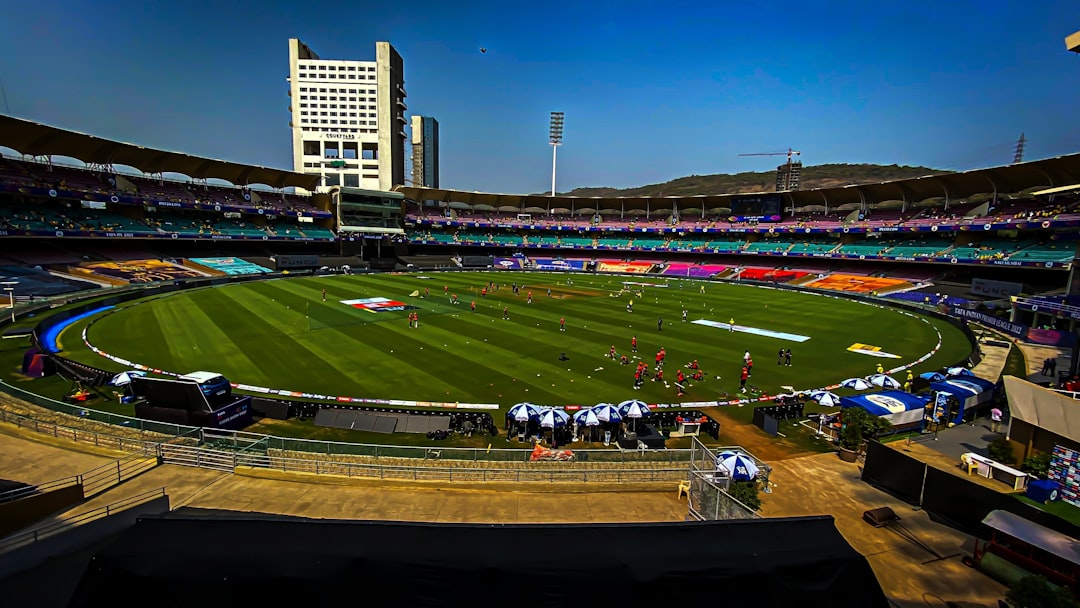
When Markets Move, Matchday Budgets Follow
Hook: Fans want fast, reliable match updates — not budget shockwaves. But behind every marquee signing, sold-out stand and broadcast deal is a web of macro finance. In 2026, market volatility and high-stakes central bank fights are reshaping player salaries, league budgets and ticket pricing. If you follow cricket, you need to understand how global economics now writes the contract fine print.
Topline: What you need to know first
The most important point up front: movements in commodity prices, currency swings, equity markets and central bank policy directly affect the cash flows that sustain cricket. That reality touches three fast-moving areas:
- Player compensation — more deferred pay, bonus-heavy deals and currency clauses;
- League and franchise finances — higher capital costs, renewed pressure on broadcast and sponsorship revenue;
- Ticket pricing and fan access — dynamic pricing, inflation indexing and new fan‑finance options.
Quick takeaways
- Expect more contracts with hedges: FX clauses, CPI links and milestone-based payouts.
- Franchises will diversify revenue — streaming, hospitality and localized sponsorships — to lower single‑payer risk.
- Fans will see wider ticketing models: micro-subscriptions, seat bundles and third‑party finance offers.
- Sponsors will demand clearer ROI and flexible terms tied to economic cycles.
How macro markets flow into cricket finance
Sports are not immune to macro. The channels are straightforward:
- Sponsorship and advertising — Corporates react to profit pressure. When margins compress, marketing budgets are often the first area to be cut or shifted to performance-based spends. That directly reduces sponsorship revenue.
- Broadcast rights — Big-ticket deals can be repriced or delayed in volatile markets. Buyers (broadcasters and streaming platforms) face capital constraints and subscription churn when equity markets fall.
- Ticketing and retail — Consumer spending power is shaped by inflation and employment. When real wages lag, discretionary purchases like premium cricket seats are cut first.
- Financing and capital costs — When central banks tighten or yield curves rise, franchise borrowing costs go up and stadium projects face higher capex hurdles.
- Currency and commodity exposure — Leagues in commodity-rich regions (e.g., Gulf hosts, resource-exporting nations) feel oil and metal price swings in government and sovereign-supported funding.
Central bank fights: why a policy spat matters to cricket
2025–26 has shown how central bank credibility and political pressure create real financial risk. High-profile stand-offs between political leadership and central banks — amplified in late 2025 — raised questions about independence in major economies. That uncertainty spikes risk premia, amplifies market volatility, and raises the cost of borrowing for teams and leagues.
"Trump's fight with the Fed has sparked debate about whether the US might be heading in a similar direction." — BBC, January 2026
When policy uncertainty increases, two direct effects matter for cricket:
- Higher financing costs — Debt-financed franchise models and stadium loans become more expensive. Leverage that looked affordable at 3–4% interest can become a burden at higher rates.
- Market volatility — Equity and bond market swings reduce sponsor balance sheet strength and broadcaster valuations, affecting multi-year deals.
Commodities, sovereign balance sheets and local sponsors
Cricket often runs deep in countries whose public and private finances are tied to commodity cycles. When oil, gas or metal prices fall, governments and big corporations cut discretionary spending — this can translate into reduced stadium subsidies, deferred infrastructure projects and weaker local sponsorship pipelines.
Conversely, commodity booms can boost local sponsorship and state-backed league investment. The point: cricket finances are cyclical when they depend on commodity-linked patrons. For deeper context on how regional price signals and microdata shape local funding patterns, see Regional Price Signals 2026 and analyses that trace agricultural reports into commodity moves like USDA-to-precious‑metals signals.
Player salaries: the new contract math
For players, the macro story is visible in contract structure. As market volatility has increased heading into 2026, key trends emerged:
- Performance-heavy pay — Teams are shifting base salaries toward bonuses tied to match performances, tournaments, and media metrics. This aligns cash flow to immediate ROI.
- Deferred and escrowed payments — Franchises use escrow accounts and deferred tranches to manage short-term liquidity while preserving long-term commitments.
- FX clauses for overseas players — Currency swings matter. Contracts increasingly specify payment currency or include conversion protections for foreign recruits to avoid exchange-rate losses; teams are adopting formal currency hedging practices for large international payrolls.
- Shorter guaranteed terms — Multi-year deals are still common for elite players, but guaranteed years have become more conservative.
For players and agents, the practical implication is clear: demand transparent clauses for inflation adjustments, currency protections and clear escrow or guarantee mechanisms. Financial planning off the field—diversifying income streams, endorsing stable brands, and cautious investment—becomes essential.
League budgets and franchise sustainability
Leagues are seeing three financial pressures at once: higher capital costs, more cautious sponsors, and uncertain broadcast valuation cycles. The result is an acceleration of certain strategies:
- Revenue diversification — Digital subscriptions, direct-to-fan commerce, and hospitality (premium matchday experiences) are now core budget pillars. Teams are experimenting with data-led monetization; see work on data and archive workflows that make advanced stats and micro-content revenue-ready.
- Shared-risk deals — Revenue-sharing models and minimum-guarantee protections in broadcast or title deals reduce one-party exposure.
- Cost rationalization — Salary caps, roster limits, and centralized procurement (kit, travel) are used to stabilize budgets.
- Financial stress testing — Leagues incorporate macro scenarios (rates, FX, commodity shocks) into budget planning and require franchises to maintain contingency reserves.
Ticket pricing and fan economics
Ticketing is where macro meets the stands. Inflation, wage growth and consumer confidence shape demand elasticity. In 2026 several ticketing trends are gaining ground:
- Dynamic price optimization — AI-driven models set prices by demand, opponent, and macro indicators in real time; platforms and vendors must account for price-pass-through mechanics when inflation is high.
- Micro-subscriptions and bundles — Fans can buy blocks of matches, weekday bundles, or family packs to smooth spending; these models mirror successful travel and booking bundling experiments like the flexible bundles used in short‑trip bookings.
- Payment flexibility — Buy-now-pay-later and installment plans are increasingly used for premium seats.
- Fan loyalty pricing — Long-term members enjoy CPI-linked price protection to maintain base revenue and goodwill.
For fans, that means smarter buying windows: early-bird tiers often still offer the best value when inflation is high, while last-minute dynamic deals can be attractive for flexible attendees.
Sponsorship revenue: changing terms and expectations
Sponsors now demand two things simultaneously: measurable activation and flexible commercial terms. When markets wobble, marketing budgets shift to programs that prove ROI quickly — digital activations, viewership-linked sponsorships and performance-based payments.
Practical sponsor-side changes include:
- Shorter contract lengths with renewal options tied to economic indicators.
- Hybrid fee models combining base fees with performance bonuses.
- Contingency clauses that allow activation level changes in defined macro scenarios.
What successful leagues are doing in 2026
Leading cricket competitions are responding by building resilience:
- Centralized risk pooling — A league-wide reserve or insurance pool cushions franchises through downturns; regulators and market designers are exploring frameworks similar to those in regulated micro-markets (regulating micro-markets).
- Multi-territory rights — Selling smaller, market-specific streaming rights to regional platforms reduces concentration risk.
- Data monetization — Advanced stats, heatmaps and fan analytics become subscription products for broadcasters and fantasy platforms.
- Women’s league growth — Investing in women’s cricket creates diversified content and new sponsorship categories less correlated to traditional commodity cycles; licensing and creator-rights work (e.g., creator licensing playbooks) provides a useful analog for rights packaging.
Real-world checklist: Actionable steps by stakeholder
For leagues and franchises
- Institute macroeconomic stress tests on budgets annually (scenarios: -30% sponsorship, +200bps interest rates, -10% broadcast receipts).
- Adopt currency hedging for international player payrolls and large capital projects.
- Create a contingency reserve equal to 6–12 months of fixed costs or negotiate credit lines with covenants tied to operations, not market indices.
- Negotiate broadcast deals with performance tiers and minimum guarantees to balance upfront revenue and long-term upside.
For players and agents
- Insist on currency clauses or payment in a stable currency for overseas terms.
- Prefer contracts with a mix of guaranteed pay and performance incentives tied to clear, measurable metrics.
- Build non-match revenue: media appearances, IP, academies or local business investments to hedge against salary volatility.
- Use escrow arrangements and insurance for injury or franchise insolvency risk.
For sponsors and broadcasters
- Push for flexible activation windows and explicit measurement frameworks that link spend to engagement and conversion.
- Consider revenue-share or indexed deals where payments track viewership or ad inventory performance.
- Coordinate with leagues on fan finance offerings to support ticket sales during soft demand periods.
For fans
- Buy early when possible — preseason passes and memberships offer best-inflation protection.
- Use official resale channels to avoid fraud and prefer platforms that show price history.
- Explore micro-subscriptions for streaming as they often cost less than single-match tickets in high-inflation periods.
Governance and policy: what regulators should consider
Given how macro policy affects sport, regulators and national sports bodies can help by:
- Encouraging financial transparency in league accounts and franchise disclosures.
- Supporting fan-protection rules around ticketing and broadcast access during market shocks.
- Facilitating local funding mechanisms for stadium projects that avoid excessive leverage tied to short-term commodity cycles.
What to expect into late 2026 and beyond
Looking ahead, three trends will shape cricket finance:
- Normalization of macro-linked contract clauses: Expect CPI and FX protections in most international contracts.
- Greater digital monetization: Leagues will extract more value from data, micro-content and subscription bundles to reduce reliance on a few big sponsors.
- Stronger governance and reserves: Risk pools and contingency funds will become standard across sustainable leagues.
Final thoughts: turning volatility into resilience
Markets will always move. The smarter parts of the cricket ecosystem are not trying to predict every spike in commodity prices or political tensions over central banks; they are building structures that survive them. That means contracting with clarity, diversifying revenue, and embedding macro scenarios in every budget cycle.
For fans, players and operators who demand certainty from their cricket coverage and finances, the shift toward hedged contracts, digital-first revenue and fan-centric pricing models is good news. These changes may reduce headline salaries in some cycles, but they also increase long-term job security, league longevity and matchday experience quality.
Call to action
Want to stay ahead of the next budget shock? Join our newsletter for data-driven updates on sports economics, exclusive analyses on player salaries and league budgets, and practical guides on ticket buying and sponsorship activation. Sign up and never miss how market volatility could affect your team, ticket or favorite player's next contract.
Related Reading
- Ticketing, Venues and Integrations: Legal Playbook for AnyConnect and Ticketing-First Experiences (2026)
- Weekend Win: How Flexible Bundles, Instant Checkout, and Inventory‑Aware Services Are Rewriting U.S. Short‑Trip Bookings in 2026
- Storage Workflows for Creators in 2026: Local AI, Bandwidth Triage, and Monetizable Archives
- Regional Price Signals 2026: Microdata, Edge Observables, and the New Policy Toolkit
- How Coastal Towns Are Adapting to 2026 Fishing Quota Changes — Local Impact and Practical Responses
- How to Spot a Great Short‑Term Rental Experience Online — Checklist for Bookers
- Total Campaign Budgets: Rethinking Spend Allocation Across the Customer Lifecycle
- How Rare Citrus Varieties Could Help Groves Survive Climate Change
- Mood Lighting for Dessert Bars: How to Use Smart Lamps for Seasonal Pop-Ups and Home Parties