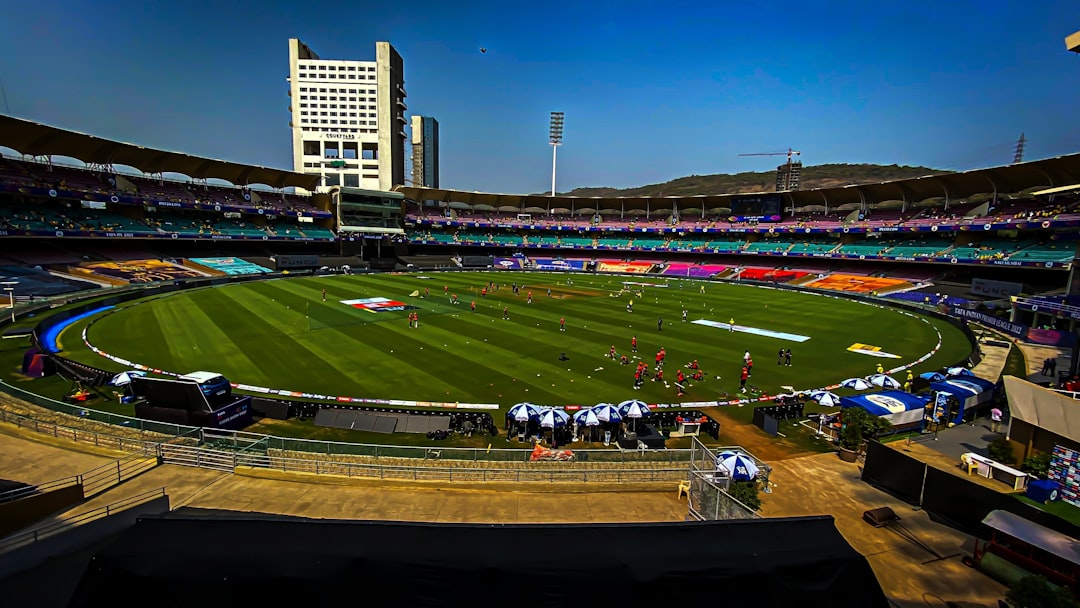
Why food manufacturing margins suddenly matter to stadium deals
The latest industry outlook from FCC says Canada’s food and beverage manufacturers are heading into another year of weak demand, with sales growth in 2026 expected to be driven mostly by price rather than volume. That sounds like a factory-floor story, but it has direct consequences for stadiums, arenas, and the brands that fill their concession stands. When volume is down and input costs are still volatile, every sponsorship dollar has to work harder, which changes how food manufacturers evaluate brand deals, sampling rights, naming opportunities, and long-term partnerships. In other words, margin pressure does not just affect product pricing; it reshapes commercial strategy across the live-sports ecosystem.
For stadium operators, the implication is equally important: the old logic of “sell more inventory and hope the sponsor renews” is giving way to a more measured ROI conversation. Food manufacturers are becoming sharper buyers of attention because their own economics are tighter, and they increasingly want proof that a family-first, sports-friendly event environment can drive trial, loyalty, and repeat purchase. This is where activation design matters as much as logo size. If a venue can show measurable conversion, data capture, and category exclusivity, it can defend pricing even in a cautious market.
That is why this topic matters now: the sponsorship market is not shrinking uniformly, but it is being repriced by the realities of manufacturing margins, consumer spending, and supply-chain uncertainty. Stadiums that understand those pressures can build more resilient retention models, while brands that adapt can turn a constrained budget into deeper fan engagement. The winners will be the sides that move from vanity exposure to commercially accountable value perception.
What FCC’s outlook signals for sponsorship buyers and sellers
Modest sales growth, declining volumes, and the squeeze on discretionary spend
FCC’s forecast is clear: sales in food and beverage manufacturing are expected to rise only modestly, while volumes continue to fall. That means inflation can make the top line look healthier than it really is, but the real engine of brand health—units sold—is still weak. For sponsors, this matters because low volume growth usually forces tighter budget scrutiny, and marketing spend competes with higher-priority items such as raw materials, labor, logistics, and debt service. A sponsor under pressure will ask more difficult questions about every activation, every hospitality package, and every rights fee.
This is especially true in categories where input costs remain volatile. Meat, cocoa, canola, and energy-linked ingredients can shift quickly, and those swings feed straight into gross margin expectations. When margin resilience is uncertain, food manufacturers often prefer deal structures that preserve flexibility: shorter commitments, performance clauses, inventory-based co-marketing, and activation spend tied to measurable outputs. That is very similar to how smart operators approach budgeting decisions under uncertainty in any constrained business model, except here the uncertainty affects both shelf pricing and live-event participation.
For stadium commercial teams, the lesson is simple: do not sell sponsorships as static inventory. Sell them as a revenue platform that can deliver product sampling, CRM data, retail lift, premium placement, and local resonance. The more you can connect a rights fee to the sponsor’s broader commercial pipeline, the easier it becomes to defend the price in a cautious budget cycle. That framing is especially valuable when brands are comparing your offer against cheaper digital channels or short-term content strategies.
Why margin pressure changes the risk appetite of F&B brands
When margins are compressed, brands usually become more selective. They do not stop spending, but they shift toward options that demonstrate immediate usefulness: localized campaigns, measurable sampling, retail tie-ins, and partnerships that strengthen distribution rather than simply awareness. A food manufacturer that can no longer afford broad, diffuse media buys will look for venues that concentrate target audiences. Stadiums are attractive because they deliver a dense audience in a predictable time window, with strong emotional context and repeatable attendance patterns. That is the commercial magic—if the venue can prove the numbers.
Margin pressure also changes negotiation behavior. Brands push harder for bundled value, not just lower prices. They want signage, content, social amplification, in-venue exclusives, and hospitality access packaged together, because each layer raises the effective return on investment. This is similar to the logic behind stacking savings: the real value comes from combining benefits, not from a single discount in isolation. Stadiums that can “stack” inventory intelligently will outperform those that only sell isolated assets.
There is also a trust issue. In a noisy sponsor market, food manufacturers are increasingly skeptical of inflated claims and overpromised impressions. They want authentic fan-first activation, not a generic logo dump. For venues, this is an opportunity to position themselves like the best trust-building publishers: credible, audience-aware, and disciplined about proof. That shift from hype to evidence is one of the most important commercial trends in live sports.
The economics of stadium sponsorship valuation in a low-margin era
From impressions to incrementality
Historically, sponsorship pricing often leaned on audience size, TV exposure, and broad brand visibility. Those metrics still matter, but they are no longer enough. Food manufacturers operating under margin pressure want incrementality: did the sponsorship help sell more units, capture first-party data, improve retailer relations, or lift trial among a defined segment? If the answer is yes, the value is much easier to defend internally. If the answer is no, the deal becomes vulnerable during budget review.
That is why activation strategy needs to be built around conversion pathways. Sampling at entry gates should connect to QR-based offers. Naming rights should connect to recipe content, limited-time menus, or retail redemption. Hospitality should connect to category education or buyer relationships, not just a premium night out. A good stadium partnership behaves more like a retention funnel than a billboard purchase. The commercial logic is not “we were seen,” but “we moved customers closer to purchase.”
In practice, this means more sophisticated measurement. Brands may use POS data, store-lift studies, geo-fenced mobile exposure, and CRM matchback analysis. Stadiums that can provide clean data integration will be in a better negotiating position. For operators, that is the commercial equivalent of building a resilient operations stack, much like the approach described in real-time capacity dashboards, where visibility turns complexity into actionable decisions. The more measurable the sponsorship, the more defensible the fee.
How discount rates and contract length get repriced
In a period of margin pressure, the cost of capital and the internal hurdle rate of a sponsor matter more than ever. Brands become more cautious about multi-year commitments unless they can negotiate flexible performance clauses or exit options. That can lower the effective present value of a long-term deal, even if the headline rights fee remains unchanged. From a stadium’s perspective, this creates a tension: long contracts provide revenue certainty, but sponsors want flexibility until demand stabilizes.
The smart answer is not to resist flexibility; it is to design for it. For example, a venue can offer a base rights fee with annual activation escalators tied to results, additional exclusivity as performance thresholds are hit, or content add-ons that trigger only when audience benchmarks are met. This approach mirrors good scenario analysis: you model the upside, downside, and a realistic middle path, then price accordingly. The partnership becomes a managed portfolio of options rather than a rigid all-or-nothing bet.
That also means the most valuable inventory may not be the most visible inventory. A smaller, high-intent asset—say, exclusive pouring rights in a premium club, or a co-branded fan membership tied to retailer rewards—can outperform a massive but unfocused sign package. Brands with tighter margins often prefer such precision because it preserves capital and simplifies attribution. For stadiums, this is a chance to shift from selling square footage to selling outcomes.
Activation strategies that work when every dollar must prove itself
Sampling, limited-time offers, and retail linkage
Food manufacturers often see stadiums as a live laboratory for trial. When margin pressure limits mass-media spend, product sampling becomes more attractive because it compresses the distance between exposure and purchase. The best activations pair sampling with a clear next step: a discount code, retailer locator, loyalty points, or a limited-time menu item available in-store and at the venue. That combination captures both immediate trial and downstream purchase behavior.
To make sampling effective, the activation has to feel like part of the fan experience rather than a forced interruption. This is where venue design and audience flow matter. If the product is aligned to the moment—hydration in hot weather, portable snacks at entry, comfort food during a break—it feels relevant and useful. The best operators think like event curators, not advertisers, much like hosts of a game-streaming night who understand pacing, energy, and audience attention. Relevance is the difference between sampling that converts and sampling that gets ignored.
There is also an opportunity to connect on-site experiences to e-commerce and retail channels. QR codes, scan-to-win promotions, and geo-targeted follow-ups can extend the sponsorship beyond game day. If the stadium can demonstrate actual repeat purchase or loyalty sign-up, the sponsor’s finance team has much more reason to keep funding the partnership. That is how activation turns into commercial proof rather than just “fun at the ballpark.”
Hospitality, B2B relationships, and buyer enablement
For many food manufacturers, stadium sponsorship is not only consumer marketing. It is also a B2B tool for retailers, distributors, foodservice buyers, and channel partners. A high-quality hospitality program can help secure shelf space, reinforce category leadership, and build trust with purchasing teams. In a low-margin environment, those relationships can be worth more than broad awareness because they protect distribution and negotiation leverage.
That means the venue should think beyond entertaining VIPs. It should build curated experiences that showcase product versatility, supply reliability, and innovation. A buyer who experiences a product in a premium setting can better imagine how it will perform in their own stores or menus. This is where smart category storytelling matters, similar to the way pricing narratives shape demand in second-hand markets: context changes perceived worth. Stadiums that can stage strong business conversations around a brand’s real strengths will create stickier partnerships.
One more advantage: hospitality can support regional strategy. If a manufacturer has a local plant, a regional distribution center, or a community employment story, the stadium can turn that into a trust signal. Fans respond well when the partnership feels rooted in local economic life, not just transactional brand placement. That local credibility can be decisive when budgets are under pressure.
Data capture and first-party audience building
In a tightening economy, data is the activation layer that most often separates average sponsorships from indispensable ones. Food manufacturers want to know who engaged, what they bought, where they live, and whether the campaign changed behavior. Stadiums can help by building consented data capture through app downloads, contests, QR scans, membership enrollments, and digital ticketing journeys. Every interaction should be designed to create a usable signal, not just an impression.
This is where the venue can borrow from sophisticated customer systems elsewhere. Just as reliable data management improves smart-device ecosystems, as outlined in data management best practices, sponsorship data needs clean tagging, clear consent, and consistent reporting. If a sponsor can trust the data, it can justify future investment. If it cannot, the relationship becomes a one-season experiment.
Data also helps with segmentation. A beverage manufacturer may want families, while a snack brand may want young adults or late-arriving attendees. With better audience understanding, the same venue can sell differentiated activation packages to different brands rather than treating all sponsors as interchangeable. That is a major revenue unlock in a market where margin pressure rewards precision.
What kinds of partnerships become more valuable under margin pressure
Long-term strategic alliances beat one-off logo buys
When industry conditions are unstable, both sides benefit from continuity. A one-off sponsorship can still work, but long-term partnerships create room for learning, iteration, and better economics. Food manufacturers can refine activation based on performance data, while stadiums can improve inventory planning, staffing, and content integration. Over time, both parties lower waste and raise return on spend.
Long-term deals also support narrative continuity. If a brand is tied to a venue for multiple seasons, fans begin to associate it with the game-day ritual itself. That makes the sponsor less vulnerable to short-term buying cycles because the partnership becomes part of the venue’s identity. This is why some of the strongest commercial relationships resemble the retention logic discussed in customer retention playbooks: consistency builds familiarity, and familiarity supports value.
For stadiums, the strategic question is whether they are selling “access” or “outcomes.” Access is easy to copy. Outcomes are harder. The more a venue can embed itself into a sponsor’s product, distribution, and loyalty systems, the more defensible its partnership becomes. That is the kind of relationship that survives even when the broader food manufacturing cycle tightens.
Regional, community-first, and purpose-linked deals
Not every valuable deal has to be national. In fact, margin pressure often makes regional partnerships more attractive because they can be tightly targeted and operationally efficient. A local manufacturer with strong community ties may get more value from a stadium package focused on its core market than from a larger, more expensive national buy. This is especially true if the venue can help tell a story about jobs, local sourcing, or family consumption.
Purpose-linked partnerships also matter more in uncertain times. Consumers are not just buying snacks or beverages; they are buying trust, quality, and identity. Stadiums that can present a product as part of a broader community experience can help manufacturers reinforce those values. That is consistent with the way fans respond to events that are designed for the whole family, as shown in community event strategy.
There is a real commercial benefit here: local authenticity often lowers the need for expensive mass awareness. If fans already see the brand as “one of ours,” the sponsorship can focus on conversion and loyalty rather than education from scratch. In a margin-sensitive market, that is a powerful advantage.
Stadium revenue strategy: how operators should adapt their commercial model
Package architecture should match sponsor pressure
Stadium revenue teams need to rethink how packages are structured. Instead of a narrow set of rigid sponsorship tiers, venues should offer modular packages that let food manufacturers choose the mix that matches their budget and objectives. A brand may want exclusive pouring rights, but only if it can also bundle sampling, digital content, and retail redemption. Another may prefer a smaller package with stronger data capture and fewer hospitality commitments. Flexibility helps preserve the relationship when budgets tighten.
Good package architecture also helps keep deals from collapsing under negotiation fatigue. Sponsors under cost pressure often compare every line item. If the venue can clearly explain what each asset does for the brand’s business, it reduces skepticism and speeds decisions. That is the same logic people use when evaluating what is worth paying for versus what is hype: the item must earn its place through utility.
Operators should also be careful not to discount too aggressively. A lower headline price can damage long-term value perception. Better to preserve rate card integrity while adjusting deliverables, performance metrics, or contract structure. That way, the venue protects its market position without ignoring the sponsor’s margin reality.
What to measure: the KPI stack that wins renewals
The best stadium partnerships now require a KPI stack, not a single vanity metric. At minimum, operators should track reach, engagement, sample conversion, redemption rate, CRM sign-ups, repeat attendance, and retail lift where possible. For food manufacturers, those metrics translate sponsor spend into commercial logic. For venues, they create the case for renewal and expansion.
A useful way to think about this is to compare sponsorship models by how directly they connect to business outcomes. The following table shows how different partnership types tend to perform when margins are tight:
| Partnership type | Typical sponsor goal | Value in margin pressure | Main risk | Best activation |
|---|---|---|---|---|
| Category exclusivity | Protect share of voice | High if audience is targeted | Premium price may be hard to justify | Sampling + retail redemption |
| Naming rights | Top-line visibility | Moderate to high over long term | Weak if no proof of conversion | Always-on content + venue storytelling |
| Product pouring rights | Drive trial and usage | High because of direct consumption | Competitor substitution risk | Menu integration + app offers |
| Hospitality package | Support B2B relationships | High for distributor and retailer influence | Hard to quantify without follow-up | Buyer events + custom chef demos |
| Digital content sponsorship | Reach and frequency | Moderate if audience is niche | Can be commoditized quickly | Shoppable content + creator integration |
Notice the pattern: the partnerships with the strongest commercial story are the ones tied to behavior, not just visibility. That is why stadia should position themselves as growth partners rather than media sellers. They are helping brands solve a business problem, not simply renting space.
Pro Tip: In a tight-margin environment, a sponsor will often pay more for a measurable 2% lift in redemption than for a larger but unproven impression count. If your activation can prove lift, you can defend price—even when budget owners are scrutinizing every line item.
How brands and venues should negotiate in the next cycle
Lead with economics, not aesthetics
Negotiations go better when both sides begin with economics. What is the sponsor’s margin structure? Which product lines are under the most pressure? Where does the venue deliver the highest concentration of likely buyers? Once the business problem is clear, creative ideas become more relevant and less performative. That approach prevents the common mistake of building attractive activations that never map to a commercial need.
Food manufacturers should also understand that venue partners have their own cost pressures. Staffing, security, fan experience, digital infrastructure, and food-service operations all require investment. The strongest deal is one where both parties see a path to shared value creation. This is why modern sponsorship strategy looks more like operational automation than one-time creative buying: the process has to scale efficiently and reliably.
For venues, the takeaway is to prepare a margin-sensitive sales narrative. If a sponsor is evaluating several properties, the stadium that can explain audience quality, conversion capability, and partner support will usually win against one that only provides broad claims. You need commercial credibility, not just a nice deck.
Build flexibility into the contract, not just the conversation
Long-term partnerships are still valuable, but the contract needs to reflect real-world uncertainty. That can include phased commitments, optional extensions, performance bonuses, category-specific exclusivity, or activation clauses that can be turned on and off based on market conditions. Flexibility lowers the psychological risk for the sponsor and increases the probability of renewal for the venue. It is better to keep a deal alive with smart structure than to force a perfect but fragile agreement.
One useful benchmark is how other sectors handle uncertainty with scenario-based planning. Whether it is logistics disruption or consumer demand swings, businesses increasingly prefer contracts that can adapt to changing conditions. Food manufacturers are no different. They will commit more readily if they know the relationship can evolve without punishing them for short-term volatility, much like the contingency thinking behind cargo routing under disruption.
That adaptability is especially important in beverage manufacturing, where FCC notes that margins may face renewed pressure. If the category is under strain, the partnership model should acknowledge it rather than pretend all categories have the same budget flexibility. Tailored structures win more renewals.
Practical playbook for stadium commercial teams and F&B marketers
For stadiums: sell outcomes, local relevance, and proof
Stadium teams should audit each sponsorship category and ask: what commercial outcome does this asset create for a food manufacturer? If the answer is unclear, the asset should be redesigned or bundled with a stronger one. Build packages around trial, conversion, and data capture, then make reporting automatic and transparent. Sponsors under margin pressure value clarity because it lowers internal friction.
It also helps to align with local identity. Fans are more likely to respond when a sponsorship feels embedded in the experience rather than bolted on. Stadiums can strengthen this by highlighting local sourcing, regional jobs, and community programs. That turns a commercial asset into a meaningful story, which can be especially persuasive when brands are comparing a venue against digital alternatives or short-term promotions.
For food manufacturers: think portfolio, not campaign
Brands should treat stadium sponsorship as part of a broader portfolio strategy. The venue can support trial, data capture, retail lift, and B2B relationships simultaneously, but only if the activation is designed that way. A brand with margin pressure should avoid overpaying for vague prestige and instead invest in partnerships that fit its category economics. That often means fewer but stronger deals, more regional focus, and clearer success metrics.
Manufacturers should also remember that live sports offers something rare: emotional context. Fans are highly attentive, socially engaged, and more open to ritualized consumption. That makes stadiums unusually powerful for categories where repeat use and habit formation matter. The best deals use that context to create durable preference, not just one-day visibility.
Frequently asked questions about stadium sponsorships and food manufacturing trends
How do tighter manufacturing margins affect sponsorship pricing?
Tighter margins usually make sponsors more selective and more demanding about proof of value. They may still spend, but they will push for better measurement, stronger activation, and more flexible contracts. That can compress headline pricing in some cases, but it can also raise the value of deals that clearly drive sales or data capture.
What sponsorship assets are most resilient in a low-margin environment?
The most resilient assets are those closest to consumer behavior: pouring rights, sampling, retail-linked offers, hospitality for B2B buyers, and digital content with measurable calls to action. These assets are easier to connect to revenue, which helps brands defend the spend internally. Purely passive exposure tends to be weaker when budgets tighten.
Why are long-term partnerships still attractive if budgets are under pressure?
Long-term partnerships create consistency, learning, and better performance over time. They allow both sides to refine activation, improve measurement, and lower waste. Even in a cautious market, a multi-year relationship can be more efficient than a series of short-term transactions if the commercial logic is strong.
What should stadiums measure to prove sponsorship ROI?
At minimum, stadiums should measure reach, engagement, sample conversion, redemption, CRM sign-ups, repeat attendance, and, where possible, retail lift. The more these metrics can be tied to actual business outcomes, the easier it is to renew and expand the deal. Sponsors want evidence that the partnership moved more than impressions.
Can regional brands compete with big national food manufacturers for stadium inventory?
Yes. In many cases, regional brands can compete very effectively because they can speak directly to local fans and align with community identity. A well-targeted regional package can outperform a larger national buy if it is more relevant, more measurable, and better integrated with local retail channels.
How should brands and venues structure deals when market conditions are uncertain?
Use flexible structures: phased commitments, optional extensions, performance-based add-ons, and category-specific exclusivity. This lowers risk for the sponsor while preserving the venue’s upside if the partnership performs. The goal is to keep the relationship alive and adaptable rather than forcing a rigid deal that breaks under pressure.
The bottom line: margin pressure is rewriting the sponsorship playbook
Food manufacturing trends are not a side story for stadium sponsorships; they are a pricing signal. When sales growth is modest, volumes are falling, and input costs remain uncertain, brands become more disciplined about where their dollars go. That discipline pushes stadiums to offer measurable outcomes, richer activation, and more flexible commercial structures. It also favors venues that can translate audience attention into sales, loyalty, and trust.
For stadium operators, the challenge is to evolve from inventory sellers into commercial problem-solvers. For food manufacturers, the opportunity is to turn live sports into a more accountable growth channel. The best partnerships will not be the flashiest—they will be the ones that combine relevance, measurement, and mutual resilience. In a world of tighter margins, that is the real competitive edge. For more context on how market conditions and consumer behavior affect sports business decisions, explore our related coverage on sports viewership shifts, economics-informed sports analysis, and macro uncertainty and sponsorship budgets.
Related Reading
- A Local's Guide to the Best Transit Routes for Sports Fans - Useful for understanding how fan movement shapes sponsorship reach.
- Predictive Capacity Planning: Using Semiconductor Supply Forecasts to Anticipate Traffic and Latency Shifts - A smart analogy for planning capacity under volatility.
- How to Use AI Travel Tools to Plan Faster Trips With Less Guesswork - Helpful for thinking about data-driven planning and optimization.
- How to Save on YouTube Premium After the June Price Hike - A budgeting lens that mirrors sponsor cost discipline.
- The Great Cocoa Conundrum: What Gamers Need to Know About Mood-Boosting Snacks - Relevant to snack-category demand, pricing, and consumer behavior.