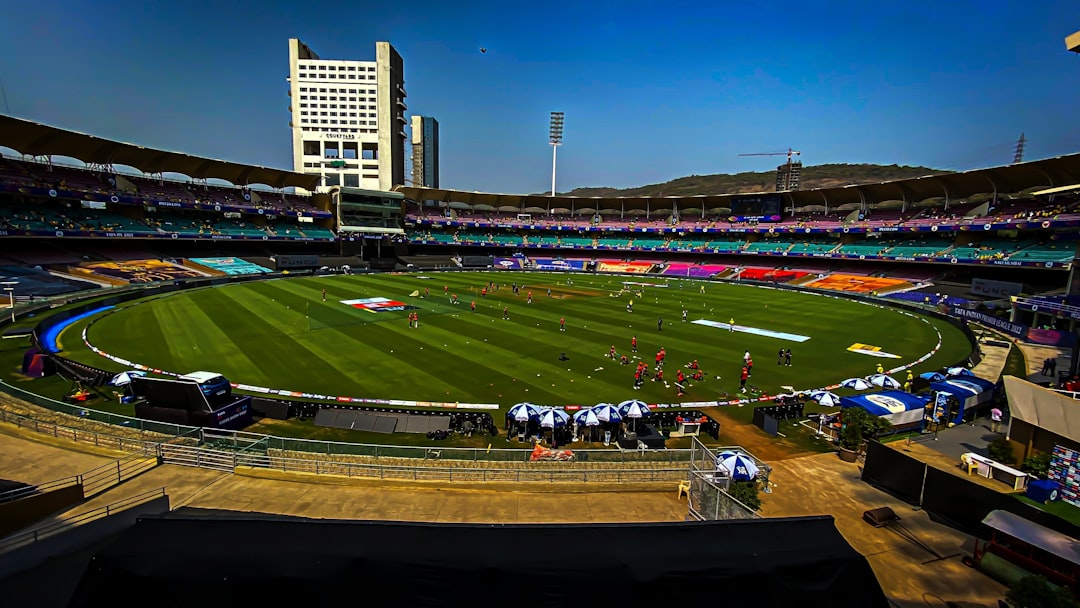
Augmented reality (AR) is revolutionizing not only how we play sports but also how millions of fans consume live cricket globally. This definitive guide explores how augmented reality is transforming broadcasting by deepening viewer engagement, enriching live sports coverage, and setting new standards in the digital media landscape.
The Rise of AR in Sports Broadcasting
From simple on-screen graphics to immersive 3D visualizations, augmented reality technology has evolved drastically in the last decade. Cricket broadcasting, traditionally reliant on static overlays and commentary, now benefits from dynamic AR elements that offer real-time data-driven insights.
These developments are part of a broader trend of sports innovation leveraging AI, sensor data, and immersive tech to engage fans like never before. AR enables broadcasters to display ball trajectories, player stats, enhanced replays, and virtual pitch maps that elevate the viewer experience.
Early Adoption and Current Use Cases
Leading international cricket tournaments have started incorporating AR for key moments. For instance, the Indian Premier League (IPL) introduced AR-powered predictive analytics for bowling strategies and shot placements. Similarly, broadcasters in England’s County Cricket showcase virtual advertising and boundary highlights seamlessly integrated with live feeds.
Such advances were made possible by improvements in spatial mapping, high-speed data processing, and wearable tech that feed live metrics into AR overlays. To understand the importance of audience-first technology in sports, see our comprehensive piece on athlete performance analytics and how tech partners enable better fan engagement on and off the field.
Enhancing Viewer Engagement Through AR
The essence of AR’s impact on cricket broadcasting lies in its ability to engage viewers actively, rather than being passive spectators. Interactive visualizations encourage fans to dive into tactical nuances, player comparisons, and in-match statistics with a degree of control and interactivity that traditional broadcasts lack.
Real-Time Tactical Breakdown
Augmented reality provides live, context-sensitive graphics displaying bowler speed, spin direction, batsman’s foot movement, and shot angles. This data is presented directly on-screen, enhancing comprehension even for casual viewers.
For detailed analysis of such live tactical breakdowns, refer to our examination of sports case studies where modern tech bridges between fans and expert-level insights.
Immersive 3D Replay and Projection
AR-powered replays offer virtual camera angles and zoom-ins unavailable in traditional TV. Fans can see 3D projections of ball paths against pitch maps, simulate batting and bowling scenarios, and view player positioning dynamically. This significantly enriches storytelling and allows broadcasters to innovate their content distribution models through immersive experiences, as highlighted in our analysis of the future of digital media platforms.
Customizable Experiences and Fan Interaction
Augmented reality also enables personalized broadcast options. Viewers can toggle overlays for specific players or teams, access bilingual commentary with regional-language support, or engage in interactive polls and quizzes integrated within live streams, fostering community-first engagement. Our feature on regional language content strategies extensively covers the importance of localization in increasing fan inclusivity.
Technology Behind AR Cricket Broadcasting
The seamless integration of AR in live cricket depends on an ecosystem of hardware and software tech working in concert. From camera rigs capturing multi-angle video to AI-driven analytics and cloud infrastructure delivering data in real-time, the technological complexity is immense.
Hardware: Cameras & Sensors
Multi-lens 4K cameras capture the live action with positional accuracy, complemented by high-frame-rate sensors to track ball spin, speed, and trajectories. Wearable biometric sensors on players gather physiological data that can be anonymized and used to enrich broadcast overlays. Learn more about sensor tech innovations and accuracy in sports from our article on multispectral sensors.
Software: AI and AR Rendering Engines
Software platforms apply AI algorithms to model ball physics, predict plays, and generate 3D visualizations. AR rendering engines then superimpose graphics onto live footage with minimal latency, ensuring real-time authenticity. Our deep dive on creative AI innovations provides insight into how these technologies continuously evolve.
Delivery: Cloud and Streaming Integration
Robust cloud infrastructure and content delivery networks (CDNs) handle massive data throughput and low-latency streaming to global audiences. Integration with major OTT platforms ensures accessibility on desktops, mobiles, and smart TVs. For legal and operational nuances of broadcasting on third-party platforms, consult our article on broadcast legal frameworks.
Impact on Cricket Fans and Stakeholders
Augmented reality changes not only how fans consume cricket but also how teams, sponsors, and broadcasters create value. It offers engaging touchpoints that increase viewer retention, sponsor ROI, and merchandise sales.
Fans: Enhanced Participation and Understanding
AR turns fans into active participants, inviting deeper understanding of cricket tactics and strategies. Enhanced stats, live polls, and immersive replays create stickiness, making fans more likely to follow entire matches and tournaments.
Teams and Players: Data-Driven Insights
Teams benefit from AR data visualizations for training and tactical reviews, aiding decision-making and performance improvement. Players get unique feedback visualized through AR that complements traditional coaching.
Sponsors and Advertisers: New Engagement Avenues
AR allows for interactive, branded experiences—such as virtual billboards and product overlays within cricket broadcasts—enabling sponsors to connect more meaningfully with cricket audiences. This aligns with our comprehensive coverage of technology meeting tradition in sports marketing.
Challenges and Considerations in AR Cricket Broadcasting
Despite its potential, AR integration faces hurdles needing careful navigation.
Technical Complexity and Costs
Building real-time AR overlays with accuracy requires advanced hardware and software investments. Smaller broadcasters may struggle to adopt without strategic partnerships.
Viewer Device Compatibility
To maximize AR’s reach, broadcasts must be optimized for diverse devices, from smartphones to high-end smart TVs, balancing performance and quality.
Privacy and Data Security
Handling player biometric data and user interaction data responsibly is vital, echoing themes from our discussion on building trust with legal compliance in technology deployments.
Looking Ahead: The Future of AR in Cricket
With the rise of 5G networks, AI improvements, and lower-cost AR hardware, the potential for immersive cricket viewing is vast. Expect broadcasts to evolve into multi-sensory experiences where fans can virtually step inside stadiums, customize angles, and interact socially during live games.
Future content distribution will increasingly incorporate AR layers, as explored in our article on content distribution innovations. The convergence of AR with virtual reality (VR) and mixed reality (MR) further promises an unparalleled digital sports engagement ecosystem.
Detailed Comparison: Traditional vs. AR-Enabled Cricket Broadcasting
| Aspect | Traditional Broadcasting | AR-Enabled Broadcasting |
|---|---|---|
| Visual Presentation | 2D graphics and static score overlays | Dynamic 3D visualizations and real-time data overlays |
| Viewer Engagement | Passive watching, limited interactivity | Interactive elements, customizable views, immersive replays |
| Data Depth | Basic stats and commentary | Advanced analytics, player biometrics, predictive insights |
| Technology Complexity | Standard broadcast gear | Multi-sensor inputs, AI analytics, cloud streaming |
| Sponsor Integration | Traditional ads and sponsorship boards | Virtual product placements, interactive branding |
Conclusion: Embracing the AR Transformation in Cricket
Augmented reality is no longer a futuristic concept but an essential pillar reshaping cricket broadcasting globally. By embracing AR, broadcasters deliver immersive, engaging, and insightful cricket experiences that meet modern viewers’ expectations for depth, speed, and customization.
For cricket fans and stakeholders seeking to stay ahead in the evolving sports landscape, understanding and leveraging AR’s capabilities is vital. Explore more on how emerging technologies impact sports globally in our article on predicting trends through sports analytics.
Frequently Asked Questions (FAQ)
What is augmented reality (AR) in cricket broadcasting?
AR in cricket broadcasting refers to technology that overlays real-time digital graphics, statistics, and 3D visualizations onto live cricket video feeds to enhance the viewer experience.
How does AR improve viewer engagement?
AR offers interactive and immersive elements such as real-time tactical data, 3D replays, and customizable views that make fans active participants rather than passive watchers.
What technologies enable AR in live cricket?
Multi-camera systems, ball and player tracking sensors, AI-powered analytics, AR rendering engines, and cloud streaming infrastructure collectively enable AR overlays in cricket broadcasts.
Are there challenges in implementing AR for cricket?
Yes. Challenges include high technical costs, the need for device compatibility, and concerns over data privacy and security.
What is the future of AR in sports like cricket?
The future points toward fully immersive, multi-sensory experiences integrated with 5G networks, AI, VR, and MR technologies, enabling fans to engage with cricket in unprecedented ways.
Related Reading
- Multispectral Sensors and Skin-Tone Accuracy - Essential tech details behind accurate sensor data in sports.
- Creative AI in Content Creation - How AI shapes modern sports media production.
- Legal Frameworks for Broadcasters - Understanding compliance in sports broadcasting.
- Regional Language Streaming Strategies - Key to fan inclusivity and engagement.
- Predicting Trends Through Sports Analytics - Insights into sports data impacting broader fields.