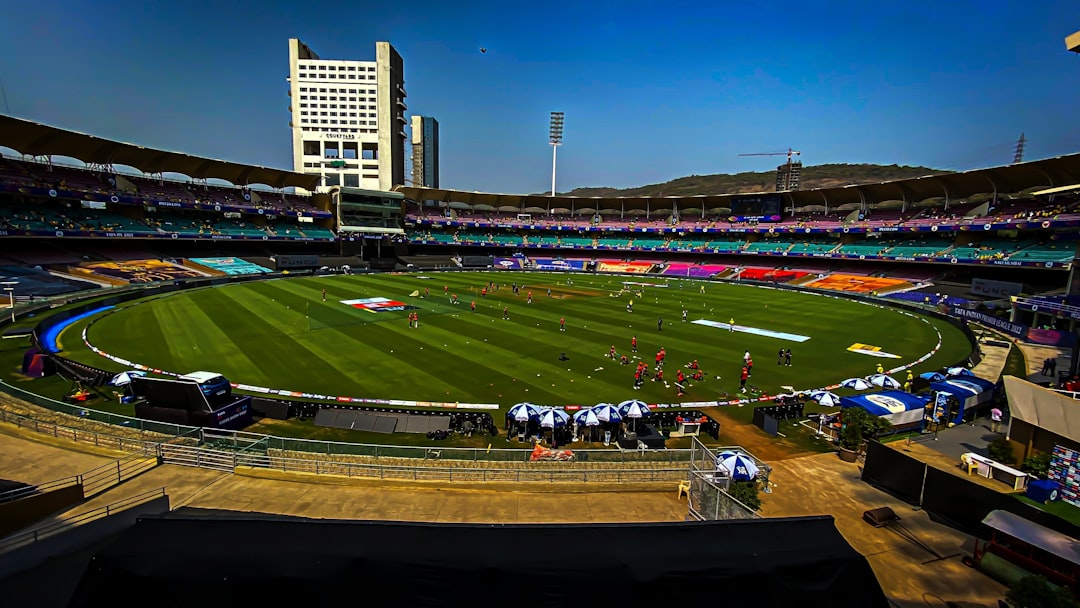
The Global Summit of Cricket: Learning from Davos on Sports Management
When world leaders, CEOs and academics convene at Davos, ideas about macroeconomics, sustainability and governance travel fast. Cricket administrators, league founders and club managers must treat those ideas not as distant theory but as operational tools. This deep-dive translates Davos-level thinking into concrete, tactical guidance for building sustainable cricket leagues, stronger fan engagement and resilient operations.
1. Why Davos Matters to Cricket Administrators
Global governance and stakeholder alignment
Davos is fundamentally about coordination: governments, corporations and civil society aligning incentives across borders. Cricket leagues face the same multi-stakeholder challenge — national boards, franchises, broadcasters, players and local communities all pull in different directions. Treating league development as a governance design problem rather than an event planner task changes decisions on revenue splits, scheduling and infrastructure investment.
Ideas travel from macro to micro
Macro-level finance themes — liquidity, monetary policy and cross-border capital flows — affect sponsorship and broadcasting deals. For concrete reading on how liquidity evolutions can alter institutional behavior, administrators should study global finance playbooks like the discussion on Evolution of Dollar Liquidity Pools in 2026 which explains how FX execution and treasury playbooks change large-scale deals.
Why strategic foresight beats reactive planning
Davos participants model long-term risks: climate, supply-chains, energy shocks. Leagues that incorporate foresight — weather risk for fixtures, stadium energy resilience, or multi-year broadcast rights cycles — avoid costly mid-season pivots. This mindset is central to building durable operations and fan trust.
2. Economics of Sports: From Macroeconomics to Match-Day Budgets
Revenue composition and risk management
Cricket revenue typically bundles broadcast rights, sponsorship, match-day sales and merch. Each stream has different volatility. Borrow from corporate treasury practice to smooth cashflow: create liquidity buffers and staggered rights sales to avoid dependence on a single season. The finance world has evolved models for managing dollar liquidity that are applicable — see how treasury playbooks adapt to liquidity shocks.
Pricing, yield and dynamic ticketing
Dynamic pricing is a norm in airlines and entertainment; cricket can adopt variable pricing by segmenting fan demand. Use real-time data to raise prices for premium match windows while offering local community programs to sustain attendance for less-coveted fixtures. Practical tactics for flash campaigns are covered in marketing playbooks — link management and campaign design matter; explore top link management platforms to centralize offers and measure conversions.
Cost control: venue ops and granular logistics
Operational costs balloon fast — staffing, transport, and standby services. Use micro-fulfillment and distributed logistics models to reduce last-mile costs for merch and concessions. The operational playbook for tiny fulfillment nodes provides a strong parallel: Operational Playbook: Tiny Fulfillment Nodes.
3. Building Sustainable Cricket: Environment, Venues & Community
Energy-smart venues and climate-resilient design
Sustainability is no longer a PR checkbox — it's a risk mitigant and cost lever. Stadiums must adopt energy-smart control systems to reduce operational bills and emissions. The household grid resilience playbook gives practical examples of value-driven investments in storage and control systems that can translate to stadium planning: Smart Storage, Grid Resilience.
Reimagining stadium footprint and green spaces
Lessons from urban design (river microparks, multi-use green infrastructure) show how to make venues community assets year-round. A sustainability brief on micropark design offers inspiration for integrating local recreation and climate buffers into venue plans: Sustainability Brief: River Microparks.
Operational sustainability: asset tracking and waste reduction
Track high-value gear and reduce loss with event asset tracking solutions; this improves conversion rates and reduces replacement capex. Read the field review on asset-tracking technology to see measurable uplift in event operations: Review: MeshTag Pro.
4. Fan Engagement: From Davos Panels to Pitch-Side Passion
Content ecosystems and creator partnerships
At Davos, storytelling matters: carefully curated narratives influence behavior. For cricket, invest in creator ecosystems — local broadcasters, fan podcasters and micro-influencers — to translate league narratives into grassroots engagement. The trajectory of creator livestreaming shows how to scale studios, monetization and engagement: Evolution of Creator Livestreaming.
Tech kits and quality of remote coverage
Not every match needs an OB van. Compact away-stream kits lower barriers for local creators and clubs to broadcast professional-looking streams. See the hands-on field review for practical kit lists: Field Review: Compact Away-Stream Creator Kits.
Match-day experience: gadgets to loyalty
Small, targeted tech investments (audio overlays, AR replays, loyalty drops) create outsized engagement. A curated list of CES picks helps prioritize affordable, high-impact gadgets that improve the fan experience: Top CES Picks to Upgrade Your Match-Day Setup.
Pro Tip: A 10% uplift in live-stream quality (better audio + camera) typically yields a 20% increase in watch-time and stronger sponsor CPMs — small kit spends pay off quickly.
5. League Development: Governance, Franchises & Community Models
Governance models: centralized vs hybrid
Leagues must choose legal and governance forms that align incentives. Pure franchises maximize capital but can alienate communities; community-first hybrid models retain local engagement while benefiting from centralized media deals. For practical micro-event strategies that bridge community and commercial goals, see the pop-up renaissance playbook: Borough Pop-Up Renaissance.
Micro-events and off-season engagement
Use pop-up events, local festivals and micro-competitions to keep fans engaged during the off-season. Small recurring experiences build ritual — similar to how micro-rituals sustain wellness communities: Small-Scale, Big Impact: Micro-Rituals.
Merch, micro-commerce and fulfillment
Merch moves faster when fulfillment is smart and local. Apply tiny fulfillment nodes and localized stock to shorten delivery windows and reduce returns. Operational playbooks for distributed fulfillment explain the tradeoffs and the implementation sequence: Operational Playbook: Tiny Fulfillment Nodes.
6. Tech & Reliability: Broadcasting, Apps and Data
Designing resilient micro-services
Match-day systems must be available under peak load. Architect apps with backups, monitoring and recovery plans so live scoring, ticketing and streaming survive spikes. The technical playbook for micro-services provides a blueprint for high availability at low cost: Designing Reliable Micro Apps.
Data telemetry and real-time decisioning
Real-time telemetry informs substitution decisions, concession restocks and in-venue alerts. Prioritize lightweight, edge-capable telemetry tools that can publish critical signals without heavy infrastructure.
Creator toolchains and link management
Bringing creators into your marketing means enabling them. Use link management platforms to track campaign performance, split revenue and standardize tracking tags for affiliate payouts. Read the platform review for details on measuring creator ROI: Review: Top Link Management Platforms.
7. Monetization Models That Scale: Tickets, Merch, Tokens
Traditional vs digital merchandise
Physical merch remains core to fan identity, but digital collectibles can deliver high-margin, low-logistics revenue. Use valuation frameworks to understand when a digital drop is hype versus durable demand: Valuation Models for Viral Digital Art.
Fan tokens and community retention
Tokenized fan communities are a frontier. Retention depends on ongoing utility — exclusive content, voting rights, or tiered experiences. Read opinion pieces on converting one-time buyers into loyal token holders for tactics and pitfalls: Retention Tactics for Token Communities.
Concession, premium services and upsells
Introduce modular premium services (fast-track entry, valet packages, premium restrooms) to increase per-capita revenue without reducing affordability for general fans. For an analysis of how a single add-on service affects venue economics, see the research on valet services: The Financial Impact of Valet Services.
8. Venue Operations: From Asset Tracking to Guest Experience
Tracking high-value assets and equipment lifecycle
Invest in tagging and tracking for cameras, scoreboards and hospitality kit. Field technology reviews show the ROI of asset tracking in reducing loss and improving logistics: Review: MeshTag Pro.
Small-scale investments that change guest perception
Small improvements — comfortable seating, improved audio zones, or micro-cafes — multiply satisfaction. CES pick lists help identify affordable hardware that fans notice immediately: Top CES Picks.
Reducing operational waste and improving margins
Waste diversion, reusable cup programs and digital ticketing reduce variable costs. Sustainable design briefs provide frameworks for reducing both emissions and operating expense: Sustainability Brief: River Microparks shows how venue investments can become community assets and cost-savers.
9. Tactical Playbook: Step-By-Step Implementation
Year 0–1: Foundation and rapid wins
Prioritize: (1) reliable live-score & streaming kit (compact away-stream kits are cost-effective), (2) clear governance document with stakeholders, and (3) a one-page sustainability plan. Use the field kit and streaming playbooks to buy the minimal viable streams: Field Review: Compact Away-Stream Creator Kits.
Year 2: Scale and diversify revenue
Introduce dynamic pricing, a loyalty program, and a pilot digital collectible. Deploy tiny fulfillment nodes for merch and local fulfillment to improve margins and delivery times — detailed in the operations playbook: Operational Playbook: Tiny Fulfillment Nodes.
Year 3: Institutionalize and refine
Move from pilots to standards: strengthen governance clauses, standardize creator contracts, and publish a community trust report. Lessons on building trust through content are instructive: Building Community Trust Through Content.
10. Case Studies & Comparative Models
Below is a comparative table summarizing five league development archetypes, how they scale, risks and recommended early investments.
| Model | Core Strength | Primary Risk | Early Investment | Scaling Mechanism |
|---|---|---|---|---|
| Centralized National League | Big media deals | Over-dependence on broadcasts | Legal governance, media rights team | Tiered broadcast + regional dev leagues |
| Franchise Capital Model | Private capital, fast growth | Community alienation | Stadium upgrades, CSR funds | Local partnerships + youth pipelines |
| Community-First Hybrid | Local loyalty | Slower cap raise | Micro-events, pop-ups | Micro-venues + digital drops |
| Digital-First Mini-League | Low capex, high margin digital goods | Monetization volatility | Creator ecosystem and platform fees | Subscriptions + NFTs + community tokens |
| Seasonal Festival Model | High-intensity events | Off-season attrition | Event logistics & temporary infrastructure | Year-round micro-events and merch |
How to choose a model
Decision factors include market size, broadcaster appetite, municipal support, and runway capital. Use scenario planning with 3- and 5-year P&L projections and stress-tests for liquidity scenarios (see treasury playbooks for stress-testing frameworks: Evolution of Dollar Liquidity Pools).
FAQ — Frequently Asked Questions
1. How can small clubs apply Davos-level ideas without big budgets?
Start with governance clarity, micro-events and creator partnerships. Low-cost tech (compact streaming kits) and localized fulfillment give outsized returns; see the compact kit review: Field Review: Compact Away-Stream Creator Kits.
2. What are the first sustainability measures to prioritize?
Energy efficiency (LED lights, smart HVAC controls), waste reduction and local partnerships for community use of venues. Practical venue briefs on microparks outline low-cost interventions: Sustainability Brief: River Microparks.
3. Are fan tokens worth the risk?
Fan tokens can be valuable if they confer ongoing utility. Avoid one-off speculation by designing token use-cases aligned with content, voting and rewards. For retention tactics, review token community strategies: Retention Tactics for Token Communities.
4. How do you measure ROI on creator partnerships?
Measure incremental ticket sales, referral revenue, and engagement metrics like watch-time. Use link management platforms to attribute conversions: Top Link Management Platforms.
5. Which tech investments are non-negotiable?
Reliable live scoring, basic streaming capability, and asset tracking. The micro-app reliability playbook outlines essential redundancy practices: Designing Reliable Micro Apps.
11. Action Checklist: Executive Summary
Immediate (0–6 months)
1) Audit broadcast and streaming quality; 2) implement basic asset tracking; 3) sign 2–3 creator partners; 4) run a pop-up micro-event.
Short-term (6–18 months)
1) Launch dynamic ticket pricing pilots; 2) test localized fulfillment for merch using tiny nodes; 3) publish a sustainability baseline report.
Medium-term (18–36 months)
1) Institutionalize governance and revenue sharing; 2) explore token or digital collectible programs with clear utility; 3) scale micro-events into off-season revenue engines. For tactical guidance on micro-events and pop-ups, see Borough Pop-Up Renaissance.
12. Conclusion: From Global Summits to Local Stadiums
Davos teaches us that big problems require coordinated frameworks, long-term thinking and cross-sector partnerships. Cricket administrators who borrow that mindset — marrying macroeconomic discipline with community-first tactics — will build leagues that are sustainable, profitable and beloved. Use the playbooks and reviews above as operational starting points, and commit to three-year planning cycles with quarterly reviews.
Related Reading
- Advanced Tax Frameworks for Microbusinesses & Creators - How tax design affects creators and micro-franchises in 2026.
- Review: Best Air Purifiers for Cozy Bucharest Apartments - Practical gear picks that inform venue air-quality upgrades.
- Roundup: Top 10 Calendar Apps for Creators - Tools to coordinate creator schedules and league calendars.
- Indie Studio Growth in 2026 - Strategies for hybrid pop-ups and monetized streams that translate to fan events.
- 5 Tech Gifts for Foodies from CES 2026 - Inspiration for small venue tech upgrades and food partnership ideas.