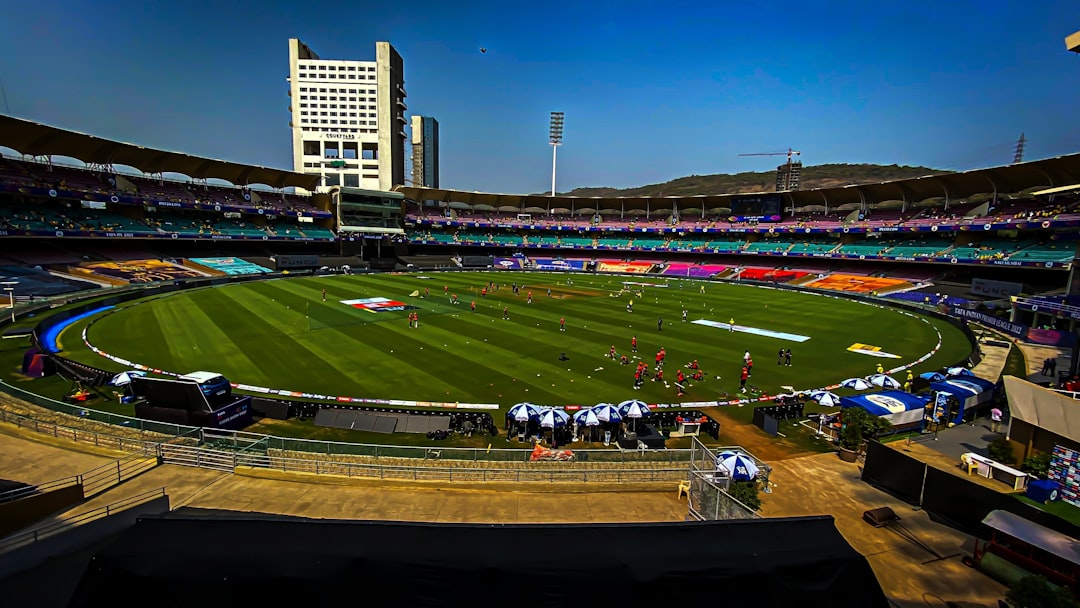
Cricket merchandise sits at the intersection of fandom, fashion and commerce. As teams, leagues and creators race to monetize fandom, smart brands are combining historical designs with cutting-edge technology to create products that feel authentic, collectible and future-ready. This definitive guide breaks down how tradition and innovation are converging across design, manufacturing, retail, digital ownership and community engagement — with concrete tactics teams, retailers and creators can apply today.
1. Why Merchandise Matters: Economics, Emotion, and Identity
Merchandise as a revenue engine
Merchandise is more than branded apparel; it’s a recurring revenue stream, a gateway to sponsorships, and a direct line to a fan’s wallet. In mature sports markets, merchandise can account for 10–20% of non-media team revenues when integrated across matchday, retail and e-commerce channels. To realize that value, products must feel relevant to the fan’s identity — not just remind them of a team but let them express allegiance in everyday life.
Emotional value and historical resonance
Fans invest in symbols. A retro jersey or a limited-edition cap connects a fan to a memory or era. That historical resonance powers higher willingness to pay and long-term collector interest, which is why reviving classic designs in modern silhouettes is a proven strategy for sustained sales and brand love.
From product to platform
Merchandise today is evolving from one-off products into platforms for engagement. A shirt that unlocks stadium perks, a digital token that grants early ticket access, or a collectible that triggers exclusive video content turns a purchase into an ongoing relationship. For teams and brands, product thinking must include post-sale experiences and lifetime value metrics.
2. The DNA of Traditional Cricket Designs
Heritage aesthetics: why classics endure
Classic cricket designs — canvas whites, embroidered crests, simple stripes — endure because they convey authenticity. They were created in eras where craftsmanship mattered and logos were badges, not billboards. Brands that treat these elements with respect can harness nostalgia while refreshing fit, fabric and function for modern fans.
Storytelling through apparel
A garment becomes meaningful when it carries a narrative: a tour, a championship, a player’s milestone. Use storytelling on tags, in product pages and through limited-edition runs to elevate perceived value. For detailed craft storytelling and how artisan narratives sell, see this deep look at Inside the Artisan Workshop: A Day in the Life of a Craft Maker.
Design cues to preserve
When modernizing heritage designs, preserve three cues: crest geometry, palette, and typographic treatments. Fans notice small changes to crests or nicknames; transparency about updates avoids backlash and builds trust.
3. Tech Integration: Smart Apparel, AR, and Digital Ownership
Wearables and smart fabrics
Smart jerseys and wearable tech can monitor performance for players or provide haptics and audio for fans. Products that add utility — climate control fabrics, UV protection, or embedded NFC chips — increase perceived value. Audiovisual tie-ins are also emerging: voice-activated chants or audio experiences embedded in stadium-worn apparel become a new frontier, as discussed in how publishers adapt to AI and audio tech Adapting to AI: How Audio Publishers Can Protect Their Content.
Augmented reality experiences
AR can make a static jersey interactive: scan a crest to see iconic match highlights, or point your phone at a cap to trigger a player-led message. AR keeps products sticky and encourages social sharing, increasing organic reach and UGC.
NFTs and digital provenance
Digital collectibles and NFTs create verifiable ownership for limited drops or authentic digital replicas. But identity, security and real utility are critical. For a technical perspective on identity and AI in NFTs, read The Impacts of AI on Digital Identity Management in NFTs. Successful launches pair digital tokens with tangible benefits — priority ticketing, physical merchandise redemption, or backstage access — bridging the virtual and physical.
Pro Tip: Pack utility into collectibles. A limited-edition retro shirt bundled with an NFC-linked digital token that unlocks pre-sale tickets or exclusive content boosts both immediate sales and long-term engagement.
4. Design Trends: Blending Retro with Modern Fashion
Retro revival meets contemporary fit
Teams are reissuing heritage jerseys in modern cuts, using premium fabrics and streetwear influences. This crossover attracts non-traditional buyers who care more about fashion than matchday rituals. For guidance on building premium outerwear and choosing quality materials, consult Smart Buying: Understanding the Anatomy of Quality Outerwear.
Limited runs and capsule collections
Capsule collections inspired by key seasons or player milestones create urgency and allow experimentation with silhouettes and collaborations. Collaborations with fashion designers or local artists can create culturally resonant products that expand audience reach.
Accessories and lifestyle products
Beyond jerseys, caps, and scarves, fans want lifestyle items: sneakers, watch straps, jewelry, and homeware. Custom jewelry inspired by team crests has become a high-margin category; read why personalization in jewelry can command premium prices at Why You Should Invest in Custom Jewelry: The Value of Personalization.
5. Collectibles, Rarity, and the New Investment Class
Physical collectibles and provenance
Signed bats, match-worn jerseys, and limited-edition posters retain long-term value when backed by provenance. Pairing physical items with a verifiable digital twin (an NFT or authentication token) closes the trust gap in the resale market.
Gifting and emotional value
Collectibles function as gifts that convey meaning beyond material value. For best practices in positioning collectibles as meaningful gifts — tying narrative to the object — see How to Use Collectibles as Gifts: Meaning Beyond Material Value.
Market mechanics and resale
The resale market is becoming formalized. Platforms that support fractional ownership, authenticated resale and royalty-sharing can offer creators recurring revenue. Art with social commentary in NFTs shows how the market rewards thoughtfulness, not just hype — explore this in Art with a Purpose: The Role of Social Commentary in NFTs.
6. Fan Engagement: Community, Content and Commerce
Community-first product strategies
An effective merchandise plan maps directly to community activities: fan clubs, local chapters, or digital communities. Using sports teams as models for broader community investment is a useful guide; see Using Sports Teams as a Model for Community Investment and Engagement.
Social platforms and native commerce
Sell where fans live: social shops, livestream commerce and in-app storefronts. Consider how AI shapes social interactions and how that affects merchandising approaches. The dynamics of AI-driven engagement are discussed in The Role of AI in Shaping Future Social Media Engagement.
Organic discovery and grassroots channels
Reddit and niche forums remain powerful discovery engines for superfans. For playbooks on authentic audience building, refer to our piece on Leveraging Reddit SEO for Authentic Audience Engagement.
7. Manufacturing, Artisanship and Sustainable Practices
Reviving craft and local supply chains
Partnering with local artisans adds authenticity and supports sustainability. Case studies from contemporary artisans show that heritage skills can be modernized while maintaining craft integrity — see Reviving Traditional Craft: Contemporary Artisans in Today’s Italy for examples of how craft revival fuels premium product lines.
Workshop transparency and storytelling
Take buyers behind the scenes. A day-in-the-life story from an artisan workshop humanizes production and can justify higher price points. For an example of detailed workshop storytelling, explore Inside the Artisan Workshop.
Sustainable materials and circularity
Fans increasingly expect sustainability. Use recycled fabrics, minimal packaging and resale programs. Offer repair services or buy-back options to extend product life and keep value inside the brand ecosystem.
8. Retail & E-commerce: Data, Analytics and Conversion
Data-driven merchandising
Use streaming analytics and real-time behavior data to decide inventory, pricing and promotions. For insights on how streaming analytics shapes content and product strategies, read The Power of Streaming Analytics: Using Data to Shape Your Content Strategy.
Omnichannel fulfilment
Seamless click-and-collect, stadium pop-ups and timed drops create urgency. Integrate fulfillment data with CRM to personalize offers — fans who purchased a retro jersey might receive offers for matching accessories.
Pricing psychology and drop strategies
Limited drops, tiered releases and early-access tokens (via memberships or NFTs) maximize conversion. Test scarcity messaging and A/B different bundle structures to optimize revenue per fan.
9. Legal, IP, and Digital Identity: Risk Management in the New Era
Intellectual property and licensing
Tightly manage crest, player likeness and sponsor usage. Licensing programs that empower local makers can drive growth while keeping IP safe when contracts clearly define quality and brand guidelines.
Digital identity and authentication
As digital twins and NFTs enter the mix, durable identity solutions are essential. The impacts of AI on digital identity in NFTs highlight the need for robust verification and privacy-preserving approaches; read this analysis for technical considerations.
Consumer protection and resale royalties
Implement clear terms for secondary sales and royalties. Transparent policies maintain fan trust and align with regulatory expectations emerging around digital assets.
10. Cross-Culture Collaborations and New Audiences
Gaming, pop culture and crossover drops
Collaborations with gaming publishers and icons expand reach. The overlap between sports legends and gaming culture shows how two fandoms can merge for mutual growth — see Sports Legends and Gaming Icons: The Overlap of Athletics and Gaming Culture.
Artist partnerships and designer co-signs
Invite designers and artists to reinterpret team insignia, allowing products to feel like limited-run art pieces. Creative leadership and new movements in art can inform these initiatives — explore Artistic Agendas: Examining New Leadership in Creative Movements.
Local culture-first lines
Localize product lines with region-specific motifs and storytelling. Fans value designs that reflect local heritage, not just global branding. Collaborate with neighborhood creators to make merch resonate on the ground.
11. Actionable Roadmap: How Teams and Brands Can Execute
Phase 1 — Audit & Strategy (0–3 months)
Inventory heritage assets: crests, archive kits, key moments. Run qualitative research with superfans and unlock 2–3 heritage designs that merit revival. Map partnerships for artisans and tech vendors. Use personalization playbooks such as The Art of Personalization: Custom Print Design Tips for Every Occasion to create a personalization menu.
Phase 2 — Pilot & Launch (3–9 months)
Run a capsule drop that pairs a retro product with a digital token and a content series. Test AR activations at one stadium and measure conversion lift and social engagement. Use streaming analytics to monitor real-time performance during launch week; for frameworks, reference The Power of Streaming Analytics.
Phase 3 — Scale & Expand (9–24 months)
Standardize quality and finalize omnichannel distribution. Establish resale and repair programs, expand collaborations with artists and gamers, and roll out membership tiers that use digital tokens for access to premium drops and experiences. Document the artisan partnerships and promote transparent supply chains with stories inspired by Inside the Artisan Workshop and craft revival programs like those in Reviving Traditional Craft.
12. Case Studies & Real-World Examples
Design-led capsule success
One club revived a 1990s away kit as a limited 1,000-piece run, pairing each shirt with a serialized certificate and a digital gallery of match highlights. The drop sold out within 48 hours and increased social follows by 12% during the campaign window.
Tech-enabled fan perks
A team embedded NFC chips in premium scarves; scanning unlocked matchday content, seat upgrades and exclusive livestreams. The scarves acted as membership cards, increasing renewal rates.
Artist collaboration gone right
A collaboration with a local artist produced a capsule of posters and shirts that resonated beyond traditional fans, driving uptake among a younger fashion-oriented cohort. For learnings on artist-led campaigns, see how artistic leadership drives new movements in Artistic Agendas.
Merchandise Comparison Table: Traditional vs. Tech-Enabled vs. Collectible
| Product Type | Price Range | Fan Engagement | Authenticity / Provenance | Sustainability | Resale Value |
|---|---|---|---|---|---|
| Replica Jerseys (mass) | Low–Medium | Matchday use | Brand-backed | Varies; growing eco lines | Low |
| Heritage / Retro Tees | Medium | High (nostalgia) | High with archives | Often better quality | Medium |
| Smart / Wearable Apparel | Medium–High | Ongoing (apps/AR) | High (chips/tokens) | Mixed (electronics) | Medium–High (if scarce) |
| Digital Collectibles (NFTs) | Low–High (pay what market bears) | High (exclusive perks) | High (ledger) | Low (energy concerns) but improving | Variable; speculative |
| Artisan Limited-Edition Goods | High | High (story-driven) | High (documentation) | High (local craft) | High |
| Custom Jewelry & Accessories | High | High (gifting) | Medium–High | Depends on materials | High (if precious metals/stones) |
13. Measuring Success: Metrics That Matter
Short-term KPIs
Sell-through rate, average order value, and conversion rate during drops. Track the percentage of buyers who convert into repeat purchasers within 6–12 months.
Mid-term KPIs
Membership retention, redemption rates for tokenized perks, and uplift in matchday attendance or streaming when bundled with merchandise offers.
Long-term KPIs
Lifetime value, brand sentiment, second-hand market prices, and the growth of ancillary revenue (licensing, collaborations, experiences).
14. Pitfalls to Avoid
Overreliance on hype
Hype drops can generate short-term cash but damage long-term trust if quality or utility is lacking. Be honest about scarcity and provide tangible value.
Ignoring fan feedback
Superfans will notice and call out missteps. Use community channels as a continuous feedback loop and involve fan councils in design reviews.
Neglecting post-sale experience
Merch is not a one-time transaction. Build services — authentication, repair, digital upgrades — that keep the relationship alive.
Frequently Asked Questions (FAQ)
Q1: Can NFTs really add value to physical cricket merchandise?
A1: Yes — when paired with tangible benefits. An NFT that simply exists without utility or provenance often underperforms. The sweet spot is a digital token that authenticates a physical item, grants exclusive access (tickets, events), or unlocks ongoing digital experiences. For more on the social role of NFTs, see Art with a Purpose.
Q2: How can small clubs use artisan partnerships without breaking budgets?
A2: Start with micro-runs and revenue-sharing contracts. Collaborate on one or two high-margin items and use storytelling to justify price. Look to craft revival case studies such as Reviving Traditional Craft for inspiration.
Q3: Are smart jerseys worth the investment?
A3: Smart jerseys are worth it if they solve a fan or operational problem — membership validation, enhanced content, or performance tracking. Otherwise they risk being gimmicks. Examine audio and AI integrations thoughtfully; read about audio publishers adapting to AI at Adapting to AI.
Q4: How do teams protect intellectual property when partnering with artists?
A4: Use clear licenses that define usage, territories, durations, and quality controls. Include reversion clauses for dormant collaborations and set approval gates for any derivative work. For creative leadership frameworks, consult Artistic Agendas.
Q5: What’s the best way to market a heritage capsule to new audiences?
A5: Position it as both heritage and lifestyle: use fashion influencers, gaming collaborations, and pop culture tie-ins. Cross-pollinate with platforms frequented by younger fans. For strategies on cross-culture collaborations, see Sports Legends and Gaming Icons.
Conclusion: A Playbook for the Next Decade
The future of cricket merchandise blends the tactile power of heritage with the utility of modern technology. Teams that win will treat products as ongoing relationships — pairing authentic design with digital provenance, sustainable production, and community-first commerce. Start small, prototype rapidly with superfans, and scale what drives repeat engagement and lifetime value. For tactical tips on personalization and design, revisit custom print playbooks; for community models, see sports-as-community.
Related Reading
- The Art of Personalization - Practical print and customization tips for product teams.
- Inside the Artisan Workshop - How artisanship can elevate premium products.
- Reviving Traditional Craft - Case studies on craft revival and modern markets.
- The Impacts of AI on Digital Identity in NFTs - Technical considerations for digital provenance.
- The Power of Streaming Analytics - Using data to optimize launches and content.