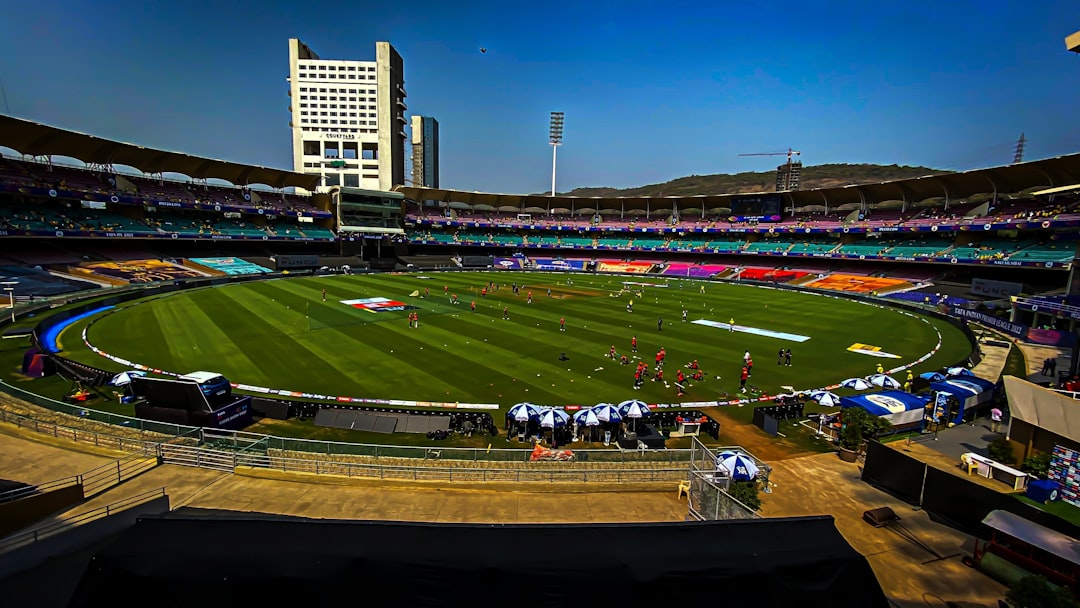
Cricket broadcasting has traversed a transformative path in recent decades, driven significantly by shifting fan expectations and rapid technological advances. The contemporary cricket viewer demands far more than basic coverage—they want immersive experiences, interactive engagement, and multi-channel accessibility. This article explores how cricket broadcasting continues its evolution, drawing parallels with broader sports broadcasting trends, and highlights the corporate strategic adaptations observed during major international events.
1. Understanding the Modern Cricket Fan: Preferences and Expectations
1.1 The Rise of On-Demand and Multi-Platform Consumption
The modern cricket fan increasingly consumes content across diverse platforms—not just traditional television but digital streaming, mobile apps, and social media. This mirrors a wider trend in sports broadcasting where fans expect instant access to highlights, live scores, and expert analysis anytime, anywhere. For example, regional cricket leagues now provide segmented live updates and player-specific stats in vernacular languages, addressing local fan needs effectively.
1.2 Demand for Real-Time, Data-Driven Insights
Beyond mere ball-by-ball updates, fans seek data-rich commentary that enhances their cricket understanding. Advanced metrics like wagon wheels, heat maps, and predictive analytics are becoming standard offerings in broadcasts, catering to enthusiasts who want tactical depth. This facet of cricket strategy analysis fundamentally changes fan engagement.
1.3 Social Interaction and Community First Features
Engaging with fellow fans while watching cricket live has become critical. Integrated comment streams, fan polls, and exclusive forums help recreate the stadium atmosphere virtually. This social aspect is a significant driver behind new media strategies focused on community inclusiveness.
2. Technological Innovations Powering Broadcast Evolution
2.1 Ultra HD and VR Broadcasts: Immersive Viewing Experiences
With 4K Ultra HD becoming accessible and VR experiments underway, cricket broadcasting seeks to provide more immersive experiences. These technologies allow fans to feel as if they are in the stadium, seeing multiple camera angles and close-ups that traditional broadcasts can’t deliver. The potential for VR commentary rooms and live immersion is being actively explored.
2.2 Integration of AI and Machine Learning
AI-powered tools analyze player movements, predict match outcomes, and automate highlights generation with high precision. These capabilities enrich the broadcast narrative and allow personalized content delivery to different user segments. For a deeper dive into AI's role across industries, see The Rise of AI in Content Creation.
2.3 Multi-Device Sync and Second Screen Experiences
Fans use multiple devices simultaneously to consume cricket content. Broadcasters now implement multi-screen sync features, where live commentary, stats, and social interactions are synchronized with the main event on TV or streaming apps, enhancing the overall experience.
3. Media Strategies: Learning from Other Sports and Markets
3.1 Cross-Sport Lessons on Fan Engagement
Cricket broadcasting has gleaned substantial insights from FIFA and other global events, notably in how TikTok and other social media platforms boost fan engagement through short, viral content clips and interactive challenges. This parallels strategies outlined in Leveling Up: How FIFA and TikTok are Transforming Fan Engagement.
3.2 Regional Language Coverage as a Growth Lever
Expanding coverage in local languages builds deeper emotional bonds with diverse fan bases, a strategy increasingly adopted in cricket leagues worldwide. Customized audio channels, subtitles, and in-app notifications personalize the experience aligning with fans’ cultural contexts.
3.3 Sponsorship and Brand Integration Evolution
Modern cricket broadcasting incorporates seamless brand integrations tailored to fan data insights. Sponsorships now extend into digital activations, in-app promotions, and interactive ads, enhancing commercial yields while maintaining viewer engagement without disruption.
4. Corporate and Commercial Implications at Global Cricket Gatherings
4.1 The IPL and ICC World Cup as Innovation Hotbeds
These major events act as crucibles for testing new broadcast formats, technology deployments, and fan engagement tools. For example, the IPL’s partnership-driven app features deliver real-time merchandise offers and ticketing integrations during match breaks, exemplifying monetization and user retention synergies.
4.2 Broadcasting Rights and Global Reach Expansion
Cricket boards and media companies are renegotiating rights deals to include multi-platform rights, ensuring global distribution with region-specific packages. This broadens cricket’s reach and maximizes revenue potentials, especially in emerging markets interested in localized content.
4.3 Data Privacy and Regulatory Considerations
With greater data collection to personalize experiences, broadcasters face the challenge of compliance with evolving regulations globally. Transparent data use policies build trust with fans and are now an important part of media strategies.
5. Experience Enhancement: The Role of Interactive Technologies
5.1 Augmented Reality (AR) for Enhanced Match Context
AR overlays on broadcasts enable viewers to access player stats, historical comparisons, and immediate tactical insights live during matches without interrupting the viewing flow. This technology enhances understanding and fan retention substantially.
5.2 Interactive Analytics Dashboards
Customized dashboards allow fans to deep dive into match statistics relevant to their interests, such as bowler economy or partnership progression. They can compare players’ performance in various conditions, contextualizing data beyond simple scorecards.
5.3 Gamification and Fantasy Cricket Integration
Incorporating fantasy league stats and gamified interactions directly into broadcasts emboldens fans to engage more deeply with the sport. These features increase session times on platforms and enhance overall fan satisfaction.
6. Digital Media’s Expanding Influence on Cricket Coverage
6.1 The Shift from Traditional TV to OTT Platforms
Over-the-top (OTT) streaming platforms offer greater flexibility and interactivity than traditional broadcasts. They allow multiple camera angles, DVR-like pause and rewind, and real-time stats overlays, catering perfectly to the digitally native fan.
6.2 Social Media as a Real-Time News and Reaction Hub
Social platforms serve as key sources for quick updates, expert commentary, and fan sentiments. Broadcasters actively monitor social chatter to adapt narratives and amplify engagement, fostering dynamic community connections.
6.3 Mobile-First Content Strategies
Since a significant portion of fans watch cricket on mobile devices, broadcasters prioritize mobile-optimized highlights, push notifications for wickets or milestones, and instant replay-sharing features. This approach ensures sustained attention and convenience.
7. Challenges in Cricket Broadcasting Evolution
7.1 Balancing Commercialization with Fan Experience
Too many advertisements or intrusive brand placements can erode viewer satisfaction. Striking the right balance is critical to retaining loyal audiences while maximizing sponsorship revenues.
7.2 Overcoming Infrastructure Limitations in Emerging Markets
Bandwidth constraints and limited device capabilities restrict access for some fans. Delivering optimized, low-data yet rich broadcasts remains a technical challenge that broadcasters are actively addressing.
7.3 Ensuring Authenticity and Trustworthiness
With rampant misinformation and subpar unofficial commentary on social channels, official broadcasters must assert their authoritative voice through accurate, timely, and data-backed content. This enhances trust and fan loyalty.
8. Future Outlook: What Comes Next in Cricket Broadcasting?
8.1 Personalized Fan Experiences Powered by AI
Machine learning algorithms will increasingly tailor highlight reels, commentary styles, and player focus to individual fan preferences, transforming consumption into a uniquely personal journey.
8.2 Blockchain and NFT Integration for Exclusive Content
Emerging technologies like blockchain could authenticate and monetize exclusive broadcast content or memorabilia, providing new revenue streams and fan connection opportunities.
8.3 Greater Use of Wearable Tech for Player Insights
Wearables tracking biometric data can feed into broadcasts, offering fans unprecedented insights into player fitness, stress levels, and stamina, enhancing storytelling depth.
Comparison Table: Traditional vs. Modern Cricket Broadcasting Features
| Feature | Traditional Broadcasting | Modern Broadcasting |
|---|---|---|
| Platform | TV & Radio | TV, OTT, Mobile Apps, Social Media |
| Viewer Interaction | Limited to phone-ins or in-stadium | Live polls, social chats, fan forums |
| Quality | Standard Definition | 4K, HDR, VR, AR |
| Data Integration | Basic scorecards | Advanced analytics, AI predictions |
| Language Options | Few regional languages | Multiple regional and vernacular options |
Pro Tip: To maximize fan engagement, broadcasters should integrate live data visualization tools alongside seamless social media interactions, providing an all-encompassing digital stadium atmosphere.
FAQ: Adapting Cricket Broadcasting to Modern Fans
1. How has digital media changed cricket coverage?
Digital media introduced multi-platform accessibility, real-time updates, interactive features, and personalized content, vastly enriching the fan experience compared to traditional broadcasts.
2. What technologies are enhancing cricket broadcasts today?
Ultra HD, VR/AR, AI-driven analytics, multi-device synchronization, and interactive dashboards are some cutting-edge technologies transforming cricket coverage.
3. Why is regional language broadcasting important?
It helps reach wider audiences by catering to linguistic and cultural preferences, fostering deeper fan loyalty and inclusivity across markets.
4. How do broadcasters balance commercialization and fan experience?
By integrating unobtrusive sponsorships and interactive brand content that add value without disrupting the viewing experience.
5. What future trends will shape cricket broadcasting?
Increased personalization via AI, blockchain-based exclusive content, and biometric data-driven storytelling from wearable tech are expected to revolutionize cricket broadcasts.
Related Reading
- Leveling Up: How FIFA and TikTok are Transforming Fan Engagement - Insights into how other sports have innovated fan engagement through digital platforms.
- The Rise of AI in Content Creation: Opportunities and Risks for Businesses - Detail on AI roles that enrich sports content creation and broadcast.
- Experts Breaking Down T20 Strategies - For fans wanting detailed tactical cricket analysis enhancing broadcast depth.
- Game Time Tech: The Best Gear for Indoor and Outdoor Sports Viewing Experiences - Improving fan viewing environments through technology.
- Planning Your Commute Around the Big Game: A Commuter's Guide - How fans can better manage watching live sports amid busy schedules.