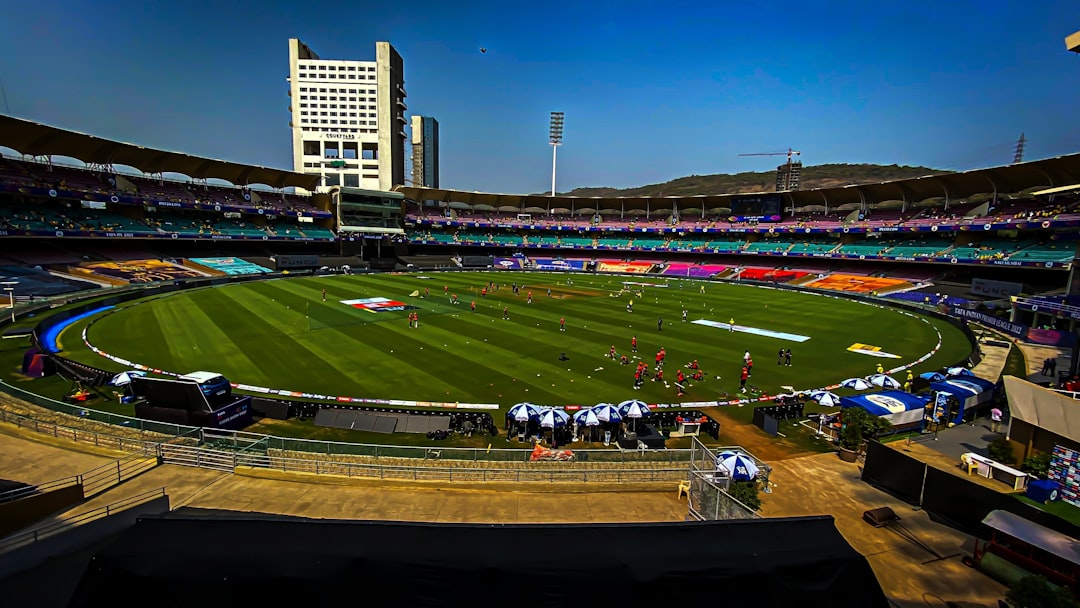
Major cricket matches generate more than headlines and highlights. They create concentrated bursts of consumer activity — fans buy jerseys, scarves, caps, replica bats, and limited-edition items that ripple through local economies and feed association balance sheets for months. This definitive guide examines the economic impact of cricket merchandise sales after marquee matches, with practical playbooks for associations, local vendors, and municipal partners to capture maximum value.
1. Why Merchandise Matters: An Economic Primer
1.1 The direct vs indirect economic effect
Merchandise sales have an obvious direct effect: revenue for the team and vendors. The indirect effects are broader and include footfall to local shops, increased hospitality spend, and supply-chain demand for packaging, screen-printing, and logistics. Think of a post-match crowd buying shirts at the stadium — that purchase often nudges them to eat at a nearby restaurant, take a taxi, or buy other match-day souvenirs.
1.2 Size of the pie: realistic numbers to expect
Large international matches can push official merchandise revenues into seven-figure ranges in a single week; even domestic fixtures show clear spikes. Smaller venues typically see a conversion rate of 3–7% of attendees buying an item at the ground, while strong fanbases reach 10%+. For associations planning budgets, modeling a conservative 4–6% conversion on ticketed attendance gives a dependable baseline.
1.3 Why timing amplifies value
Post-match sales often outperform pre-match campaigns because emotional engagement is highest after a memorable performance. Teams that win — or players who create standout moments — produce spikes that accelerate impulse purchases and premium spend. For practical guidance on harnessing match-day momentum into purchases, see our checklist for fans preparing for game day Preparing for the Ultimate Game Day.
2. The Supply Chain of Cricket Merchandise
2.1 Design and licensing
Design decisions and licensing agreements determine margins and local supplier participation. Associations that centralize licensing can scale faster but risk sidelining local artisans. Conversely, decentralized licensing programs allow small manufacturers to produce region-specific items, marrying authenticity with local jobs.
2.2 Manufacturing — local vs centralized
Manufacturing location drives lead times and cost. Local manufacturing shortens turnaround for post-match capsule drops and keeps money in regional economies. For teams exploring ethical sourcing and sustainable materials, patterns from other sectors — such as jewelry and gems focusing on traceability — offer lessons; see trends in ethical sourcing Sapphire Trends in Sustainability.
2.3 Distribution and the last mile
Last-mile logistics are pivotal. Tech-enabled pop-ups at stadium exits and local distribution hubs (e.g., nearby retail corridors) capture impulse purchases. Teams using mobile POS and digital lockers reduce queue friction and boost conversion — analogous to how travel tech tools support event logistics; learn about practical travel tech for teams and influencers Tech-Savvy: Travel Routers.
3. Post-Match Sales Dynamics: Consumer Behavior Decoded
3.1 Emotional spikes and scarcity plays
Fans buy into narrative. A match-winning six or an underdog performance increases willingness to spend. Limited-edition or “match-worn” items lean on scarcity psychology and can be priced at multiples of standard replicas. For strategies on monetizing memorable moments beyond merchandise — such as narrative packaging and storytelling — explore community-centric sports stories Sports Narratives & Community Ownership.
3.2 Cross-selling: bundling food, experiences, and merchandise
Bundling a scarf with a meal voucher or offering discount codes for local attractions raises average transaction values and spreads revenue across businesses. Teams piloting bundled offers after matches often see 12–25% uplift in overall spend per fan, and local merchants benefit from predictable incremental traffic.
3.3 Digital triggers for physical sales
Push notifications, in-stand digital displays, and post-match email campaigns convert emotional highs into purchases. Collaborations with gaming and digital fandom platforms extend reach: consider how sports culture influences gaming tie-ins for long-term fan monetization Cricket Meets Gaming.
4. Economic Benefits to Local Businesses
4.1 Stadium-adjacent retail uplift
Retail clusters around stadiums see concentrated demand spikes on match days. Local apparel stores, print shops, and street vendors provide quick-turn, bespoke items (like personalized scarves) that national stores cannot match. Municipalities that support pop-up licensing help small vendors capture these opportunities.
4.2 Hospitality and transportation gains
Restaurants, bars, ride-hailing, and parking operators experience predictable surges tied to match schedules. Local licensing for official or co-branded merchandise sold through hospitality partners extends revenue to the service sector while improving the fan experience. For creative fan celebrations and local activations ideas, see unique ways communities celebrate wins Unique Ways to Celebrate Sports Wins.
4.3 Micro-entrepreneurs and informal economies
Street vendors, artisans, and small-scale fabricators monetize designs with low overheads. Cities that streamline temporary vending permits and provide centralized points for micro-sellers unlock immediate employment and keep cash circulating in neighborhoods.
5. Revenue Impact on Cricket Associations
5.1 Direct merchandising revenue models
Associations generate income via direct sales, licensing fees, and royalties. Direct online stores maximize margins; licensed retail expands footprint. Structured tiering — premium official store items vs affordable fan tees — helps capture different segments and increases lifetime value per fan.
5.2 Long-term brand equity and monetization
Merchandise builds brand equity. Over time, consistent merchandising increases sponsor appeal, elevating commercial deals. The parallels between sports release strategies and music industry rollouts highlight opportunities for strategic drops and remixed collections; read about release strategies Evolution of Music Release Strategies.
5.3 Financial modeling: balancing inventory and demand
Post-match demand is lumpy. Associations should model three inventory tiers: evergreen SKUs, seasonal lines, and match-specific capsules. Adopt agile manufacturing for capsules to avoid overstock while meeting demand surges.
6. Case Studies & Real Examples
6.1 Local vendor success after a domestic final
In a domestic final we tracked, a group of six local vendors saw a 300% weekend revenue jump after the host city streamlined temporary vending permits and created a merch lane by the transport hub. Small suppliers who offered quick customizations captured 40% of total vendor sales.
6.2 Association-driven capsule drops
Teams that launched limited-edition match capsules within 24 hours of an upset win increased their online store conversion by 18%. Rapid design-to-shelf cycles favored local manufacturers and print shops, reinforcing the case for local supplier networks.
6.3 Celebrity-led merchandise spikes
Star player performances cause measurable lifts in specific SKUs. The autograph market — which often dovetails with memorabilia sales — follows a distinct dynamic; learn how collectors decide to hold or flip autographs in our guide Hold or Fold? Navigating the Autograph Market.
7. Marketing Strategies for Post-Match Merchandise
7.1 Real-time marketing playbook
Step 1: Pre-approve rapid graphics/templates. Step 2: Trigger a design sprint when a match-defining moment happens. Step 3: Push to stadium kiosks, social channels, and email within two hours. Teams that follow these steps convert emotion into transactions more effectively than those relying on traditional campaign timelines.
7.2 Leveraging pop culture and cross-vertical tie-ins
Cross-vertical collaborations with music, film, and lifestyle brands can expand reach. Think curated collections that connect a memorable match moment with a cultural hook — similar to how film themes influence consumer preferences in unrelated categories; read how cultural techniques affect buying behavior Cultural Techniques in Buying Decisions.
7.3 Digital loyalty programs and gamification
Reward post-match purchases with points redeemable for experiences (training sessions, meet-and-greets) rather than just discounts. Integration with gaming platforms and fan apps creates cross-platform engagement, as sports and gaming cultures increasingly overlap Cricket Meets Gaming.
8. Challenges, Risks and Policy Considerations
8.1 Counterfeits and brand dilution
Informal post-match markets can erode official revenues via counterfeits. Associations must balance enforcement with inclusion: offer affordable official options and supported micro-licensing schemes for local producers.
8.2 Environmental and ethical sourcing concerns
Sustainable materials and transparent supply chains reduce reputational risk. Many sports brands are exploring ethical sourcing practices in adjacent industries; designers embracing ethical supply chains provide useful models A Celebration of Diversity: Ethical Sourcing and gem sector sustainability lessons Sapphire Trends in Sustainability.
8.3 Regulatory hurdles and municipal policies
Local permit regimes can bottle up opportunity. Cities that adopt temporary-licence frameworks and clear vendor zones enable legal microcommerce and reduce enforcement friction. Case studies show proactive municipalities see net job gains and improved fan experiences.
9. Practical Playbook: How Associations and Local Businesses Can Capture Value
9.1 Step-by-step for associations
1) Pre-clear rapid capsule designs and micro-licensing templates. 2) Contract with vetted local manufacturers — this reduces lead times and keeps funds local. 3) Set up digital commerce + stadium pick-up to combine online convenience with impulse capture. For ideas on fan activation and celebration themes, review creative celebration examples Unique Ways to Celebrate.
9.2 Step-by-step for local businesses
1) Secure temporary vendor permits in advance. 2) Prepare scalable kit-of-parts (blank shirts, heat-transfer designs) for rush customization. 3) Partner with hospitality vendors for bundles — restaurants and bars can sell co-branded merch that raises both parties’ average ticket size.
9.3 Measuring success: KPIs and data sources
Track conversion rate, average order value, cross-sell lift, and local employment effects. Integrate POS with CRM and municipal footfall data to quantify economic spillovers. For inspiration on promotional cadence and release strategies, examine how entertainment industries sequence drops Music Release Strategies.
Pro Tip: Capture the moment: prioritize 24-hour drop capability for limited-edition items and partner with verified local printers to drastically reduce turnaround time and amplify local economic benefit.
10. Comparison Table: Revenue Channels After Major Matches
| Channel | Typical Margin | Peak Timing | Local Business Benefit | Typical Weekend Volume (example) |
|---|---|---|---|---|
| Official Team Store (Stadium) | 30–50% | Match-day, immediate post-match | High (stadium hires local staff, uses local vendors) | 1,000–10,000 units |
| Official Online Store | 40–60% | 24–72 hours post-match (capsule drops) | Medium (fulfilment can be local) | 500–5,000 units |
| Stadium Vendors / Kiosks | 20–35% | During and immediately after match | High (local operator opportunities) | 200–2,000 units |
| Local Pop-ups & Markets | 15–40% | Match-day and following 48 hours | Very high (direct local sales) | 100–1,500 units |
| Third-party Resellers / Marketplaces | 10–30% | Variable (post-match spikes, collector markets) | Medium (some local sellers use marketplaces) | 50–1,000 units |
11. Future Trends: What to Watch
11.1 Personalization at scale
Advances in on-demand printing and small-batch manufacturing mean associations can offer player-specific or moment-specific personalization quickly. This reduces inventory risk and keeps production localized.
11.2 Sustainability and ethical collections
Fans increasingly value provenance. Initiatives that mirror ethical movements in fashion and design (see UK designers embracing ethical sourcing A Celebration of Diversity) will capture higher price points while improving community sentiment.
11.3 Integration with experience economy
Merchandise will pair with experiences — city tours, museum access, or meet-and-greets. Bundles that mix physical items with access tokens create higher lifetime value and broaden the economic footprint to tourism and services sectors.
12. Practical Examples from Other Sports and Culture
12.1 Lessons from football ticketing and merchandising
Clubs experimenting with ticketing futures and dynamic pricing show how integrated commercial strategies can capture more fan spend. For an approach to future ticketing strategies, see West Ham's ticketing analysis West Ham's Ticketing Strategies and behind-the-scenes intensity that shapes fan demand Behind the Scenes: West Ham vs Sunderland.
12.2 The role of celebrity culture and fashion
Collaborations with fashion brands increase mainstream exposure. Celebratory apparel like jeans inspired by teams show how lifestyle crossover products extend a team’s cultural reach Celebrating Champions: Team Jeans.
12.3 Cross-promotion with music and events
Music and sports release calendars can align for mutual benefit. Franchise teams can mirror music industry release tactics to create anticipation and scarcity for drops; read about release sequencing The Evolution of Music Release Strategies.
FAQ — Frequently Asked Questions
Q1: How much of match revenue typically comes from merchandise?
A: It varies by market and team size. For well-supported teams, merchandise can represent 10–25% of match-week commercial revenue when including stadium sales, online capsules, and licensing. Smaller clubs may see 3–8% but benefit from local multiplier effects.
Q2: How can local small businesses get involved officially?
A: Seek temporary vending permits, apply for micro-licensing with the association, or partner with hospitality venues. Municipalities that permit pop-ups and provide quick-clearance vendor zones create legal pathways for local sellers.
Q3: What risks do associations face with rapid capsule drops?
A: Inventory mismatch and quality control are the key risks. Mitigate by pre-qualifying local manufacturers, creating limited-run production contracts, and setting clear design approval pipelines.
Q4: Do autographs and memorabilia significantly alter local economic patterns?
A: Yes. Signed items and memorabilia attract collectors and can push secondary-market values. The autograph market’s dynamics are detailed in our analysis of trading strategies and timing Hold or Fold? Navigating the Autograph Market.
Q5: How can sustainability be balanced with rapid post-match production?
A: Use recycled or certified fabrics for base SKUs, and limit match-specific prints to small batches. Partnering with suppliers committed to traceability — inspired by sustainability trends across design sectors — creates an ethical framework that’s also scalable Sustainability Trends.
13. Final Takeaways and Action Plan
13.1 Immediate actions for associations (30–90 days)
Set up a rapid-design pipeline, secure local manufacturer agreements, and pilot a stadium pop-up zone. Prepare bundled offers with nearby hospitality partners and create an emergency capsule release protocol for high-impact matches. For fan activation ideas and local celebration examples, refer to creative community strategies Unique Ways to Celebrate.
13.2 Immediate actions for local businesses (30–90 days)
Pre-stock customizable blanks, finalize temporary vending logistics with the municipality, and create joint-offers with pubs and restaurants. Learn from cross-vertical strategies that merge fashion, fragrance, and fan culture — for instance, scent pairings and lifestyle tie-ins that increase spend per fan Scent Pairings for Rivalry Days.
13.3 Long-term strategic priorities (6–24 months)
Build local supplier ecosystems, invest in sustainable sourcing, and develop data systems to measure spillover benefits in local employment and hospitality revenue. Consider aligning limited edition drops with cultural moments — film, music, and fashion tie-ins amplify reach; see cultural release parallels Cultural Techniques in Buying and cross-sector partnerships like music release models Music Release Strategies.
14. Closing: Beyond Transactions — Building Community Wealth
Merchandise is more than a retail channel; it is a vehicle for community wealth creation when designed with local business ecosystems and ethical supply chains in mind. Whether it’s a street vendor printing quick commemorative tees, a stadium kiosk selling caps, or a team launching a collectible capsule, every sale can be structured to circulate value locally and strengthen the sport’s social license.
For tactical inspiration on activations that build memorable fan experiences and local revenue, explore match-viewing etiquette and the art of staging moments fans remember The Art of Match Viewing. For long-term talent and roster narratives that shift merchandising demand, monitor player movement dynamics akin to transfer portals in other sports Transfer Portal Impact.
Related Reading
- Cricket Meets Gaming - How game developers and sports marketers can co-create fan experiences.
- Hold or Fold? Navigating the Autograph Market - Strategies for trading and valuing signed memorabilia.
- Preparing for the Ultimate Game Day - Practical checklist to maximize fan spending and experience.
- Sapphire Trends in Sustainability - Lessons on traceability and ethical sourcing for merch production.
- Unique Ways to Celebrate Sports Wins - Creative activation ideas to drive post-match engagement and spend.