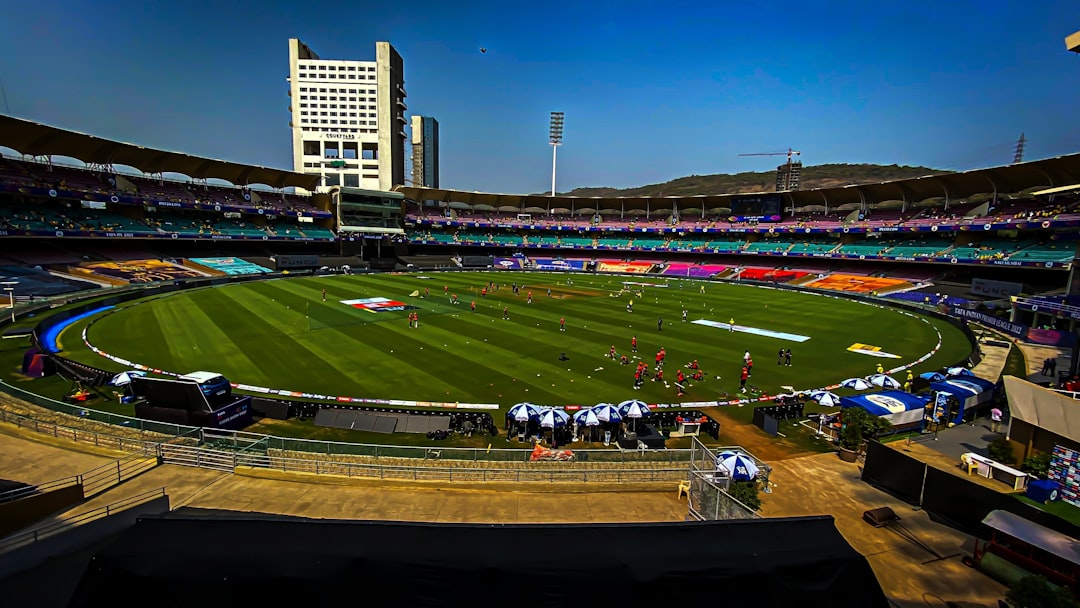
Stadium food is no longer just about filling seats with hot dogs and popcorn. Today, fans expect better flavor, cleaner sourcing, clearer nutrition, and a concession experience that feels aligned with their values. At the same time, operators are under pressure from volatile ingredient pricing, labor constraints, and rising energy and packaging costs. That is why sustainable concessions are becoming less of a branding exercise and more of an operating strategy that can protect margins while improving the fan experience.
The smartest venue operators are approaching this shift with the same discipline they use for ticketing, media, and crowd flow. They are treating menu design like a profit engine, procurement like a risk-management function, and waste reduction like a measurable KPI. If you want a broader look at how fan behavior and demand can be translated into revenue decisions, our guide on sports coverage that builds loyalty shows how audience trust is built through consistency, timing, and relevance. That same logic applies to food and beverage operations: fans reward venues that make thoughtful, visible improvements.
This pillar guide breaks down the economics behind sustainable concessions, forecasts how input costs may evolve, and maps the practical tactics that can cut waste, lower carbon, and preserve the taste and texture fans actually buy tickets for. The goal is not to “green” the menu in a way that weakens the product. The goal is to build a concession model that is stronger, smarter, and more resilient in the face of uncertainty.
1) Why Sustainable Concessions Are Becoming a Financial Strategy
Input costs are still the headline risk
The latest food and beverage manufacturing outlook suggests a mixed but important backdrop for stadium operators. One key takeaway is that price relief may appear in certain raw materials, but demand remains uneven and uncertainty is still high. The FCC’s latest report forecasts modest sales growth in 2026, driven mostly by higher prices rather than stronger volumes, while input costs have been elevated by supply disruptions and commodity shocks. For operators, that matters because concession margins can be squeezed from both ends: suppliers pass on higher costs while fans remain price-sensitive.
The practical implication is clear. Operators who wait for the market to “normalize” may get caught paying more for the same basket of ingredients. A smarter approach is to use menu engineering, local sourcing, and supplier partnerships to reduce exposure before the next spike hits. For a broader lens on navigating market volatility and pass-through costs, see navigating tariff impacts, which mirrors the same procurement logic stadium buyers need.
Fans are rewarding authenticity, not greenwashing
Modern fans can spot performative sustainability from a mile away. A sign that says “eco-friendly” means very little if the menu is still dominated by low-quality, overly packaged items that travel poorly and generate heavy waste. On the other hand, a menu built around local suppliers, seasonal ingredients, and visibly reduced packaging signals competence and care. That difference matters because concessions are one of the few touchpoints fans interact with every game day, often multiple times.
There is a useful parallel with how brands market to specific communities. In consumer behavior and deal crafting, the central lesson is that audience alignment beats generic promotion. In stadium food, the equivalent is menu alignment: when fans see familiar regional flavors, trusted supplier names, and practical sustainability, they are more likely to buy and less likely to complain about price.
Carbon reduction and margin improvement can move together
Too often, sustainability is framed as a trade-off: lower emissions at higher cost. In concession operations, the opposite can happen when sustainability is used as an efficiency system. Fewer freight miles can reduce transport costs. Better forecasting can reduce spoilage. Better portion sizing can reduce food waste and labor time. Reusable or lighter packaging can cut procurement cost and trash disposal expenses. The key is to stop thinking of sustainability as a separate initiative and start treating it as an operating model.
Pro Tip: The best sustainability program in concessions is one that your finance team can read on a monthly P&L. If you cannot connect the initiative to waste, labor, spoilage, energy, or purchase price, it is not yet an operational program.
2) Forecasting Input Costs: What Operators Should Watch
Commodity easing may help, but not evenly
According to the FCC outlook, some key inputs such as cattle, hogs, canola, and cocoa may ease, creating potential relief for processors and downstream buyers. But that does not mean your stadium menu automatically gets cheaper. Costs often move unevenly across categories, and venues rarely buy ingredients in the same way factories do. A burger program may benefit from meat-cost moderation while a beverage or dessert program still faces pressure from packaging, sugar, dairy, or logistics.
That is why procurement should be organized by menu family rather than by supplier convenience. If you run a venue, your finance team should know which items are margin anchors, which items are traffic drivers, and which items are most vulnerable to cost inflation. If you are building this type of planning discipline, the playbook in a calendar-driven procurement playbook is useful because it emphasizes long-range supplier planning instead of reactive ordering.
Trade, tariffs, and geopolitics remain active risks
The FCC report also highlights tariff uncertainty, supply-chain disruptions, and geopolitical tensions as factors shaping the outlook. For concessions, this translates into an uncomfortable truth: a lower-cost menu today can become a higher-cost menu tomorrow if the supply base is too concentrated. Imported packaging, specialty sauces, frozen proteins, and certain beverages can all become vulnerable to freight disruption or policy shifts. The more global your menu, the more you need buffer strategies.
One of the clearest safeguards is supplier diversification. A resilient stadium menu typically has at least one local or regional fallback for key categories, even if that fallback comes at a slight premium. That premium is often cheaper than the operational hit from a stockout on a game day. For a practical mindset on navigating pricing turbulence, our guide on hunting under-the-radar local deals is a useful analogy for procurement teams looking beyond the obvious national vendors.
Energy and packaging should be treated as input costs too
When operators discuss food inflation, they often stop at ingredients. That leaves a large cost pool untouched. Energy costs influence refrigeration, cooking, holding, and dishwashing. Packaging costs affect every item that leaves a stand. Trash hauling and back-of-house handling also carry a cost. If your sustainability plan reduces waste but increases load times or hot-holding failures, the economics can deteriorate quickly.
To avoid that trap, teams should map each menu item by total served cost, not just recipe cost. This is where the logic of metrics and observability becomes especially helpful: the more precisely you measure serving cost, spoilage, sell-through, and labor minutes, the easier it becomes to identify which “green” moves actually save money.
3) Local Sourcing: The Fastest Path to Lower Emissions and Stronger Trust
Shorter supply chains improve resilience
Local sourcing is often discussed as a carbon story, but its real value in concessions is resilience. When you shorten the supply chain, you often reduce freight exposure, improve delivery predictability, and gain faster replenishment cycles. That can be a major advantage in stadium environments, where demand is concentrated into short windows and failure is visible to thousands of people at once. Local supply relationships also make it easier to adjust menu counts around weather, opponent strength, time of day, or special events.
The most effective local sourcing strategies are not based on ideology; they are based on a portfolio approach. A venue might source buns from a regional bakery, produce from nearby growers, and a signature sauce from a local partner while keeping a national supplier for backup. This balance preserves scale where needed and locality where it matters. The same principle appears in broader consumer strategy in sustainable nutrition, where better outcomes come from practical substitution rather than perfection.
Local items can become premium signature offers
Fans love items that feel tied to place. A regional bratwurst, a local craft beverage, or a stadium-exclusive vegetarian bowl featuring nearby produce can carry stronger emotional value than a generic mass-market offering. That emotional value supports pricing power, which is essential if your sustainability initiative is going to survive budget scrutiny. In many venues, local items also perform better on social media because they are easier to describe, photograph, and defend.
That is why local sourcing should be paired with story-driven merchandising. Menu boards should explain origin, quality, and partnership in one sentence. The relationship to fan psychology is similar to what we see in collaborative local creator drops: people will pay for something that feels scarce, authentic, and connected to the community. Food can do the same thing if it is positioned correctly.
Supplier partnerships should be multi-year, not transactional
Local sourcing fails when operators treat farmers, bakers, and specialty producers like spot-market vendors. Sustainable concessions require planning, forecast sharing, and predictable payment terms. In practice, this means sharing event calendars, expected attendance bands, and consumption patterns with partners well before opening day. It also means building practical guardrails around packaging sizes, delivery frequency, and replacement procedures.
For operators who need a template for how collaboration and brand alignment work, sponsorship scripts for tech-agnostic conferences show how clear expectations and structured messaging improve partnership outcomes. The same principle applies to food suppliers: the more clearly you define service levels, the more likely you are to get consistency, quality, and pricing stability.
4) Menu Engineering: How to Protect Margin Without Losing Taste
Design the menu around contribution, not tradition
Many concession menus are built around habit. Items stay because they always existed, not because they still perform. Menu engineering forces operators to rank items by popularity and contribution margin, then decide what deserves space, support, and promotion. In a sustainable concessions context, the best items are often those that are both profitable and operationally efficient: bowls, wraps, hand-held items, and dishes that share ingredients across multiple SKUs.
The engineering mindset also helps protect taste. When operators standardize core components such as sauces, slaws, grains, and proteins, they can reduce waste and maintain quality more consistently. For a broader parallel on how brands turn product mix into sharper performance, see how CPG brands use retail media to launch snacks, which illustrates how the right product architecture can create demand without relying on discounts alone.
Build “hero” items with shared ingredients
One of the easiest ways to reduce waste is to engineer a menu where several items share the same base ingredients. For example, a roasted chicken can anchor a sandwich, a rice bowl, and a salad topping. A seasonal vegetable mix can appear in a side dish, a vegetarian entrée, and a breakfast item. This cross-utilization increases purchasing power and lowers the odds that a single ingredient becomes a waste liability.
The practical advantage is huge. Shared ingredients improve prep efficiency, simplify training, and reduce the chance of one slow-selling item locking up inventory. The concept mirrors the logic in meal-prep freshness and waste reduction, where the right tools extend shelf life and improve consistency. In concessions, the “tool” is menu architecture.
Use price ladders to preserve fan choice
Sustainability does not mean every item must be premium-priced. A balanced menu should include entry-level options, mid-tier value items, and one or two premium signature offerings. That structure allows you to protect accessibility while still guiding higher-margin behavior. If the cheap item disappears, fans feel punished; if the premium item is the only good choice, price resistance rises. Menu ladders are how you keep both satisfaction and economics intact.
This is where one of the most overlooked tactics comes in: shrink the unprofitable part of the menu while improving the emotional appeal of the remaining items. If you need a mindset for assessing what to keep and what to cut, last-minute deal selection provides a useful analogy. The best operators know that not every option deserves shelf space, and not every discount deserves attention.
5) Food Waste Reduction: The Hidden Margin Lever
Forecast demand more precisely
Food waste is often a forecasting problem disguised as a kitchen problem. If a venue overproduces for a weekday game or underestimates demand at a high-profile rivalry match, the result is spoilage, overtime, or both. The solution is not simply “better staffing”; it is better predictive planning. Use historical attendance, weather, team performance, gate timing, and special-event overlays to set prep levels, not just total attendance estimates.
Advanced operators are also using sales curves from previous matches to determine when to cook, batch, and replenish. That keeps food fresher and lowers the amount of inventory that must be held hot or cold for too long. The discipline resembles the analytical framework in statistical analysis templates, where structured data turns guesswork into repeatable decisions.
Reduce trim waste and portion drift
Waste is not just what gets thrown out at the end of the night. It also includes knife trim, over-portioning, dropped product, and recipe inconsistency. Small deviations in portion size may feel harmless, but across a season they can erase margin. Standardized scoops, measured ladles, digital recipe cards, and visible prep controls are among the easiest low-cost interventions a venue can adopt.
This is an area where training and accountability matter. If one location serves 15% more fries per portion than another, the sustainability issue is also a margin issue. A similar operational discipline appears in leader standard work, where consistent routines raise output quality and reduce variability. Stadium kitchens benefit from that same approach.
Redirect unsold food intelligently
Not all surplus needs to become landfill. Some venues can deploy donation partnerships, staff meal programs, or next-day transformation plans that convert surplus into safe, saleable items. For example, roasted vegetables can become soups or bowls the next day, while certain bakery products can move into breakfast offers or bundled promotions. The key is to design these pathways in advance rather than improvising when the event ends.
Technology and process discipline can help here. Operators who want a broader perspective on how systems reduce friction should look at DIY audit checklists as a model for repeatable review routines. The concession version is a nightly waste audit, where teams log unsold items, causes, and remediation steps before the data gets lost.
6) Packaging, Energy, and Back-of-House Design
Packaging should serve speed, sustainability, and quality
Too much packaging drives up cost and waste. Too little packaging causes leaks, soggy texture, and poor fan experience. The best solution is packaging designed by use case: hot foods, cold foods, carry-out distance, premium items, and quick-consumption products each need different specifications. Compostable or recyclable packaging is only valuable if local waste systems can actually process it, so venue operators should verify end-of-life pathways before making claims.
Packaging also affects throughput. A container that stacks better, seals faster, or reduces spillage can save labor time even if its unit price is slightly higher. That trade-off should be measured item by item. For a consumer-facing example of how product design affects perceived value and functionality, see smartwatch deal strategy, where the right feature mix determines whether a premium is justified.
Energy efficiency starts in the kitchen
Refrigeration, exhaust, holding cabinets, and dishwashing equipment all consume meaningful energy. If equipment is outdated or poorly maintained, energy costs rise and food quality can suffer. Preventive maintenance is therefore a sustainability and food-safety issue, not just a facilities issue. It also matters for carbon reduction because every wasted kilowatt has a cost footprint.
In larger venues, the most effective energy savings often come from timing. Cook closer to demand, reduce idle equipment time, and consolidate hot-hold zones. Good planning reduces energy intensity while improving freshness. The broader logic resembles what businesses learn in cost-effective home comfort upgrades: energy efficiency is often less about one big purchase and more about cumulative small improvements.
Back-of-house layout can shrink waste instantly
Where ingredients are stored, prepped, and moved has a direct effect on spoilage and labor. If a prep table is too far from the line, products are dropped more often. If refrigeration is poorly organized, older stock gets buried and forgotten. If dish return routes cross food assembly paths, delays and contamination risks rise. Sustainable concessions are often won or lost in these mundane layout decisions.
The best operators map back-of-house movement the way a logistics team maps freight flow. They study bottlenecks, redesign workstations, and test micro-changes before scaling them across the venue. That systems-first mindset is similar to the logic behind fleet and IoT command controls: the safest, most efficient operations usually come from clear routing, control, and visibility.
7) How to Build Supplier Partnerships That Support Sustainability and Margin
Share demand data, not just purchase orders
Supplier partnerships work best when both sides can plan. Instead of placing orders in isolation, venues should share attendance projections, event calendars, seasonality data, and menu changes early enough for suppliers to optimize production. This helps vendors hold better pricing, reduce emergency freight, and avoid waste of their own. When suppliers can plan, they often become more flexible on price or service.
That transparency also protects quality. A partner who knows your game-day spikes can pre-stage deliveries, substitute in-season items, and help refine specs that reduce spoilage. If you want a useful parallel in how information-sharing improves decision quality, see data portability and tracking best practices, where clean handoffs create better outcomes across systems.
Negotiate for outcomes, not just unit price
Too many procurement conversations focus on the price per case. In sustainable concessions, the better metric is total delivered value. That includes fill rate, spoilage reduction, delivery reliability, packaging quality, and the supplier’s ability to collaborate on menu optimization. A slightly higher unit price can still be the best deal if it cuts waste and labor enough to improve net margin.
Operators that manage this well often use multi-year agreements with benchmark clauses. Those contracts can include volume commitments in exchange for price stability, local sourcing goals, and emergency supply obligations. The concept resembles smart financial planning in family plan savings, where the real value comes from structured commitments rather than one-off discounts.
Use seasonal menus to strengthen buying power
Seasonal menus are not just a sustainability statement. They are a procurement advantage. When you shift with harvest cycles, you often get lower costs, better quality, and better flavor. Fans also notice freshness. A summer menu with tomatoes, berries, and grilled vegetables will feel more compelling than a year-round frozen template. The key is to change with purpose and preserve signature items that anchor the fan experience.
This strategy aligns well with the broader idea of audience relevance in using social data to predict customer demand. If a venue tracks what fans actually share, post, and buy, the menu can evolve toward more desirable products while staying operationally efficient.
8) Fan Values, Storytelling, and the Commercial Case for Sustainability
Fans buy into visible proof, not abstract promises
Fans are more likely to support sustainable concessions when they can see the proof in the product and the process. That proof may include local farm names, waste-reduction milestones, composting information, or packaging improvements. But it must be concrete. Broad claims about “planet-friendly” operations without specifics usually feel hollow. The venue should tell fans exactly what changed, why it matters, and how it improves the experience.
This is where storytelling becomes part of the menu strategy. A local burger bun sourced from a regional bakery is more compelling when the menu board explains it. A vegetarian bowl is more appealing when it is framed as both flavorful and lower-waste. If you need a useful example of how creative presentation changes audience response, see retail display posters that convert, which shows how visibility and design shape conversion.
Regional-language and community-first messaging matters
For diverse fan bases, sustainability messaging should not feel exclusive or technical. Venues can adapt signage and digital content for local languages, community preferences, and cultural food habits. That matters because sustainable concessions must feel like an invitation, not a lecture. When fans see themselves reflected in the offer, they are more likely to trust the program and try new items.
Community resonance is also a form of retention. The more a venue feels rooted in local identity, the more likely fans are to return and spend. This principle is similar to the one behind building connections in creative communities, where shared identity and authentic participation strengthen loyalty over time.
Merchandise and tickets can reinforce the sustainability story
Operators should not ignore the commercial spillover from sustainability. Fans who trust your concessions are more likely to trust your broader venue brand, including tickets, memberships, and official merchandise. A coordinated message across food, retail, and fan engagement can deepen loyalty. In a sports environment, every touchpoint matters, and sustainability can become part of the venue’s identity rather than a back-of-house initiative.
That broader integration mirrors the logic behind maximizing viewer engagement during major sports events: when the entire experience feels consistent, valuable, and easy to understand, fans stay engaged longer and spend more willingly.
9) A Practical Playbook for Stadium Operators
Start with a 90-day audit
The fastest way to get traction is to audit your top 20 items by sales, margin, and waste. Identify which items create the most spoilage, which have the highest price volatility, and which can be locally sourced without quality loss. Then map every item to one of four categories: keep, redesign, replace, or retire. This prevents sustainability from turning into a vague initiative and turns it into a specific portfolio decision.
In parallel, review packaging, energy, and labor minutes. The best sustainability programs attack multiple cost layers at once, not one in isolation. For a structured way to think about prioritization and efficiency, coaching yourself with field-tested routines is a surprisingly apt model: assess, adjust, repeat.
Run small pilots before venue-wide rollout
Do not convert the entire menu at once. Test one stand, one gate, or one product family first. Measure sell-through, labor time, customer feedback, waste, and replenishment accuracy. If a local sourcing swap or a new bowl format improves margin and satisfaction, expand it. If it causes line delays or shrinkage, revise the recipe or service model before scaling.
This kind of controlled rollout is standard practice in other categories as well. Whether it is a pricing change or a new tech stack, the principle is the same: test before scale. Our piece on trend-driven workflow design offers a useful analogy for decision-making under uncertainty: use signals, not guesses.
Track the metrics that prove value
At minimum, operators should monitor food cost percentage, labor minutes per transaction, spoilage rate, packaging cost per item, energy use per transaction, and guest satisfaction by menu family. If a sustainable concession initiative improves emissions but hurts queue time or order accuracy, it will fail at the fan level. If it improves margin but damages taste, it will also fail. The point is to build a balanced scorecard that reflects the real business.
One helpful mindset is to treat these measures as a performance dashboard rather than a sustainability dashboard. That keeps leadership focused on outcomes instead of labels. For a broader example of performance-driven decision making, invest wisely is a reminder that good allocation is about expected return, not just the cheapest option.
10) The Bottom Line: Sustainability That Actually Scales
Lower carbon is only valuable if the system survives financially
The strongest sustainable concessions programs are not built on sacrifice. They are built on better systems. Local sourcing reduces freight dependence and deepens community ties. Menu engineering improves contribution margin while simplifying operations. Waste reduction cuts spoilage, trims labor inefficiency, and lowers disposal costs. Together, these moves improve the economics of the venue while making the food experience more relevant to modern fans.
The macro backdrop suggests that this work is not optional. Input costs remain volatile, demand is uneven, and trade uncertainty can pressure margins again at any time. Venues that build flexible supply networks and efficient menus will be better positioned than those that rely on blunt price increases. If you want a broader operating lens on how uncertainty affects consumer-facing industries, salary cap psychology offers a useful parallel: the most successful organizations allocate resources with discipline under constraint.
The best concession stands feel better, not just greener
Fans do not come to a stadium to admire an operations report. They come for atmosphere, ritual, and taste. Sustainable concessions work only when they make that experience better. The food should still be hot, flavorful, and easy to carry. The lines should still move. The pricing should still make sense. When sustainability is designed as an enhancer of quality and convenience, it becomes visible in ways fans actually appreciate.
That is why the future belongs to operators who can connect economics, sourcing, design, and fan values into one coherent system. They will use supplier partnerships to stabilize supply, menu engineering to improve profitability, and waste reduction to unlock hidden savings. They will tell a more trustworthy story because their results will be measurable. And in a market where every basis point matters, that combination is hard to beat.
Data Snapshot: What Sustainable Concessions Can Improve
| Operational lever | Cost impact | Carbon impact | Fan experience impact | Implementation difficulty |
|---|---|---|---|---|
| Local sourcing | Moderate savings from freight and spoilage reduction | Lower transport emissions | Stronger authenticity and freshness | Medium |
| Menu engineering | Higher margin through better item mix | Indirect reduction via lower overproduction | Faster service and better variety | Medium |
| Food waste audits | Immediate savings from reduced spoilage | Lower landfill and production emissions | More consistent quality | Low |
| Packaging optimization | Lower unit and disposal costs | Reduced material footprint | Less leakage and better portability | Low to medium |
| Supplier partnerships | Better pricing stability and fewer rush fees | Lower emergency freight and waste | More reliable product availability | Medium |
| Energy efficiency | Lower utility and equipment wear costs | Lower electricity and fuel demand | Improved holding quality | Medium to high |
Pro Tip: Start where savings are easiest to measure: waste, packaging, and top-selling menu items. Early wins build internal trust and fund larger sustainability investments later.
FAQ: Sustainable Concessions, Costs, and Carbon
1) Do sustainable concessions always cost more?
No. When they are implemented correctly, they often cost less over time because they reduce waste, optimize labor, and improve procurement efficiency. Some sustainable ingredients or packaging options may have a higher upfront price, but the total delivered cost can still be lower.
2) What is the fastest way to reduce food waste in a stadium?
The fastest wins usually come from better demand forecasting, tighter portion control, and nightly waste tracking. If a venue knows which games create the most overproduction, it can adjust prep volumes and cut spoilage quickly.
3) How can local sourcing improve margins?
Local sourcing can lower freight costs, reduce spoilage from long transit times, and improve delivery reliability. It can also support premium pricing when the product story is clear and the flavor is meaningfully better.
4) What menu items are best for sustainable concessions?
Items that share ingredients across multiple SKUs tend to perform best, such as bowls, wraps, salads, and signature hand-held items. These formats are easier to portion, easier to adapt seasonally, and less likely to generate waste than highly customized dishes.
5) How do you prove that sustainability is improving profitability?
Track food cost percentage, spoilage rate, packaging cost, labor minutes, and guest satisfaction before and after the change. If those metrics improve together, the initiative is likely helping both the P&L and the sustainability agenda.
6) Should venues prioritize carbon reduction or cost reduction first?
They should prioritize the move that unlocks both. In practice, waste reduction and local sourcing often offer the best dual benefit because they cut costs while lowering emissions and strengthening the fan story.
Related Reading
- Navigating Tariff Impacts: How to Save During Economic Shifts - Learn how supply shocks influence pricing and procurement strategy.
- A Calendar-Driven Procurement Playbook: Which F&B Trade Shows to Attend in 2026 and Why - Build supplier relationships before peak buying windows arrive.
- Meal-Prep Power Combo: How Blenders and Bag Sealers Extend Freshness and Cut Waste - Practical freshness tactics that translate well to stadium kitchens.
- Retail Display Posters That Convert: Designing for Visibility, Shelf Impact, and Fast Campaign Turnarounds - Use visual merchandising principles to boost concession conversion.
- Measure What Matters: Building Metrics and Observability for 'AI as an Operating Model' - A strong framework for turning operations into measurable performance.