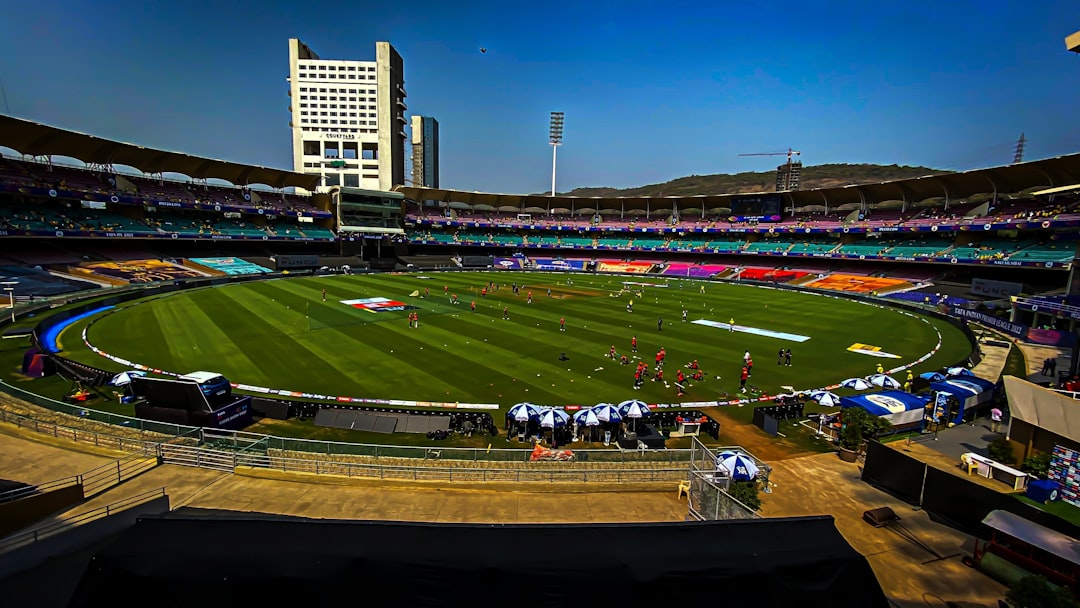
As cricket and other sports fans worldwide flock to increasingly sophisticated smart stadiums, concerns about stadium safety have come to the forefront. These high-tech venues promise unparalleled fan experiences, leveraging technology to enhance every aspect of attending an event—from buying tickets to real-time crowd management. Yet, as with other advanced infrastructure projects like smart motorways, questions about transparency and safety reports remain pressing. This deep dive explores how smart stadiums manage risks, the lessons learned from smart motorway safety debates, and what fans should demand to ensure their well-being during unforgettable matches and events.
1. Understanding Smart Stadiums: Technology Meets Sport
The Rise of Connected Venues
Smart stadiums integrate Internet of Things (IoT) sensors, AI-powered surveillance, crowd analytics, and enhanced communication systems to create seamless and interactive environments. These technologies improve event management by optimizing ticket scanning, concessions, and security checks in real-time.
Technology Enhancing Fan Safety
Beyond entertainment, technology in smart stadiums contributes significantly to safety. Features include facial recognition to identify persons of interest, heat sensors to detect crowd density, and digital signage that communicates evacuation routes swiftly during emergencies. For cricket venues, where crowds can number in the tens of thousands, these systems are vital.
The Promise Versus Reality
While innovations are impressive, the debate over actual safety remains. Are technological systems foolproof, and do they offer enough transparency to assure fans and authorities alike? The gap between hype and measurable safety benefits invites scrutiny, echoing concerns seen in other infrastructure projects, notably Britain's calls for transparency in smart motorways' safety.
2. Parallel Lessons: Transparency in Smart Infrastructure Safety
Smart Motorways as a Case Study
Smart motorways are designed to enhance traffic flow and safety via dynamic lane management and sensors. However, multiple incidents raised alarms about their actual safety, sparking demands for transparent safety reporting and independent reviews. The public outcry centers on undisclosed accident data and unclear safety guidelines.
Comparing to Smart Stadiums
Similarly, smart stadium operators often disclose limited safety data, creating skepticism about preparedness for disasters like stampedes or infrastructure failures. Stakeholders urge for comprehensive, publicly accessible safety reports to build trust among fans and regulators.
The Value of Transparency
Transparent reporting not only covers incident statistics but also risk assessment methodologies and routine safety audits. This openness drives accountability and enables continuous improvement, reassuring fans that technology genuinely enhances their safety rather than serving as a marketing gimmick.
3. Core Safety Challenges in Smart Stadiums
Crowd Density and Management
One of the largest risks in any stadium is overcrowding, which can lead to dangerous crushes. Smart stadiums employ real-time monitoring of crowd density using AI-driven cameras and sensor networks to preemptively manage flow. However, the reliability of these systems across all scenarios is a topic of active research and debate.
Emergency Evacuation Protocols
Effective evacuation depends on digital signage, public address systems, and trained staff. Smart stadiums add adaptive routing, modifying exit flows dynamically based on detected hazards. Despite these advancements, drills and clear communication remain crucial, underscoring that technology is a supplement, not a replacement, for human-led safety management.
Cybersecurity Threats
As with any digital infrastructure, smart stadiums face risks from cybersecurity breaches. Hacking could disable safety systems, spread misinformation, or disrupt services critical to fan safety. Hence, robust cybersecurity frameworks and incident response plans are indispensable components of stadium safety strategies.
4. Public Health and Safety Protocols in the Age of Smart Stadiums
Pandemic Preparedness and Disease Control
Smart stadiums integrate health data and environmental sensors to monitor air quality and enforce social distancing when necessary. Contactless services and biometric screenings help minimize infection risks, particularly important in times of global health crises.
Sanitation and Hygiene Technologies
Automated cleaning robots and antimicrobial materials have become standard in modern venues to maintain hygiene standards. Technology also supports structured entry and exit points to avoid bottlenecks, promoting public health safety during large-scale sporting events.
Accessibility and Inclusivity
Technological enhancements also foster safety for differently-abled fans by providing customized navigation apps, real-time assistance, and adaptive infrastructure. Inclusive safety therefore extends beyond physical threats to ensuring a supportive environment for all attendees.
5. Regulatory Frameworks and Industry Standards for Smart Stadium Safety
Global Safety Guidelines
Organizations like the International Association of Venue Managers (IAVM) and the World Health Organization (WHO) provide frameworks guiding stadium design and operations. Compliance with these standards is often mandatory, but enforcement varies widely.
Cricket Venues Specific Regulations
In cricket, venues must adhere to standards set by national cricket boards and local governments. These include structural integrity, crowd control measures, and emergency response capabilities. The synergy between regional requirements and global best practices paves the way for safer fan experiences.
Certification and Auditing Mechanisms
Regular third-party audits and certifications such as ISO 20121 for sustainable event management contribute to validated safety commitments. Documentation practices are crucial in providing public transparency, which remains an area demanding improvement across many smart stadiums.
6. Case Studies: Smart Stadium Safety in Action
The Narendra Modi Stadium, India
The world's largest cricket stadium has integrated multiple smart safety features, including drone surveillance and biometric entry gates. During major events, these systems enhance situational awareness and help avert potential incidents. For an in-depth review, see cricket venues analysis.
Tottenham Hotspur Stadium, UK
Equipped with an advanced digital control room and AI-powered crowd analysis, Tottenham's stadium represents a case where tech amplifies security operations. Nonetheless, transparency in safety reports remains a point of discussion among fans and oversight bodies.
Comparison Table: Safety Features Across Leading Smart Stadiums
| Stadium | Smart Safety Technology | Crowd Capacity | Transparency Level | Certification Status |
|---|---|---|---|---|
| Narendra Modi Stadium | Drone Surveillance, Biometric Entry, AI Analytics | 132,000 | High (Regular Updates) | ISO 20121 |
| Tottenham Hotspur Stadium | AI Crowd Analysis, Digital Control Room | 62,850 | Moderate (Selective Reporting) | Pending |
| MCG, Australia | Smart CCTV, Emergency Evacuation Sensors | 100,000 | High (Publicly Accessible) | ISO 20121 |
| Eden Gardens, India | Smart Lighting, Crowd Monitoring Sensors | 68,000 | Low (Limited Disclosure) | Local Standards |
| Wembley Stadium, UK | AI Surveillance, Dynamic Signage | 90,000 | Moderate (Periodic Reports) | ISO 20121 |
7. Fan Perspectives and Demands for Safety Transparency
Growing Awareness Among Fans
Fans today demand to know how stadiums protect them—not just through visible security but through accountable safety measures. Social media accelerates calls for transparency, similar to the public engagement seen in smart motorway safety debates.
Community-First Features and Safety
Smart stadiums are developing fan-centric communication tools, including apps that provide live safety notifications and direct contact with security personnel. This community-first approach enhances trust and responsiveness during events.
Recommendations for Fans
Attendees should seek official safety information prior to visiting stadiums and report any technology or management anomalies noticed during events. Being informed and vigilant complements the technological safeguards in place.
8. The Future of Safety in Smart Stadiums: Innovations and Challenges
Emerging Technologies to Watch
AI-enabled predictive analytics, 5G-connected devices, and augmented reality (AR) for navigation are poised to revolutionize how stadiums handle emergencies and daily operations, further safeguarding fans.
Challenges Ahead
Balancing privacy concerns with surveillance needs, ensuring cybersecurity resilience, and maintaining transparent communication will be ongoing challenges. Continuous stakeholder engagement is key to addressing these hurdles.
The Role of Policy and Fan Advocacy
Policymakers, venue operators, and fans must collaborate on setting robust safety standards and demanding access to comprehensive safety reports. This shared responsibility strengthens the ecosystem around smart stadium safety.
FAQ: Addressing Common Concerns About Smart Stadium Safety
Is technology in smart stadiums reliable for safety?
While technology significantly enhances safety through real-time monitoring and data analytics, it is not infallible. Human oversight, regular drills, and contingency plans remain essential complements to technological solutions.
Are stadium safety reports publicly accessible?
Availability varies by venue and jurisdiction. Some stadiums publish detailed safety and incident reports regularly, while others disclose limited information. Fans are encouraged to request transparency to hold operators accountable.
How do smart stadiums manage crowd density?
Using AI-powered cameras and sensors, stadium operators monitor crowd movements and densities in real-time, enabling dynamic crowd control measures such as redirecting foot traffic or adjusting entry flows.
What cybersecurity measures protect smart stadiums?
Stadiums implement multi-layered cybersecurity protocols including firewalls, intrusion detection systems, regular vulnerability assessments, and incident response teams to protect safety-critical infrastructures.
How are public health concerns addressed in smart stadiums?
Smart stadiums employ health monitoring sensors, contactless services, and advanced sanitation technologies. Additionally, they coordinate with health authorities to manage disease risks, ensuring safe environments for large gatherings.
Related Reading
- Event Management in Smart Stadiums: Enhancing Fan Safety - Explore how organizers use technology to manage crowds and emergencies effectively.
- How Smart Stadiums are Revolutionizing Fan Experiences - Insight into tech innovations that elevate live sports attendance.
- Stadium Safety Protocols: Best Practices and Innovations - Detailed examination of safety strategies across top venues.
- The Importance of Transparency in Safety Reporting - Why fans and authorities need open data on venue safety.
- Top Cricket Venues Embracing Smart Technology - Case studies of cricket stadiums pioneering tech safety measures.