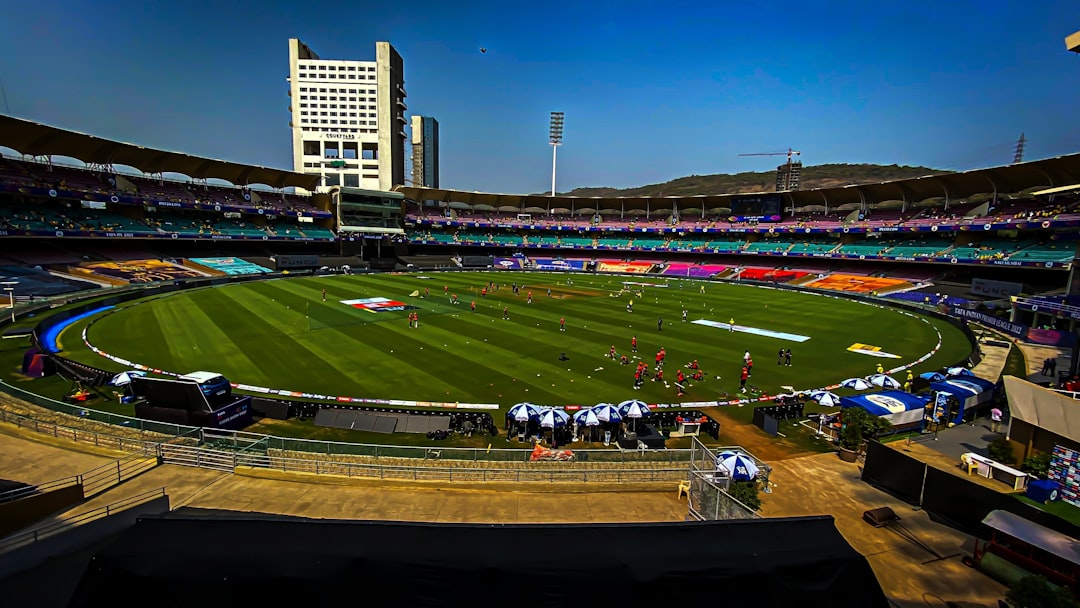
Cricket’s next innings: player-led philanthropy to beat hatred and build trust
Fans want more than statements. They want measurable, long-term commitments from players and boards that tackle anti-hate work, grow women's sport and restore public trust. Inspired by The Guardian’s Hope appeal — which raised more than £1m for grassroots organisations working to reduce social division in late 2025 — this guide shows how cricket stars and governing bodies can design and deliver high-impact, trust-building community projects in 2026 and beyond.
Why this matters now
Two recent realities shape the moment: first, audiences are fatigued by performative activism and expect transparency and outcomes; second, technological and funding tools (micro-donations, livestream fundraising, data dashboards) give campaigns unprecedented reach and measurability. In late 2025 The Guardian’s Hope appeal proved that readers and supporters will contribute where messages are clear, partners are credible and impact is verifiable. Cricket can translate that template into player-led community projects that confront hatred, boost inclusion and accelerate women's sport promotion.
“The theme of this year’s charity appeal was hope, supporting fantastic projects that foster community, tolerance and empathy.” — Katharine Viner, The Guardian
Top-line model: what worked for The Guardian — and what cricket can copy
The Guardian’s success relied on five interdependent pillars. Recasting these for cricket gives a pragmatic blueprint.
- Credible partners: The Guardian selected established grassroots groups with track records.
- Clear narrative: A single, emotionally resonant framing — “hope” — unified the campaign.
- Reader engagement: Multi-channel asks converted attention into donations.
- Transparency: Donors knew where money would go and saw post-campaign reporting.
- Shared ownership: Media, charities and supporters all had visible roles.
For cricket, replace “readers” with “fans, sponsors and communities.” Replace charities with local clubs, anti-hate NGOs, and women’s sports organisations. Use player profiles and matchday moments to amplify.
Designing a player-led anti-hate campaign: step-by-step
Below is a practical campaign design you can start implementing today. Each step includes short tasks with measurable outputs.
1. Define a focused mission (2 weeks)
- Task: Choose one core objective — e.g., “reduce school-based hate incidents by 30% in target districts over 18 months.”
- Output: One-page mission brief signed by lead player(s), one governing body sponsor and two grassroots partners.
2. Map stakeholders and partners (3 weeks)
- Stakeholders: players, boards, local clubs, anti-hate NGOs, schools, funders, fans, media partners.
- Criteria for partners: local footprint, safeguarding policy, previous impact data, capacity to scale.
3. Co-design the interventions with communities (4–8 weeks)
Best practice: don’t parachute in. Use participatory design workshops in target communities so projects meet lived needs. Examples:
- Girls-only cricket hubs with transport scholarships.
- Inter-community tournaments that pair schools from different backgrounds with shared coaching sessions.
- Anti-hate curriculum modules delivered by trained player ambassadors.
4. Build an evidence framework (ongoing)
Define KPIs before launch. Keep the dashboard simple and public.
- Output metrics: participants, sessions delivered, gender split, retention at 6 and 12 months.
- Impact metrics: reported hate incidents in partner schools, community trust index surveys, progression to competitive cricket.
- Process metrics: fundraising targets, cost per participant, volunteer hours.
5. Fundraising strategy (6–12 weeks to first raise)
Mix multiple streams — direct fan donations, matched corporate gifts, ticket-linked micro-donations, and grant applications.
- Match-funding: Secure a headline sponsor to match fan donations in the first month — this signals credibility and accelerates momentum.
- Micro-donations: Enable in-app, contactless and ticket-based add-ons on match days (round-ups on ticket checkout).
- Membership/subscription: Offer a supporter club (£3–£5/month) that funds coaching bursaries and provides behind-the-scenes access.
- Events: Charity nets, legends matches, and live auction items (signed kits) convert fandom to funds.
6. Activation and storytelling (launch + ongoing)
Players are the campaign engine. Use short-form video, matchday activations and local media to drive repeated engagement.
- Player vignettes: 60–90 second clips of players visiting hubs, explaining why the work matters. Be mindful of the legal and commercial rights when using player-created content.
- Matchday moments: Live appeals during key overs, digital counters on big screens showing funds raised.
- Data stories: Publish quarterly impact reports with visuals — not just PR copy.
Practical fundraising templates and targets
Below are sample targets for a pilot in one metropolitan region (12 months).
- Participant target: 1,200 children engaged across 20 hubs.
- Budget target: £250,000 — covers coaches, kits, transport, safeguarding training, monitoring.
- Fund mix: 40% corporate match (£100k), 30% fan donations (£75k), 20% grants (£50k), 10% events (£25k).
- Unit economics: £208 per participant (annual) inclusive of coaching and oversight — aim to reduce via scale.
Raising initial sums is realistic: The Guardian mobilised >£1m by combining editorial reach with trusted charity partners. Cricket’s unique assets — televised matches, global player profiles and loyal fanbases — can achieve similar results when campaigns are structured and transparent.
Building public trust: governance and transparency
Public trust is fragile. Fans immediately spot tokenism. Follow a trust-first approach:
- Independent oversight: Create an advisory board with community leaders and independent auditors.
- Open finances: Publish monthly spending summaries and project milestones.
- Safeguarding: Mandatory DBS checks (or local equivalent), child protection policies and safe recruitment for all coaches.
- Third-party impact assessment: Commission an independent evaluation at year one and year three to verify claimed outcomes.
Avoid common pitfalls
- Don’t launch with vague promises — define outcomes and timelines.
- Don’t centre only star image — local leaders must be visible and credited.
- Avoid short bursts of activity; commit to multi-year funding where possible.
Special focus: promoting women’s sport through player philanthropy
Women’s sport remains a high-impact lever for inclusion. The 2025–26 season saw record interest and institutional commitments — including high-profile receptions that amplify visibility for women’s teams. Cricket can use player-led philanthropy to turn attention into structural gains.
What works for women’s grassroots growth
- Scholarship pathways: Player-funded bursaries for talented girls from under-served communities.
- Facilities equality: Allocate a portion of campaign funds to ensure girls’ teams have changing rooms, safe travel allowances and female coaches.
- Seasonal mentorship: Pair international players with local club coaches for a coaching exchange calendar.
- Visibility deals: Secure broadcast highlights of female-only community fixtures and use matchday fundraising to sustain these fixtures.
High-profile endorsements — whether from royal patrons or major public figures — boost attention. But the long-term win is system change: more fixtures, paid pathways for coaches, and normalization of girls’ participation from age 6 upwards.
Digital tools and 2026 trends to scale impact
Campaigns that began in 2025 and matured into 2026 used an array of modern tools. Key trends to adopt:
- Micro-donations at scale: Round-up features in ticketing apps converted millions of small contributions into meaningful pools of funding.
- Real-time dashboards: Public impact portals show live funds, beneficiaries and stories — boosting donor confidence.
- Short video and social commerce: Player-created content paired with direct-giving CTAs performs best among 18–35 fans.
- Corporate social capital: Sponsors now expect impact metrics in return for brand association — use this to negotiate multi-year match funds.
- AI for targeting and reporting: AI can help segment supporters and personalise asks, and speed up evidence synthesis for impact reports (audit with human oversight). See advanced analytics approaches in edge personalization playbooks.
- On-chain transparency (optional): Some campaigns pilot blockchain records for donor-level transparency on fund flow; use carefully and explain to non-technical donors.
Case study blueprint: “Cricket for Communities” (pilot concept)
Below is a short illustrative case study you can adapt and pitch to boards or players.
Mission
Use cricket to reduce inter-community hate incidents and increase girls’ game participation by 50% across three pilot boroughs in 24 months.
Partners
- Player ambassadors: 4 national players (men’s and women’s).
- Local partners: two community NGOs, three local schools, four grassroots clubs.
- Sponsor: Title partner for coaching and matchday match-fund.
Activities
- Weekly mixed-community coaching sessions.
- Monthly inter-school tolerant-tournament with anti-hate workshops.
- Girls’ bursaries and coaching academy.
- Quarterly public impact reports and a live campaign dashboard.
Expected outcomes (24 months)
- 1,800 children engaged; 45% girls.
- 30% reduction in reported hate incidents in partner schools (baseline vs 24-month measure).
- 10 players committing 50 hrs each to community engagement annually.
- Matched funding of £300k secured by year 1.
Measuring social impact: KPIs and simple survey instruments
To avoid vanity metrics, use a small set of validated measures that relate to behaviour change and trust.
- Behavioural KPIs: number of cross-community events; incidents reported to school safeguarding teams.
- Participation KPIs: retention at 3, 6 and 12 months; female participation rate.
- Perception KPIs: pre/post community trust surveys (5-question instrument measuring feelings of safety and neighbourliness).
- Fiscal KPIs: cost per beneficiary, fundraising multiples.
Sample question for a short community trust survey: “On a scale of 1–5, how comfortable would you feel supporting a child from another community to join your local cricket club?” Repeat quarterly to track change.
How players can lead without burning out
Players’ time is limited. Effective leadership blends profile with delegation.
- Role clarity: players as ambassadors, fundraisers and occasional coaches but not daily operators.
- Staffing: hire a small, empowered local programme manager and digital comms lead.
- Time use: micro-engagements (1–2 hour visits) are more sustainable than weekly commitments.
- Recognition: public reporting credits players and local leaders equally to prevent hero narratives that obscure community agency.
Scaling from pilot to national programme
Use a three-phase scale model:
- Pilot: 1 region, 12 months, test interventions and refine KPIs.
- Scale: 3–5 regions, 24 months, standardise training and digital tools.
- National roll-out: embed into national governing body budgets and corporate sponsorship deals with long-term contracts.
Each transition point requires fresh fundraising and renewed governance commitments. The evidence you publish at each stage is your single strongest asset when negotiating bigger sponsorships.
Accountability checklist before launch
- Signed partnership MOUs
- Published safeguarding policy
- Budget with 10% contingency
- Impact dashboard design (public)
- Independent advisory board confirmed
Final thoughts: long-term social impact is a team sport
The Guardian’s Hope appeal showed how a clear theme, credible partners and transparency can mobilise significant resources quickly. Cricket can do the same — but it must choose longevity over optics. That means multi-year commitments, published evidence and a governance model that centres community agency.
When players lend their profile thoughtfully and governing bodies use matchday reach to fund measurable community projects, cricket becomes more than a game: it becomes a durable platform for social cohesion and inclusion. The prize is not just reduced hatred and stronger communities — it’s restored public trust, broader participation (especially in women’s sport), and a legacy that endures long after the scoreboard resets.
Actionable next steps (for players, boards and fans)
- Players: nominate one local community partner and commit to a 12-month ambassador role with clear deliverables.
- Boards: allocate seed-match funds (even £25k) and publish an intent statement and governance plan within 30 days.
- Fans: support pilot campaigns via micro-donations and attend community fixture days — demand transparency from organisers.
Ready to start? If you’re a player, coach, board member or fan leader, convene a 90-minute briefing within the next four weeks using the checklist above and commit to a pilot plan this season. Community change starts with one well-run pilot — and cricket has all the assets it needs to win.
Related Reading
- Merch & Community: How Quantum Startups Use Micro‑Runs to Build Loyalty in 2026
- Micro-Subscriptions & Cash Resilience: How Small Businesses Built Predictable Revenue in 2026
- Edge Signals, Live Events, and the 2026 SERP: Advanced SEO Tactics for Real‑Time Discovery
- How UK Local Newsrooms Survive 2026: Micro‑Marketplaces, Live Streams & Sustainable Models
- AI Scouting: How Better Data Cuts Transfer Market Risk
- Wearables & Wellness: Using Wristbands and Smart Sensors to Measure Massage Effectiveness
- The Science of Comfort Foods: Pairing Hot-Water Bottles with Hearty Nighttime Eats
- Rechargeable Hot-Water Bottles: How They Work and Which Models Hold Heat the Longest
- Budget Designer Look: Create High-End Prints Under £25
- Resident Evil: Requiem — System Requirements and Optimization Tips for PC Players