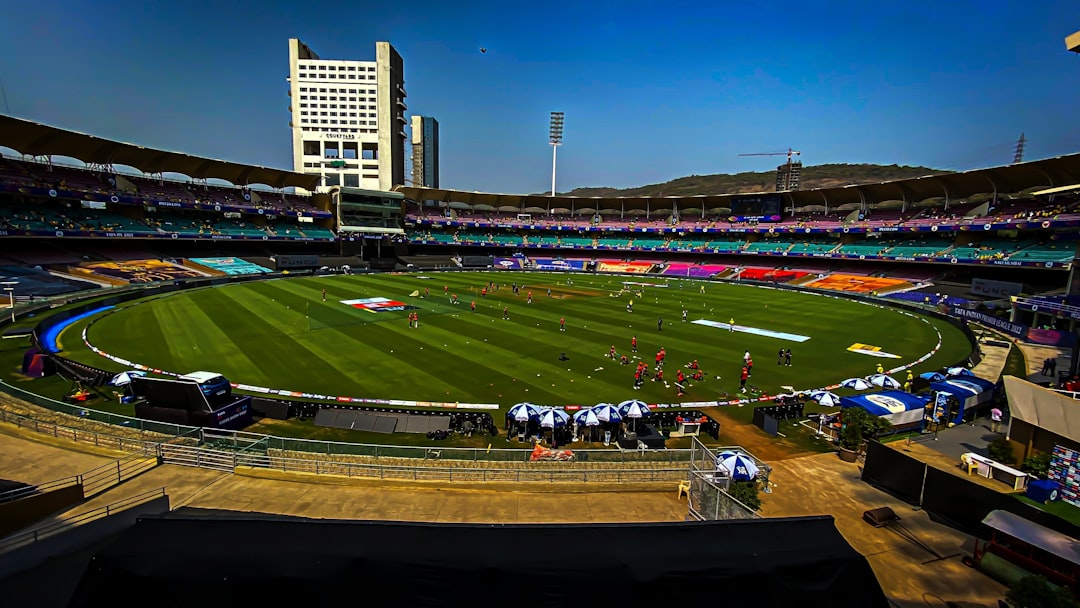
Micro‑Teams and Edge Tools: How Cricket Coverage Shrank the Booth in 2026
Hook: Gone are the days when a matchday required a 40‑person OB unit to deliver compelling cricket coverage. In 2026, clubs, independent creators and local broadcasters are doing more with less — and better. This is a practical field guide built from months of sideline reporting, producer interviews and hands‑on tests.
Why small teams won in 2026
Short answer: agility. The economics of broadcasting and attention have flipped. Micro‑teams can deploy faster, pivot formats in real time and deliver bespoke feeds for social, OTT windows and partner channels.
From an operational standpoint, three forces accelerated the trend:
- Edge tools and low‑latency PoPs that reduced dependency on on‑site racks.
- Modular laptop and field gear ecosystems that let operators swap components in minutes.
- Creator-centric workflows that prioritize vertical clips, commentator bites and interactive overlays.
Field workflows that actually work
We spent a season observing micro‑teams at county grounds and franchise events. Successful crews follow a predictable blueprint:
- One operator handles ingest and low‑latency output using a lightweight encoder on an ultra‑portable laptop.
- One camera operator runs a gimbal or a PocketCam for hero shots and closeups.
- A roaming producer curates social snippets and live graphics on a tablet or modular laptop dock.
- Backup power and comms live in a single bag — easy to hand off between shifts.
Practical note: If you’re building this stack, read the recent analysis of the modular laptop ecosystem and field gear impact to understand battery, docking and I/O tradeoffs: Market News: Modular Laptop Ecosystem and Field Gear Impact on On-Location Shoots (2026 Q1 Analysis).
Gear highlights we saw in the field
Not every shiny tool is useful. These items became workhorses for the micro‑crews we tracked:
- NovaStream Backpack & PocketCam workflow — simple to rig, ideal for roaming crowd and boundary cams. A good primer is available in this field review: Field Review: NovaStream Backpack & PocketCam Workflow for On‑Location Game Streams (2026).
- PocketCam Pro and similar compact cameras for low‑light boundary work — see rapid picks and tradeoffs at: PocketCam Pro in the Field: Rapid Review for Market Creators (2026).
- Edge encoders and compact mixers like Atlas One for matchday remote feeds — a matchday field review outlines real‑world tradeoffs: Field Review: Atlas One in Matchday Operations — Remote Feeds, Compact Mix and Real‑World Tradeoffs (2026).
- Portable power & micro‑studio kits to keep crews rolling through long match sessions — our recommended field guide is here: Portable Power & Micro‑Studios: The Field Guide for Mobile Creators in 2026.
"Speed and the right compromises beat raw scale. Micro‑teams know what to trade off — and that’s the secret to consistent, high‑engagement coverage in 2026."
Advanced strategies for broadcasters and clubs
Move beyond mere gadget lists. The teams who scaled coverage profitably in 2026 applied these advanced strategies:
- Layered output planning: design three simultaneous outputs — a low‑latency feed for partners, a social vertical feed, and a low‑bandwidth highlights channel.
- Predictive kit rotations: use a small rotation of modular laptops and hot‑swap batteries to avoid downtime. The modular laptop analysis above helps inform procurement timing.
- Local creator partnerships: lean on community creators for alternative commentary lanes and hyperlocal storytelling; micro‑popups and community activations are an easy gateway for that collaboration.
- Rapid QA lanes: implement a 3‑minute verification for every clip before publish — automated checks for branding, captioning and profanity reduce rework.
Where producers still get it wrong
Common mistakes we observed:
- Overloading a single operator with ingest, graphics and talkback — leads to missed highlights.
- Skipping a dedicated low‑latency encoder because the laptop "can handle it" — results in dropped frames during peak moments.
- Underinvesting in rugged batteries and power rails — a match lost to power issues is not recoverable.
Predictions: What the next two seasons will look like
By late 2027 we expect these trends to be entrenched:
- Distributed rights windows: rights holders will sell micro‑rights for vertical and regional feeds, making micro‑team production margins attractive.
- Edge orchestration: more automated switching between PoPs and local encoders for resilience.
- Subscription micro‑packages: clubs will offer matchday creator bundles — behind‑the‑scenes streams, player mic drops and curated highlight channels.
How to get started this season
If you manage a club media team, here's a short checklist to build a 3‑person micro‑crew:
- Pick one modular laptop and one hot‑swap battery pack (consult the modular laptop ecosystem analysis linked above).
- Buy or rent a NovaStream Backpack and PocketCam or equivalent — the field review is a helpful reference.
- Test Atlas One or a similar compact mixer for remote feed redundancy.
- Plan layered outputs and rehearse social cutdowns in a non‑match environment.
Further reading and field resources: for procurement and kit tradeoffs consult the portable power micro‑studio field guide at Portable Power & Micro‑Studios: The Field Guide for Mobile Creators in 2026, review PocketCam practical notes at PocketCam Pro in the Field and the Atlas One matchday review at Field Review: Atlas One in Matchday Operations.
Final take
Micro‑teams are not a niche trend — they are the new baseline for smart, flexible cricket coverage. With the right edge tools, modular laptops and a crew that knows what to prioritize, clubs and creators can deliver richer, faster and more engaging matchday experiences than ever before.
Related Reading
- The Carbon Footprint of Micro‑Mobility: Are Fast, Powerful Scooters Really Greener?
- What 'You Met Me at a Very Chinese Time of My Life' Really Says About American Nostalgia
- How to Use Music to Hold Space for Difficult Emotions: A Practical Guide
- Media Consolidation 2026: What Banijay + All3 Means for Local Producers and Freelancers in Bahrain
- Virtual Fit, Real Tailoring: How Omnichannel Retail is Redefining Measurements and Alterations