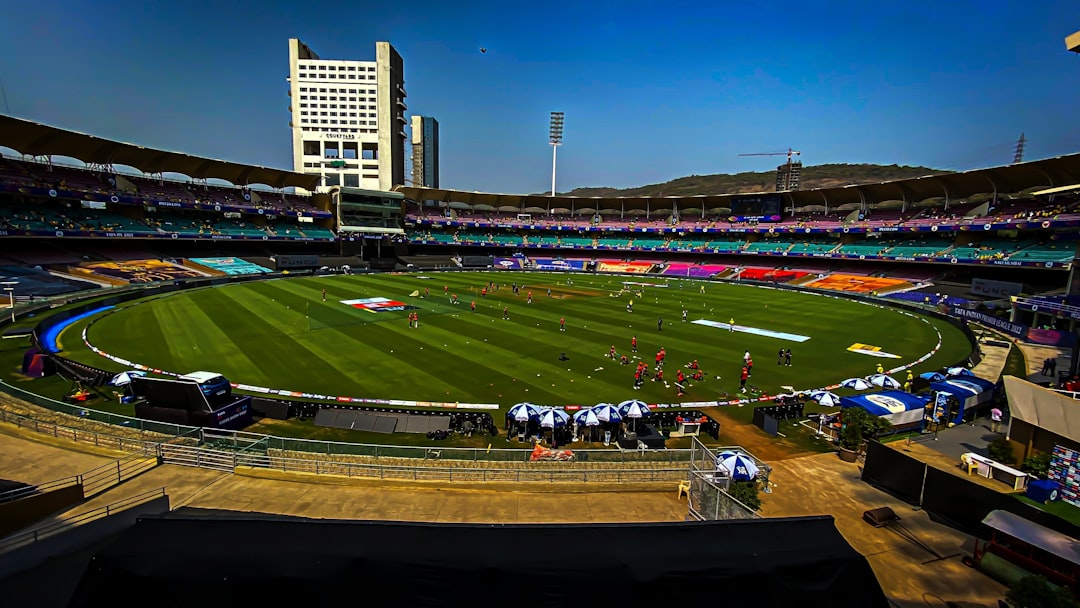
Stadium food is no longer just about hot dogs, fries, and a quick soda between overs. It has become a high-stakes pricing and operations problem shaped by inflation, supplier volatility, consumer spending pressure, and the relentless expectation that a game-day experience should still feel fun, fast, and fair. The latest FCC food and beverage outlook shows why this matters: manufacturers are seeing only modest sales growth while volumes keep falling, which is a classic sign that price increases are doing the heavy lifting while demand weakens underneath. For venues, that means the old concession model—simply passing on rising costs and hoping fans accept it—no longer works on its own, especially when fans can compare value instantly across apps, social feeds, and nearby street vendors. If you are looking at the bigger economics behind matchday operations, it helps to understand how supply pressure travels from the farm gate to the counter, much like the fee layers explored in The Hidden Fee Playbook.
What makes this moment especially important is that stadium concessions sit at the intersection of event revenue and fan trust. A venue may have strong ticket sales, but if food and beverage pricing feels disconnected from the experience, the perception of value drops fast. Operators need a strategy that protects margins without turning concessions into a resentment engine. That requires better product design, smarter procurement, sharper menu engineering, and a clearer understanding of how fans actually spend under pressure, which is why lessons from crafting deals that resonate with consumers are more relevant to stadiums than they might first appear.
1. What the FCC Findings Really Signal for Stadium F&B
Modest revenue growth, weaker volume, and what that means for venues
FCC’s outlook is useful because it describes a pattern every stadium operator should recognize: revenue can still rise even when underlying demand is weakening. In manufacturing, higher prices are masking declining volume, and that is a warning sign for matchday concessions too. If a stadium raises menu prices aggressively while fan attendance stays flat or the average basket shrinks, the operation may show nominal revenue gains while quietly losing volume, goodwill, and repeat purchases. This is why the phrase matchday pricing should be treated as a demand-management tool, not a blunt margin lever.
For venues, the implication is simple: food costs are not just a procurement issue, they are a behavioral issue. Fans respond to value thresholds, and once those thresholds are crossed, they trade down, buy less, or skip concessions entirely. The result is lower transaction count, not just lower per-item margin. That behavior mirrors broader consumer caution in categories shaped by rising essentials, similar to the dynamics discussed in diet food choices that support long-term health, where buyers scrutinize what they are really getting for the money.
Why falling volumes matter even when sales look healthy
When a stadium reports better per-capita revenue but fewer items sold per fan, it can easily misread the scoreboard. The higher average spend may be driven by premium bundles or premium seating, not by healthy base demand across the bowl. FCC’s warning about weak demand and cautious consumer spending suggests that venues should watch unit counts, mix shifts, and conversion rates as closely as total revenue. A concession stand that sells fewer beers, fewer snacks, and fewer meal combos is usually a canary in the coal mine for future margin pressure.
This is where the event business differs from normal retail. Fans are time-constrained, emotionally charged, and often willing to pay more only if the offer feels aligned with the moment. A cold drink at the end of a scorching afternoon, a local specialty near a rivalry game, or a value bundle during family day can still command demand. But if the menu feels generic and overpriced, fans react the way travelers do to surprise markups, much as hidden fee breakdowns teach buyers to protect themselves before checkout.
Input-cost easing may help, but it is not a cure-all
FCC notes that some key inputs—such as cattle, hogs, canola, and cocoa—may ease, which should provide relief. That sounds encouraging, but stadium operators should not assume relief will automatically flow through to better fan pricing. A lot of venue food programs are multi-layered: they absorb labor inflation, packaging costs, utilities, logistics, and waste before product savings are even visible. That means even if ingredient costs improve, total plate cost may remain stubbornly elevated.
There is also timing risk. Supply-chain relief does not show up evenly, and contracts can lock venues into higher-cost inventory long after market prices begin to soften. This is why operators need real-time visibility into stock and usage, similar to the discipline behind real-time supply chain visibility tools. In practice, the venues that win are the ones that see cost changes early and adjust menus before margins erode.
2. The Stadium Concession P&L Is Being Squeezed From Both Sides
Food inflation hits the back of house first
When food costs rise, the first pain point is not the customer-facing menu board. It is the back-of-house spreadsheet. Higher protein prices, volatile produce costs, and packaging inflation increase cost per serving, while labor and energy continue to press overhead higher. For concession managers, the challenge is not simply finding cheaper ingredients; it is preserving throughput, freshness, and quality while maintaining service speed during peak innings or breaks. The margin impact becomes acute in low-ticket items where a small cost increase can wipe out profitability entirely.
This is particularly true for signature items that require multiple components. A loaded nacho, for example, relies on tortilla chips, cheese, salsa, protein toppings, sauce portions, and packaging. A slight increase in any one of those inputs can compress the margin by several percentage points. That is why venues should think of every item as a mini portfolio rather than a single SKU, much like product teams think about emerging food trends in Indian cities—not as isolated dishes, but as combinations of price, format, and cultural expectation.
Menu prices are now a trust conversation
In the old model, fans expected stadium food to cost more because convenience had value. That expectation still exists, but tolerance has narrowed. Consumers now compare concession pricing with supermarket pricing, meal-delivery pricing, and local quick-service restaurants in real time. When matchday pricing climbs too far beyond a perceived fair range, even passionate fans start to make strategic trade-offs. They might buy before entering the venue, split meals, or skip full meals entirely.
That is why menu pricing should be framed around value architecture, not just cost-plus math. The venue must decide which items are anchors, which are impulse buys, and which are premium theater items. Many operators treat every product as if it should carry the same markup, but that destroys the visual ladder fans need to feel they have options. In other retail sectors, the difference between premium and entry-level offers is managed carefully, as shown in beauty retail disruption strategies where the assortment is deliberately tiered to support both accessibility and margin.
Event revenue depends on transaction count, not just basket size
A stadium can sometimes offset slower demand by lifting average basket size, but that is not infinite. The real profit engine is a blend of margin per transaction and number of transactions per fan. If prices rise too quickly, transaction count drops, and total event revenue suffers even if the individual ticket size looks better. That is why the smartest concessions operators track conversion rate, item mix, and queue abandonment, not just top-line concession revenue.
The lesson is reinforced by businesses that have learned to preserve engagement without overloading the customer. Consider how community engagement strategies in other sectors emphasize frequency, trust, and lightweight participation. Stadiums need the same logic. Fans should feel like buying food is part of the experience, not a tax on being there.
3. Tactical Menu Engineering That Protects Margins Without Alienating Fans
Use a three-tier menu architecture
One of the most effective tactics is to segment the menu into three tiers: value, core, and premium. Value items keep price-sensitive fans participating, core items deliver the broadest margin-volume balance, and premium items create aspiration and upgrade paths. This structure helps venues absorb input-cost pressure without forcing every item upward at once. It also reduces the risk of alienating families or first-time attendees who are most sensitive to sticker shock.
A good tiered menu is not random. Value items should be operationally simple, portable, and high-velocity. Core items should represent the best balance of cost and perceived satisfaction. Premium items should tell a local story or deliver a strong visual payoff, such as regional specialties, chef collaborations, or limited-run matchday dishes. A venue that wants to build stronger appetite for premium items can borrow from local restaurant discovery patterns by leaning into hometown identity and authentic flavors.
Substitute strategically, not indiscriminately
When input costs rise, the wrong move is to simply swap expensive ingredients for cheaper ones everywhere. Fans notice quality drift quickly, especially with iconic concession items. Instead, venues should identify recipes where substitution is invisible or even beneficial. For example, switching garnish formats, changing sauce applications, or using seasonal produce can protect margin without compromising the fan’s first bite experience. The idea is to optimize the recipe around what fans perceive, not what procurement teams see alone.
That approach mirrors product-quality thinking in food sourcing. If you want to understand why origin and handling matter so much to taste and perception, see how sourcing affects flavor. Stadiums are no different: fans may not know the exact ingredient chain, but they can absolutely detect when food has lost freshness, texture, or identity.
Bundle for value, not just discounting
Bundles can protect margins if they are designed correctly. Instead of discounting a drink or snack in isolation, venues can assemble combos that raise attachment rate and simplify decision-making. A well-built combo should feel like a better choice, not a forced upsell. This is especially important for family attendees, casual fans, and younger audiences who want speed and clarity more than excessive customization.
Bundling also reduces menu friction at peak times. When the line is long, fans choose the easiest path. A clear value combo can improve throughput and increase the chance that each transaction captures multiple categories. That principle is used in many consumer sectors that rely on deal clarity, similar to the psychology behind limited-time deal bundles where perceived savings drive faster decisions.
4. Procurement, Forecasting, and Cost Management Must Become More Dynamic
Move from annual planning to rolling cost reviews
In volatile environments, an annual concession plan is too static. Stadium operators should review ingredient costs, labor assumptions, and supplier performance on a rolling basis, ideally monthly during the peak season. This allows faster response to price spikes, shortages, and product-specific margin shifts. The same discipline helps teams decide when to hold prices, when to trim portions, and when to feature alternative items.
Rolling reviews also improve negotiation power. If vendors know the venue has real data on usage and substitutions, they are more likely to offer flexible terms. This is the practical side of AI-driven order management: not just automation for speed, but decision support for cost discipline. Stadiums do not need futuristic systems to benefit; they need cleaner data and tighter feedback loops.
Use real-time visibility to reduce waste and spoilage
Waste is one of the most overlooked margin killers in stadium food. A sell-out crowd does not automatically mean efficient inventory. Over-ordering perishable items, underestimating weather effects, or misreading opponent-specific demand patterns can produce costly spoilage or emergency discounts. Real-time visibility into inventory levels and sell-through rates lets operators react before losses compound.
That is why supply-chain intelligence matters at the venue level, not just in centralized procurement. If the stand on the third-base side is overstocked on a low-velocity item while another kiosk is running out of high-demand beverages, the venue has a distribution problem, not just a purchasing problem. Tools and habits that improve real-time supply visibility can materially improve concession margins over a season.
Forecast by matchup, weather, and crowd profile
One of the most powerful cost-management upgrades is better demand forecasting. A weekend rivalry game, a rainy weekday fixture, and a family-friendly afternoon event all produce different concession patterns. Weather affects hot-drink versus cold-drink demand; opponent identity can shift alcohol mix and premium snack purchases; and crowd demographics determine what level of convenience or novelty the market will support. Operators that forecast by event type instead of using a generic average will reduce both stockouts and waste.
This level of event intelligence is similar to the planning required for large-scale experiences, where one size never fits all. Insights from festival-style event planning show why experience design and demand planning must move together. Stadium concessions are, in effect, a live retail environment with an extremely short operating window.
5. Fan Pricing Psychology: What Supporters Will Actually Accept
Fans tolerate premiums when the value is obvious
Fans are not opposed to paying more in principle. They resist paying more when the rationale is unclear or the value proposition feels weak. A premium item can succeed at a high price if it is visibly better, localized, convenient, or emotionally meaningful. Think of how limited-edition sports merchandise works: scarcity and identity can justify a premium because the fan receives more than utility. Concessions need that same emotional and practical logic.
This is why storytelling matters. A menu item named after a local icon, tied to a derby, or built around regional flavors can carry more acceptance than a generic item with the same cost. The venue is selling memory as much as food. That principle also appears in brand storytelling in sports documentaries, where narrative elevates ordinary moments into meaningful experiences.
Price transparency reduces backlash
One reason fans react badly to matchday pricing is that they often feel ambushed by the full bill. Operators can reduce this by making pricing easier to understand before purchase and by building visible value ladders across the menu. Clear combo pricing, honest portion cues, and consistent pricing across similar items all help. The goal is to remove the impression of arbitrary markups.
Transparency is increasingly important in every consumer category. Buyers have become trained to look for the total cost, not just the advertised cost, whether they are shopping travel, tech, or food. That is part of why content such as hidden-fee detection guides resonates so strongly. Stadiums that front-load the truth will preserve trust better than venues that rely on surprise.
Families and casual fans need a different value message
Not every attendee is a superfan willing to pay for convenience at any price. Families, school groups, and first-time visitors are often the most price-sensitive segments, but they are also the most important for long-term attendance growth. A concession strategy that ignores them risks weakening future fan conversion. Value bundles, kids’ pricing, and simple meal options help the venue remain inclusive.
Operators should remember that fan pricing is also an access issue. If families see stadium food as unaffordable, they may bring less money to the venue or limit how often they attend. The result is lower event revenue over time. The smart move is to keep at least one meaningful low-friction option available, the way good retailers maintain accessible entry products while still pushing premium tiers, as seen in direct-to-consumer pricing strategies.
6. Operational Tactics Venues Can Deploy Right Now
Shorten the menu, improve throughput
In inflationary periods, smaller menus often outperform broader ones. A reduced SKU list simplifies purchasing, improves forecasting accuracy, lowers spoilage, and speeds service. It also helps staff execute more consistently, which matters because service errors become more costly when fans are already frustrated by prices. A tighter menu does not have to feel limited if the items selected are high-appeal and well-positioned.
There is a strategic parallel here with how effective product assortments are designed in other retail categories. A clean lineup can feel curated rather than constrained. That is why lessons from multi-sport traveler service design are relevant: fewer, better options often outperform broad but shallow offerings when customers are under time pressure.
Shift some value creation to beverages and add-ons
Beverages, sauces, toppings, and dessert add-ons often carry stronger margins than main food items. When food costs are under pressure, venues can preserve profitability by shifting more of the value mix toward high-margin attachments. That does not mean overpricing basics. It means designing the basket so that a fan who wants to enhance the experience has clear, appealing options to do so. Add-ons should be easy, quick, and priced so the value is obvious.
Done well, this can protect gross margin without forcing the headline price on the core item too far upward. But the strategy only works if the upsell feels natural. Fans should never feel trapped into buying an overpriced bundle. In consumer psychology terms, the best add-on is the one that solves a convenience problem and enhances the moment, similar to how well-built deal bundles solve gifting decisions.
Test localized and limited-time items
Limited-time offers are one of the best tools for balancing margin and fan excitement. They create novelty, support higher perceived value, and give venues a way to test pricing elasticity without reworking the entire menu. Localized items are especially effective because they build identity into the product and make the venue feel more rooted in community life. A regional sandwich or a team-themed dessert can often outperform a generic best-seller in both margin and buzz.
There is a marketing advantage too. Limited-time items generate conversation, which can lift both foot traffic and social engagement. For inspiration on how thematic presentation boosts response, see event design trends, where presentation itself becomes part of the value proposition. The same idea applies to matchday menus: look, naming, and timing can change purchase behavior as much as recipe cost.
7. A Practical Comparison of Concession Strategy Options
The table below compares common concession responses to rising input costs. The right approach is rarely one tactic alone; most venues need a blended strategy built around their crowd profile, stadium footprint, and brand positioning.
| Strategy | Margin Impact | Fan Reaction Risk | Operational Complexity | Best Use Case |
|---|---|---|---|---|
| Broad price increases across the menu | Short-term lift, often unstable | High | Low | When costs spike suddenly and short notice is required |
| Tiered menu architecture | Strong long-term balance | Low to moderate | Moderate | Most stadiums seeking sustainable fan pricing |
| Bundle-led value offers | Can improve basket size | Low if priced clearly | Moderate | Family attendance, high-volume events, quick-service stands |
| SKU reduction and menu simplification | Improves waste control | Low if favorites remain | Low to moderate | High-traffic venues with limited prep space |
| Localized limited-time items | Can increase premium capture | Low to moderate | Moderate to high | Rivalry games, playoffs, special events, sponsor tie-ins |
| Dynamic price testing by event type | High data-driven potential | Moderate to high | High | Large venues with strong analytics capability |
What the table shows is that there is no single silver bullet. The best concession strategy usually combines menu simplification, selective premiumization, and careful fan-friendly value offers. If you want the margin benefit of rising prices without the backlash, you need options that give customers a sense of control. That is the same logic behind prediction-market thinking: when people can see the range of outcomes, they make better decisions and trust the process more.
8. What Strong Operators Will Do Differently in 2026
They will measure profitability at item level, not just stand level
Winning venues are moving beyond aggregate concession reporting. They want to know which items are profitable after spoilage, labor, packaging, and service time are considered. They also want to know which items drive repeat purchases versus one-time novelty buys. This kind of item-level economics helps identify where to hold the line, where to reprice, and where to retire underperforming SKUs. In a volatile cost environment, intuition alone is too slow.
That is where better analytics become central to event revenue strategy. A stadium that understands item-level margin can react like a retailer with live dashboards. The operational discipline resembles the approach behind automation in order management, where better information improves both speed and profitability.
They will treat fan loyalty as a pricing asset
Fan loyalty is not just a marketing metric. It is a pricing asset because loyal fans are more willing to accept premium pricing when they believe the venue understands them. The relationship only works, however, if pricing is paired with fairness and consistency. That means avoiding random markups, preserving at least some affordable options, and communicating value in ways that feel respectful.
Venues that erode trust by pushing pricing too hard may gain a quarter’s worth of margin but lose years of relationship equity. The more sustainable approach is to make pricing feel like part of the shared game-day ritual. That is the spirit behind fan-centered storytelling in player-fan interaction analysis, where connection matters as much as exposure.
They will build menus around flexibility, not nostalgia
Nostalgia still matters in sports, but it should not prevent adaptation. Fans may love a classic item, yet if ingredient costs make it unsustainable, the venue needs a smart redesign rather than a stubborn defense of the old recipe. Flexible menus let operators protect signature items while introducing substitutes, seasonal items, or new formats that fit current economics. That keeps the brand fresh and financially sound.
To get there, operators must embrace experimentation. They need to test, measure, and refine continuously, not once per season. The venues that adapt fastest will protect margins while staying in touch with what fans will actually buy, which is the core challenge in all consumer-facing live experiences.
FAQ: Stadium Food Costs, Pricing, and Margin Strategy
Why are stadium food prices rising so fast?
Stadium food prices are rising because venues are facing higher ingredient costs, labor expenses, packaging inflation, logistics pressure, and waste risk at the same time. Even when some raw material prices ease, the total cost of serving a fan often remains elevated. In addition, many stadiums operate under short selling windows, which means they must price for peak demand and limited recovery time. That combination makes food costs feel especially acute on matchday.
Do fans really notice concession pricing differences?
Yes. Fans notice not only the sticker price, but also the value relationship between price, portion size, quality, and convenience. If the price jump feels disconnected from the experience, resistance rises quickly. Fans may respond by buying less, choosing cheaper items, or skipping concessions altogether. The perception of fairness matters almost as much as the absolute amount.
What is the safest way to protect margins without upsetting fans?
The safest approach is tiered pricing: keep value items accessible, maintain core favorites at reasonable margins, and use premium items to capture higher spend from fans who want something special. Pair that with bundles, limited-time offers, and selective portion or ingredient changes that are not obvious to the customer. This gives fans choice while helping the venue avoid across-the-board price shocks.
Should venues shrink menus when food costs rise?
Often yes, especially if a large menu is creating waste, slow service, or inconsistent execution. A smaller menu can improve forecasting accuracy, reduce spoilage, and make it easier to train staff. The key is to remove low-velocity or low-margin items while protecting the best sellers and the fan favorites. Simplification works best when it feels curated, not cheapened.
How can venues use data to improve concession margins?
Venues can use item-level sales data, event-type forecasting, weather patterns, and inventory tracking to understand what sells, when, and at what margin. The goal is to optimize purchasing, reduce waste, and shift the menu mix toward higher-performing items. Real-time visibility is especially useful because stadium demand changes rapidly across innings, breaks, and crowd segments. Better data leads to better pricing, better product selection, and better service speed.
Will fans accept premium pricing for localized or limited-time items?
Usually yes, if the item feels authentic, clearly different, and tied to the event or local culture. Fans are more willing to pay for novelty when they can see the value immediately. Limited-time or regional items also create a sense of exclusivity, which supports price tolerance. The most successful premium items are not just expensive; they are memorable.
Conclusion: The New Concession Rule Is Balance, Not Blind Markup
The FCC findings are a warning and an opportunity. They show that food and beverage businesses can still report sales growth while volume weakens, which is exactly the trap stadium operators must avoid if they want healthy long-term event revenue. In the concessions world, rising food costs do not simply justify higher matchday pricing; they force a redesign of menus, sourcing, forecasting, and fan communication. The venues that respond with discipline—through tiered menus, smarter bundles, tighter procurement, localized offers, and real-time data—will protect margins without turning fans away.
In the end, concession strategy is really fan strategy. A stadium that treats food as part of the emotional architecture of the matchday will outperform one that treats it like an afterthought. That means respecting price sensitivity, preserving trust, and designing every menu decision around both economics and experience. For broader context on how consumer-facing businesses adapt when pressure rises, it is worth revisiting pricing transparency lessons, supply visibility, and bundle design strategies as part of the same operating playbook.
Related Reading
- From Ocean to Plate: How Sourcing Affects Flavor - A deeper look at why ingredient origin changes taste, quality, and pricing power.
- Enhancing Supply Chain Management with Real-Time Visibility Tools - Learn how live inventory data can reduce waste and protect margins.
- Game Changers: New Food Trends Emerging in Indian Cities - See how evolving consumer tastes reshape food demand and menu design.
- The Impact of Social Media on Player-Fan Interactions: A Deep Dive - Explore how trust and engagement influence fan behavior beyond the stadium.
- Harnessing AI-Driven Order Management for Fulfillment Efficiency - Discover how smarter order workflows improve speed and cost control.