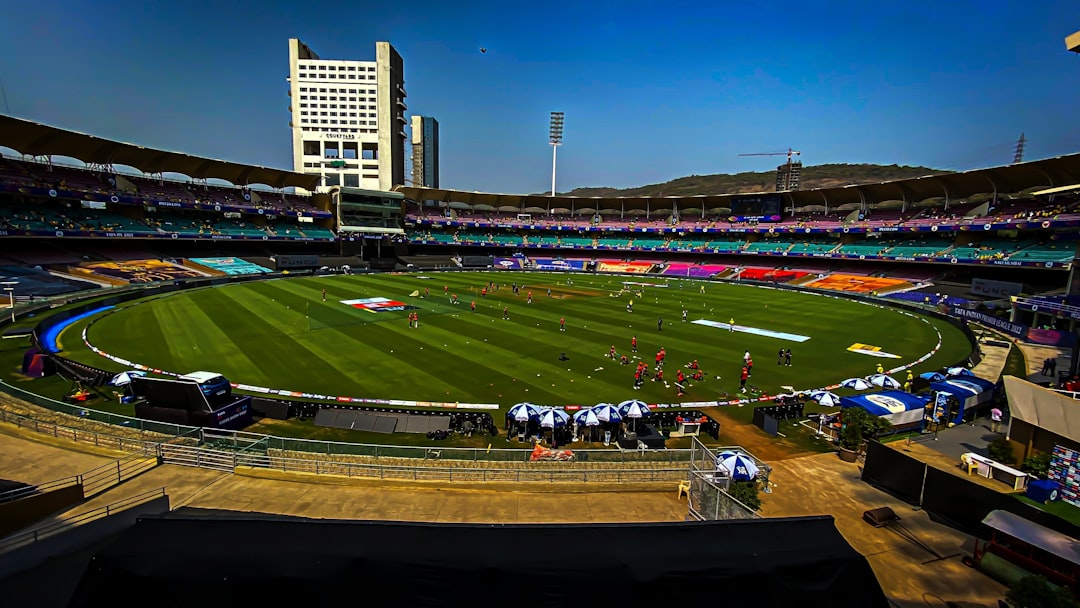
For grassroots and semi-pro cricket clubs, the old weekend-match model is no longer just about 40 overs, a scorers’ table, and a few photos after stumps. With low-cost live streaming and practical AI workflows, a single club match can become a package of live coverage, short-form social video, searchable archives, sponsor inventory, and recurring club revenue. The big shift is not technical showmanship; it is operational discipline. Clubs that treat every fixture like a content engine can reach diaspora fans, local families, alumni, and sponsors far beyond the boundary ropes.
This guide is a practical blueprint for building that engine without a broadcast truck or a full-time media team. We will break down a lean production stack, the role of AI in short-video workflow design, how to create reliable trust signals, and how to turn clips into sponsor-friendly assets. If you want the broader strategic context around AI in sport, the emerging patterns are similar to those discussed in the sports industry overview on AI applications in sports, but the club-level playbook is where the economics become real.
We will also show how to avoid the common traps: poor connectivity, inconsistent framing, unsafe automation, and low-value content that does nothing for followers or advertisers. Think of this as the club operations version of a high-performance system—more like enterprise AI architecture than a casual livestream setup. The difference is that your goals are simpler: capture the match, clip the moments, caption the story, distribute fast, and monetize with credibility.
1) Why weekend cricket matches are a content goldmine
1.1 Every local match contains multiple audience segments
A weekend fixture is not just one event; it is many events happening at once. Parents want updates on their children, alumni want nostalgia, local fans want rivalry and bragging rights, and remote supporters want the score, not just a summary. Meanwhile, sponsors care about visibility, community association, and repeatable placements, which means the same game can support multiple content products. Once clubs start thinking in audience segments, live streaming stops being a novelty and becomes a distribution strategy.
This is where small clubs have an edge over large, impersonal media systems. You know the players, the families, the storylines, and the local context, so your coverage can feel more authentic than a generic highlights reel. That authenticity matters because trust is the currency of sports communities, just as it is in broader digital ecosystems like trust and authenticity in online marketing. When supporters believe your stream is reliable, they return, share, and eventually pay attention to sponsors and ticket links.
1.2 The hidden economics of attention
Most grassroots clubs underestimate the value of attention because they focus only on match-day gate receipts. In reality, a 90-minute stream can generate several revenue surfaces: pre-roll sponsor mentions, mid-match branded lower-thirds, clipped highlights for social feeds, and post-match recap sponsorship. If your club also sells merchandise, memberships, or entry to special events, every clip can feed a commercial path. That is why clubs should study productized service ideas and apply the same thinking to sports content packages.
The logic is simple: content is the top of the funnel, and the live match is the highest-intent moment. A fan who watches ball-by-ball updates is more likely to buy a shirt, donate to a junior program, or attend the next home fixture. This is especially true for diaspora audiences who cannot attend in person but still want emotional connection. A consistent stream can become the club’s most dependable digital asset.
1.3 Content creates proof, not just publicity
For small clubs, the biggest sponsor challenge is proving that activation will be seen by real people. AI-assisted clipping solves that problem because it creates measurable outputs: number of views, watch time, shares, comments, and repeat exposure. That proof can be folded into sponsor reports, membership pitches, and community grant applications. It also makes your club look more organized and more investable than competitors who only post a few static photos.
Pro Tip: Don’t pitch your stream as “coverage.” Pitch it as a multi-format media product with live reach, clip distribution, and sponsor inventory. That language changes the conversation from expense to asset.
2) Building the minimum viable live-stream setup
2.1 The low-cost equipment stack that actually works
You do not need cinema gear to start. A modern smartphone, a stable tripod or fence mount, a power bank, a directional microphone if budget allows, and a reliable data plan are enough for a decent first season. The key is stability and battery management, not fancy specs. If your club is buying shared hardware, make reliability and resale value the first consideration, much like the discipline used in brand reliability research for tech purchases.
In practice, clubs should maintain a simple equipment checklist: camera phone, backup phone, tripod, windscreen, external battery, SIM hotspot, and a laminated setup card. Keep the setup identical every week so volunteers can repeat it under pressure. This is similar to the operational thinking behind predictive maintenance: standardize the system so failures are easier to spot. A stable process beats a clever one that only works when your best volunteer is available.
2.2 Connectivity planning is the real differentiator
Streaming quality is won or lost on network planning. Test the ground before match day, identify dead zones, and preselect the carrier with the best upload performance on that site. If the venue is inconsistent, keep a backup SIM from a different network and reduce stream resolution rather than forcing a blurry, buffering feed. For club operations, this is similar to using MVNO plans for creators—you need flexibility, not just headline speed.
Clubs should also create a “red flag” protocol for weak signal conditions. If upload drops below a usable threshold, lower the bitrate, switch off extra overlays, and keep the camera locked on the best angle. The fan would rather watch a clean, stable 720p stream than a choppy 1080p disaster. A smaller frame with uninterrupted play is more valuable than a high-resolution stream that fails during the opening spell.
2.3 Roles and responsibilities must be pre-assigned
Even a tiny production crew needs structure. One person handles camera and framing, one manages score input and commentary, one monitors the chat, and one acts as the content publisher for clips and captions. If you only have two people, merge roles but keep the handoff points clear. This is how clubs avoid the chaos of assuming “someone will post it later,” which is how valuable moments disappear.
Use the same discipline that strong community platforms use when they design moderation and reward loops, as explored in community event systems. People stay engaged when rules, responsibilities, and feedback are visible. In cricket terms, the live stream should have a match-day playbook, not a vague hope.
3) Where AI creates the biggest club-level advantage
3.1 AI clipping turns one broadcast into dozens of assets
The most valuable AI use case for small clubs is not flashy prediction models. It is clipping. AI can detect wickets, boundaries, celebrations, and momentum swings, then turn a single live stream into multiple short videos for Instagram, Facebook, YouTube Shorts, and WhatsApp groups. That means your weekend match can produce a Monday recap, a player spotlight, and a sponsor-friendly “moment of the match” asset. For clubs, this is the same logic as collaborative creative briefs: one raw event, many audience-specific outputs.
The practical win is speed. The closer the clip is published to the moment, the higher the likelihood of engagement. AI reduces the delay between event and edit, which is critical in sports where attention decays quickly after the highlight. A club that posts a wicket clip before the opposition has even reached the pavilion is already acting like a modern publisher.
3.2 Captioning and transcription make content searchable
Auto-captioning is not just a convenience feature; it is an accessibility and discoverability tool. Captions help hearing-impaired fans, viewers in noisy environments, and international audiences who want context. They also improve search indexing and give your clips more semantic data to surface in feeds. If the club serves a multilingual community, captioning becomes even more important than editing polish.
For clubs expanding into regional audiences, the lesson is similar to building content calendars from market signals: structured metadata beats random posting. Tools and methods used in trend-based content planning can be adapted to cricket by tagging clips with player names, overs, competition stage, and match result. When captions and titles are consistent, your archive becomes searchable and useful instead of just decorative.
3.3 AI can improve operations without replacing judgment
AI should not make editorial calls on its own. A grass-cutting wicket may be a highlight, but not every “exciting” model output deserves publication. Clubs need human review because context matters: a dropped catch after a concussion delay is sensitive; a heated exchange may require restraint; a junior-player celebration may need safeguarding. This is where the governance mindset from agent safety and ethics becomes highly relevant.
The best clubs use AI as an assistant, not an autonomous editor. Let the model identify candidate clips, draft captions, and suggest timestamps. Then have a person approve tone, privacy, and relevance. This reduces workload while preserving judgment, which is essential for a community-first cricket brand.
4) The content distribution engine: from boundary rope to every feed
4.1 Build a distribution ladder, not a single post
Distribution should follow a ladder: live stream, immediate scoreboard update, short highlight, vertical cut, full innings replay, and next-day recap. Each step serves a different attention span and platform algorithm. If your club only publishes a full match replay, you miss the micro-moments that drive discovery. The ladder approach is what makes live coverage useful to both die-hard fans and casual scrollers.
This model mirrors how effective brands build a repeatable publishing cadence, similar to the structured thinking behind short video labs. A match is not one asset; it is the source of an asset family. Once the club starts operating that way, even older fixtures can be repackaged into themed collections such as best catches, fastest fifties, or player progression stories.
4.2 Platform-native formatting matters
Not every clip should be exported identically. Vertical videos perform better in mobile-first feeds, landscape works for YouTube replays, and square can be useful in certain community channels. Reformatting is not busywork; it is the difference between passive uploads and platform-native distribution. Clubs should maintain templates for each format so volunteers do not have to redesign every time.
For promotional shots and branded teasers, it helps to borrow the mindset of smartphone cinematography: stable framing, subject-first composition, and intentional movement. The goal is to make grassroots cricket look professional without making it feel overproduced. Fans accept modest gear; they do not forgive visual confusion.
4.3 Community channels still outperform many “official” channels
One of the most underrated distribution surfaces is the club WhatsApp, Telegram, or local community group. These are where match alerts travel fastest and where supporters are most likely to comment, argue, and repost. Because the content is social by nature, clubs should design clips that invite participation instead of just broadcasting at people. A question in the caption, a poll after a wicket, or a supporter shout-out can all increase spread.
That same principle appears in fan-favorite storytelling like turning spotlight moments into a lasting fanbase. The first exposure is not the end of the journey; it is the start of community habit. Clubs that use the stream to build routine engagement will grow faster than clubs that only chase views.
5) Sponsorship: how to package assets that businesses will actually buy
5.1 Replace vague “exposure” with defined inventory
Small sponsors do not buy “brand awareness” in the abstract. They buy concrete placements: logo bugs, pre-roll mentions, mid-innings shout-outs, player-of-the-match presentation, and sponsored highlight reels. When you sell inventory, you can price it, repeat it, and report on it. That clarity turns a goodwill donation into an ongoing commercial relationship.
Clubs should structure offers like a media kit: stream intro sponsor, innings sponsor, highlight sponsor, and season partner. Include estimated views, social impressions, community reach, and archive lifetime value. This model is closely related to the logic of subscription retainers, where recurring value matters more than one-off sales. Sponsors pay more willingly when they see continuity.
5.2 Make sponsorship safe, ethical, and community-aligned
Not every dollar is worth taking. Clubs must vet sponsors for fit, especially if junior cricket is involved or the club has family-friendly standards. Badly matched ads can damage trust faster than a poor camera angle. Ethical presentation is not just a moral choice; it protects the club’s long-term commercial value.
That is why lessons from ethical ad design apply surprisingly well here. If a sponsor request undermines the fan experience or feels manipulative, reject it or redesign it. The best cricket sponsorships feel like community support, not interruption.
5.3 Build sponsor assets from match data, not just logos
The strongest sponsorship packages include context. A sponsor wants to know which teams drew the largest audience, which clips performed best, and which moments created the most engagement. Add post-match summary graphics, player-of-the-match cards, and milestone overlays so sponsors can appear beside meaningful cricket moments, not just beside a logo. This makes the deal feel premium even when budgets are small.
For clubs looking to expand their commercial playbook, the idea of turning service into repeatable value is well captured in customer-to-advocate lifecycle strategy. Your most engaged viewers can become sponsors, donors, volunteers, or brand ambassadors if you nurture them consistently.
6) A practical workflow for match day and the 24 hours after
6.1 Pre-match: plan the story before the toss
The best content is prepared before the first ball. Create a match-day sheet with team names, key players, local rivals, sponsor mentions, and expected storylines. Draft caption templates for wickets, milestones, and rain delays. Schedule at least two pre-match teasers so the audience has a reason to tune in before play begins.
It helps to think in terms of operational continuity, the same way good logistics teams think about disruption planning in operational continuity playbooks. If your first-choice volunteer is late or the pitch angle changes, the club should still be able to go live. A checklist-based system creates resilience.
6.2 During the match: prioritize speed and clarity
During play, the goal is not cinematic perfection; it is reliable rhythm. Keep the camera on the most informative angle, update scores at fixed intervals, and clip only the moments that matter. If commentary is available, keep it concise and descriptive rather than overblown. Fans value accurate play-by-play more than hype without substance.
Clubs should also monitor the chat and remove abuse quickly. Healthy moderation is part of the product, not a side task. The same logic used in trust-centric marketing applies here: if the audience sees order and professionalism, they stay longer and return more often.
6.3 Post-match: convert attention into assets
Immediately after the game, publish three things: the result graphic, one hero clip, and a short recap with sponsor credit. Within 24 hours, post a longer highlights package, a player interview, and a thank-you message to fans and partners. This is the window when emotion is highest and click-through rates are strongest. Treat the day after the match as part of match day, not as an afterthought.
For clubs that want to grow beyond one-off posting, the content calendar should include seasonal planning and promotion timing. The logic is similar to seasonal sports coverage: if you know when audience interest spikes, you can publish around those spikes instead of chasing them late.
7) Revenue models that fit grassroots reality
7.1 Multiple small streams beat one fragile income source
Grassroots monetization works best when revenue is diversified. A club can combine sponsorship, ad-supported clips, memberships, digital donations, merchandise, ticketing, and private event partnerships. If one source underperforms, the others still support the operation. This is especially important for clubs operating on thin margins and volunteer labor.
Think of it like risk-managed planning in other sectors where volatility matters. Just as travelers compare options in market-diversification analysis, a club should diversify income channels instead of betting on a single big sponsor. A balanced model is much easier to scale year after year.
7.2 Memberships and subscriptions work when the value is obvious
A paid membership is not a charity appeal; it is a value exchange. Offer early access to full highlights, members-only interviews, behind-the-scenes clips, priority seating, or discounts on club merchandise. The more tangible the benefit, the easier the conversion. Subscription economics are strongest when the audience can see the recurring utility.
If the club wants to productize its media work, it can borrow from the logic behind retainer-based income: steady value, predictable cadence, and clear deliverables. Fans do not need dozens of perks; they need a dependable reason to keep paying.
7.3 Merchandise and tickets become easier to sell through video
When supporters see highlights and community energy every week, buying a shirt or ticket feels like belonging, not spending. Clips can include clean calls to action: “Get your club cap,” “Reserve next Saturday’s ticket,” or “Support the junior program.” This works because the stream keeps the club in the audience’s short-term memory between fixtures. Content is the reminder that brings people back.
For clubs exploring cross-sell opportunities, lessons from checkout decision-making can be surprisingly useful: make the path to purchase simple, transparent, and low-friction. If buying a ticket or shirt takes too many taps, you lose the impulse.
8) A simple operating model for clubs with different budgets
8.1 Budget tier one: the starter setup
At the entry level, a club can start with one phone, one tripod, one power bank, and one volunteer. Add auto-captions, a basic scoreboard graphic, and one post-match highlight clip. The main objective is consistency: stream every home match, even if the production is simple. A modest but reliable feed builds habit faster than occasional polished uploads.
| Capability | Starter Setup | Growth Setup | Scaled Setup |
|---|---|---|---|
| Camera | Single smartphone | Phone + backup phone | Multi-angle phone or mirrorless kit |
| Audio | Built-in mic | External mic | Commentary mic + ambient mix |
| Editing | Auto-clips only | AI clips + manual review | Fast turnaround editor + AI assist |
| Distribution | 1 platform + WhatsApp | 3–4 platforms | Full omnichannel posting |
| Monetization | Donations and local sponsor | Package sponsor inventory | Memberships, merch, ads, partnerships |
This tiered model helps clubs grow without overspending. Not every club should buy a complex setup before proving demand. The same principle appears in thin-slice prototyping: launch the smallest useful version, validate it, then expand. In cricket, that means proving audience interest before investing in broader production.
8.2 Budget tier two: the growth setup
At the growth stage, add a better audio source, a second camera for wickets and celebrations, and AI clipping tools with a human reviewer. This is the point where the club can reliably create sponsor-ready highlight packages and player reels. The more repeatable the output, the easier it becomes to sell monthly packages to local businesses.
That is also the right stage to standardize workflow documentation. Use templates for match reports, post captions, and sponsor acknowledgments so new volunteers can contribute with minimal training. Clubs often stall not because of technology, but because every match is run like a one-off event instead of a system.
8.3 Budget tier three: the scaled media operation
At the top end, clubs can integrate multi-angle coverage, a volunteer commentary team, automated score overlays, and a content calendar that stretches across the season. This creates a real media pipeline with archives, monetization reporting, and sponsor renewal assets. At that point, the club is not just streaming; it is publishing.
For clubs aiming at this level, the most important investment is governance: who approves content, who owns the archive, who manages sponsor rights, and who handles takedowns if needed. The cautionary lessons from agent safety and digital operations are directly relevant. Scale without guardrails is how small wins turn into avoidable problems.
9) Governance, ethics, and community trust
9.1 Protect minors, privacy, and match integrity
Grassroots cricket often involves youth players, families, and volunteers, which means privacy matters. Clubs should have clear rules about filming consent, sensitive incidents, and situations where the camera should be paused or reframed. A transparent policy makes the club safer and more credible. It also helps avoid disputes later when old clips resurface.
The content strategy should be aligned with safeguarding and community standards, much like responsible educational or health communication frameworks. The public may forgive a technical mistake; it will not easily forgive a privacy mistake. Make that distinction clear to every volunteer before the season starts.
9.2 Avoid “AI for AI’s sake”
Automation is useful only when it reduces friction or improves quality. If an AI workflow adds confusion, slows publishing, or generates captions that misidentify players, it is hurting the club. The best AI deployment is boring, reliable, and easy to audit. Use it for repetitive tasks, not for final authority.
This is why operational policy should define which outputs can be auto-published and which require review. Clubs that take this seriously will avoid embarrassing errors and preserve their credibility with players, parents, and sponsors. Over time, that trust becomes a commercial advantage.
9.3 Make the club’s media work feel inclusive
Cricket clubs serve more than their first XI. Junior teams, women’s teams, social teams, and supporters all deserve visibility. A robust live-streaming and clipping strategy should reflect that diversity in thumbnails, captions, interview selection, and distribution channels. Inclusive coverage creates more fans because it tells more of the club’s actual story.
That’s why clubs that borrow ideas from streaming-era fanbase building often outperform those that simply replay match action. People do not just follow scores; they follow identity. If your content shows the club’s full community, the audience will feel like it belongs there.
10) The 90-day rollout plan for small clubs
10.1 Days 1–30: set up and test
Start with one home match stream, one clip workflow, and one sponsor package. Test the camera angle, data connection, caption accuracy, and publishing workflow. Build a simple match-day template and use it every week. The objective is to eliminate uncertainty, not to create viral content on day one.
During this phase, document what breaks. Record where the signal drops, how long clipping takes, and which captions perform best. Operational visibility is the difference between guesswork and improvement.
10.2 Days 31–60: standardize and package
Once the stream is stable, formalize a clip review process and a sponsor offer sheet. Create recurring content types: wicket clips, captain interviews, player-of-the-match posts, and Saturday preview teasers. The club should now be able to promise consistent outputs to partners. Consistency is what turns experiments into products.
At this stage, the club can also explore smarter automation and workflow tools, following the logic of generative AI workflow design. The goal is not to automate the whole club; it is to automate enough routine work to free humans for decisions, storytelling, and relationships.
10.3 Days 61–90: monetize and measure
Now the club should track views, engagement, sponsor mentions, and revenue attribution. Compare the performance of different clip types and note which players or match situations drive the most interest. Use this data to renew sponsors and refine future content. What gets measured gets improved, especially when the measurements are simple enough for volunteers to maintain.
At the end of 90 days, the club should know whether it has built a media habit, a sponsor asset, or a genuine revenue line. If all three are moving together, the club is no longer just broadcasting matches. It is building a small but scalable media business around cricket.
FAQ
1. What is the cheapest way for a small club to start live streaming?
Begin with a smartphone, tripod, power bank, and stable data connection. Use auto-captions and a simple score graphic, then publish one or two clips after the match. The cheapest successful system is the one you can repeat every week.
2. How does AI clipping actually help grassroots monetization?
AI clipping converts one match into many distribution assets, which increases reach, engagement, and sponsor inventory. Those clips can be sold as branded moments, used in highlight reels, and repurposed for membership and ticket promotion. In short, AI multiplies the commercial value of a single live broadcast.
3. Do clubs need commentary to make streaming worthwhile?
Commentary helps, but it is not mandatory on day one. Clear camera framing, accurate score updates, and quick highlights can still provide value. If commentary is added later, it should be concise and informative rather than noisy.
4. What should clubs avoid when using AI tools?
Avoid auto-publishing without review, especially for sensitive or youth-related content. Also avoid overediting, misleading captions, or AI-generated summaries that misidentify players or events. AI should support editorial judgment, not replace it.
5. How can a club prove sponsorship value from its stream?
Track views, watch time, clip performance, mentions, and match-day engagement. Then package those metrics into a simple sponsor report with example clips and audience screenshots. Sponsors care most when they can see both reach and relevance.
6. What’s the best first revenue stream after launch?
For most clubs, a local sponsor package is the easiest first step because it aligns with community support and is easier to explain than ads or subscriptions. If the audience is highly engaged, memberships and merch can follow quickly.
Conclusion: treat the weekend match like a media product
Small cricket clubs do not need a massive production budget to build global reach. They need a repeatable system that turns live action into clips, clips into distribution, and distribution into revenue. AI is powerful here because it reduces the time and cost between the game and the fan, which is exactly where most grassroots clubs lose momentum. If you want to see the strategic direction this market is heading, combine the lessons from streaming platform innovation with the trust-centered mindset of verification and trust tools.
The clubs that win will not be the ones with the fanciest gear. They will be the ones that build reliable habits, publish quickly, respect their community, and package their matches like assets. If a weekend game can generate live attention, sponsor value, and a growing archive of social proof, then the club has already moved beyond coverage into real content operations. That is the blueprint for grassroots monetization in the AI era.
Related Reading
- From TV Stage to Streaming Stardom - Learn how one spotlight moment can become a long-term audience engine.
- Ethical Ad Design - A useful framework for sponsor integrations that build trust instead of fatigue.
- How to Teach Clinical Workflow Optimization with Short Video Labs - A strong reference for turning workflows into repeatable short-form systems.
- Collaborative Creative Briefs - Useful for planning multi-asset content from a single event.
- Architectures for On-Device + Private Cloud AI - Helpful reading for clubs thinking about scalable, privacy-aware AI workflows.