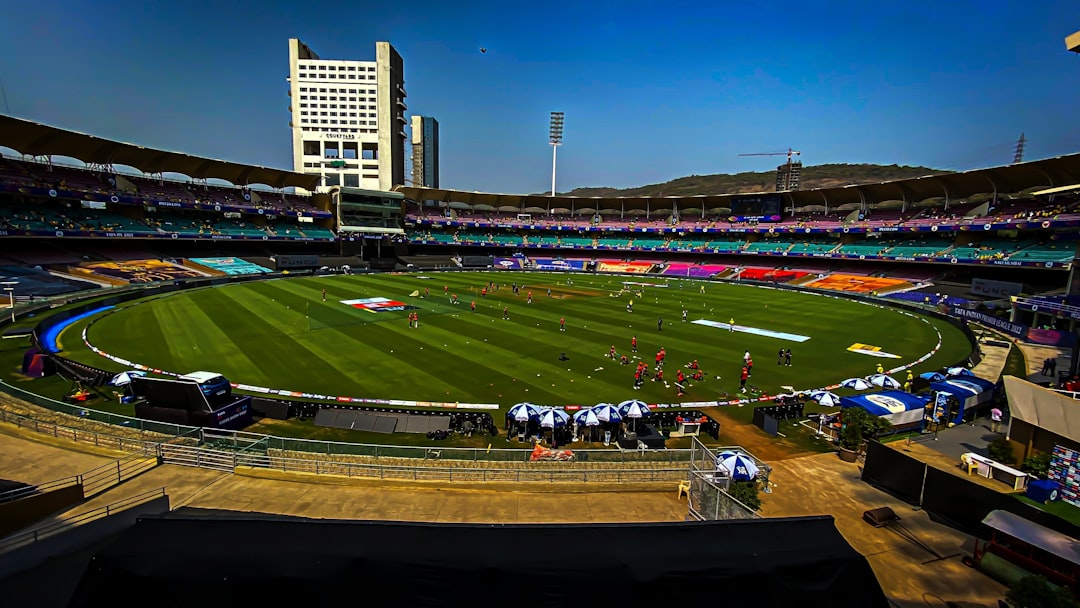
Across cricket grounds from suburban club fields to international stadiums, the smell of roasted corn has always signaled something universal: an informal pause, a communal snack, and an instant comfort. Today that simple vendor cart is changing. Vendors are leveraging local farming trends to bring organic beverages and farm-forward merchandising into the fan experience, converting a traditional pitch-side ritual into a strategic, health-conscious, and revenue-driving operation. For a deep look at how this shift happens in practice — from sourcing and logistics to pricing and branding — read on.
Introduction: Why Corn, Why Now?
The pitch-side renaissance
Corn has always been economical, portable, and familiar — perfect for the episodic attention pattern of a cricket match. But today's fans are different: they demand transparency, authenticity, and healthier options. Vendors are responding by pairing corn snacks with organic beverages sourced from nearby farms, creating a new micro-economy in stadiums. For insight into how food vendors are evolving at large sporting events, see our feature on dishing out gold: street food vendors at major sporting events, which shows how taste and situational convenience drive sales velocity.
Why local farming matters to fans and vendors
Local sourcing reduces supply chain length, improves freshness, and appeals to sustainability-minded fans. Stadium-goers increasingly choose products that reflect regional identity and ethical sourcing. That intersection — local farming and fan preferences — is a marketing goldmine. Vendors who can tell a story about the farm behind the drink differentiate their product on both taste and provenance.
How this guide will help
This is a practical, tactical guide for vendors, stadium operators, and team merch directors. You'll get implementation roadmaps, pricing frameworks, logistics considerations, merchandising approaches, and sample KPIs. We also pull lessons from adjacent industries — logistics optimization, e-commerce merchandising, and community initiatives — to show transferable tactics for stadium food entrepreneurs.
Section 1 — Tradition: Corn and Stadium Culture
Origins and cultural resonance
Roasted corn and boiled corn snacks are embedded in the urban culture of many cricket-playing countries. It's not just food; it's a ritual that connects fans across socio-economic strata. That deep cultural resonance means introducing new products must respect tradition: keep the sensory cues (smell, warmth, texture) while innovating the ingredient list or packaging.
From street to stands — evolution of the vendor role
Street vendors have migrated into formal stadium concessions, bringing improvisational product design and nimble operations. The most successful vendors combine that street-level agility with data-driven inventory and merchandising approaches, a pattern we see mirrored in successful sports retail partnerships like epic collaborations: how major brands tie into sports merchandising.
Lessons for introducing organic beverages
Respect local rituals while educating fans. A small sampling campaign — for instance, pairing bite-size corn portions with a chilled organic beverage sample — lowers friction and builds taste acceptance. Many stadiums now run product trials during lower-attendance days as pilots before full rollouts.
Section 2 — Local Farming & Sourcing: Building the Pipeline
Establishing farmer-vendor partnerships
Strong vendor-farmer relationships begin with mutual incentives: guaranteed volumes, transparent pricing, and predictable pickup schedules. Aggregators or co-ops can be a middle layer for smaller farms. When negotiating, vendors should build in quality checks, simple traceability (farm codes, harvest dates), and shared branding opportunities that give farmers visibility at the point of sale.
Seasonality, crop selection, and product design
Match beverage offerings to seasonal availability to keep costs predictable and taste profiles fresh. Corn pairs well with citrus-based organic drinks or herbal infusions in summer, and with warm spiced beverages in cooler months. Agricultural market signals — like those discussed in soybean trading insights: how agricultural trends affect penny stocks — can provide macro cues on likely price volatility and help plan hedging or menu changes.
Logistics and cold-chain basics
Short supply routes limit cold-chain needs, but for chilled organic juices you need reliable refrigeration and quick turnover. Stadiums with deeper retail tech stacks are partnering with logistics innovators to smooth these flows; a useful case study on operations modernization is transforming logistics with advanced cloud solutions. Small vendors can start with daily pickups and insulated containers before investing in permanent cold-storage racks.
Section 3 — Product Innovation: Organic Beverages That Sell
Formulation principles: health, taste, and speed
Successful stadium beverages balance immediate refreshment with a short service time. Cold-pressed juices, low-sugar fermented drinks, and herbal infusions tap into health trends while offering fast pour-and-serve mechanics. Keep ingredient lists short, emphasize natural sweetness from fruit rather than added sugars, and use clear labeling to educate health-conscious buyers.
Packaging, portioning and shelf-life solutions
Use compostable cups where possible to reinforce sustainability messaging; however, compostable materials can be more expensive and sometimes less durable. Consider reusable-cup campaigns (deposit-and-refund) or partnerships with stadium waste programs to handle end-of-life processing. For background on eco energy considerations that often accompany stadium retrofits, see solar power and EVs: a new intersection for clean energy.
Taste-first prototyping and A/B sampling
Run micro-experiments during practice days or low-attendance matches. Use small-batch runs with QR-backed surveys to collect quick feedback on temperature, sweetness, and aroma. Digital sampling can be bolstered by promotions and influencer tie-ins; think local athletes or micro-influencers who resonate with community fans.
Section 4 — Merchandising: Turning Drinks into Brand Extensions
Cross-sells, co-branding and farm labels
Pair beverages with themed merchandising: corn brande d cups, limited-run bottles with farm stories, or collectible cup sleeves. Co-branding with farms elevates authenticity and creates a story-led premium. For guidance on successful brand tie-ins in sports retail, read epic collaborations: how major brands tie into sports merchandising.
Merch and menu bundling strategies
Bundle organic beverages with heritage corn snacks at a slight discount to increase average order value. Limited-time sandwiches, combo offers, and merch-linked discounts (e.g., show your match-day scarf and get 10% off your drink) help drive incremental spend and cross-category discovery. Successful retail programs often use promotional cycles similar to fashion and brand discount strategies discussed in score big with Adidas: the ultimate guide to discounts.
Scarcity, collectability and fan culture
Create collectible runs: seasonal bottles, team-colored packaging, or farm-of-the-week labels. These become nostalgic items fans keep or share on social, amplifying brand reach at low media cost. Pairing collectability with cause marketing (a portion of sales supports local farm initiatives) increases emotional resonance.
Section 5 — Operations: Pricing, Inventory, and Point-of-Sale
Pricing frameworks for stadium vendors
Pricing must reflect both cost inputs and perceived value. Organic beverages usually carry a premium; vendors should communicate reasons clearly — traceability, farmer premiums, no-sugar formulations — so fans understand the value proposition. For practical small-business pricing tips that translate to vendor stalls, reference navigating economic challenges: pricing strategies for small business success.
Inventory control and tech stacks
Inventory turnover is critical — perishable beverages require tight stock control. Small vendors can adopt off-the-shelf POS systems tied to basic inventory modules. Larger stadium programs may layer advanced warehouse and forecasting tools, similar to the approaches in revolutionizing warehouse data management with cloud-enabled AI queries.
Payments, offers and digital promotions
Accepting contactless and mobile wallets accelerates throughput in queue-heavy environments. Integrate pay-by-app offers, loyalty stamps, and flash coupons. Innovations in payment convenience like those described in navigating AI shopping: PayPal's new era of convenience provide a view of where friction can be removed for faster sales cycles.
Section 6 — Fan Experience: Health Trends and Community Engagement
Aligning with health-conscious audiences
Fans increasingly view match-day food as part of their lifestyle choices. Organic beverages, clear ingredient labels, and lower-sugar options make stadium time compatible with fitness or dietary goals. Position these offerings with visible nutrition facts and clear allergen calls to win trust among discerning fans.
Community programs and local impact
Investing in local programs — farm education, youth agriculture workshops, or community harvest days — turns customers into advocates. Partnerships with nonprofits and community initiatives can be structured to share proceeds or visibility; examples of community impact frameworks can be found in community impact: how dollar value affect local nonprofits and their initiatives.
Event activations and experiential moments
Create pitch-side activations that spotlight farms and farmers. Live-roasting demonstrations, farm pop-ups, or meet-the-farmer signage make the supply chain visible and memorable. For playbook ideas on community-driven sporting events, see harness the power of community: organizing local patriotic sports events.
Section 7 — Sustainability & Infrastructure
Waste reduction and circular strategies
Compostable cups and food-waste capture reduce landfill impact, but stadiums need composting partners to realize the benefit. Start small: pilot a single gate with compostable packaging and a clear disposal stream before upscaling these initiatives to the entire venue.
Energy, transport, and stadium investment
Stadiums investing in on-site renewables and EV charging support greener vendor operations and may reduce operating costs over time. Tie these investments to vendor incentives — discounted stall fees for certified low-waste vendors, for instance. For thinking about stadium-scale clean-tech synergies, review solar power and EVs: a new intersection for clean energy.
Containerization and distribution efficiencies
Adopt containerization methods and scheduled drop-offs to avoid repeated small shipments that inflate costs and emissions. Lessons from port and container logistics — that emphasize consolidation and predictable slots — can be adapted for stadium micro-logistics; see containerization insights from the port.
Section 8 — Merchandising & Digital Brand Interactions
Digital experiences that extend physical sales
QR codes on cups take fans to farm stories, recipe cards, and limited-time merch drops. Digital activations extend the post-match experience and provide data for retargeting. Understanding brand-to-consumer interactions in a digital-first world is essential; for a high-level framework, review the agentic web: navigating brand interactions in a changing digital landscape.
Content and storytelling playbooks
Create short-form content showing the farmer, the harvest, and the drink being made. These visual narratives convert better than claims alone. Content lessons from adventurous creators — emphasizing authenticity and narrative hooks — can be found in case studies like content lessons from Alex Honnold's urban free solo.
Merchandising tie-ins and product extensions
Think beyond single-use sales to longer-term revenue streams: branded reusable bottles, artisan preserves made from leftover fruit, and limited-edition scarves or pins tied to farm partners. Collaborations with fashion or lifestyle brands that translate athletic heritage into wearable items expand reach and margins; learn how crossover products perform in pieces like from workout to jewelry: functional pieces inspired by athletic campaigns.
Section 9 — Case Studies & Roadmap to Implementation
Mini case study: Stall to stadium chain
A regional vendor began selling roasted corn with a seasonal organic lemonade sourced from a cluster of small farms. They tracked daily sell-through and gradually increased their cold storage investment as demand grew. After three months of positive margins and fan feedback, they entered a pilot concession in a nearby stadium and used data to negotiate a more favorable revenue share with the venue.
Implementation timeline and milestones
Suggested 6-month timeline: month 1 — source partners and run taste tests; month 2 — finalize packaging and pricing; month 3 — implement pilot in community matches; months 4–5 — scale to weekday and weekend matches; month 6 — evaluate KPIs and partner with stadiums for larger rollouts. Use inventory and forecasting tools to smooth transitions; vendors scaling up often emulate practices discussed in revolutionizing warehouse data management with cloud-enabled AI queries.
KPI dashboard and what to measure
Key metrics include sell-through rate, average transaction value, margin per SKU, sampling conversion rate, and social mentions of farm partners. Track waste diversion rates and customer satisfaction scores as secondary metrics. If advertising or promotions are part of the strategy, be mindful of platform changes and measurement shifts referenced in navigating advertising changes: preparing for the Google Ads landscape shift.
Pro Tips: Pilot small, measure fast, and tell the farm story visually. Seasonal bundles and limited-edition runs create urgency. Use QR-triggered discounts to convert sampling into repeat purchases.
Comparison Table: Beverage Options for Pitch-Side Sales
| Option | Primary Source | Avg Cost/Unit (USD) | Shelf Life (refrigerated) | Typical Margin | Fan Appeal |
|---|---|---|---|---|---|
| Traditional Soda | National beverage brand | 0.25 | 180 days | 40–50% | High (taste-driven) |
| Corn-Based Drink (e.g., roasted-corn infusion) | Local farms / mill | 0.40 | 3–5 days | 50–70% | Medium (novelty + tradition) |
| Cold-Pressed Organic Juice | Local fruit farms | 0.90 | 3–7 days | 60–80% | High (health-conscious) |
| Low-Sugar Fermented Drink (Kombucha style) | Local tea/herb growers | 0.80 | 14–21 days | 55–75% | Medium–High (niche, trendy) |
| Herbal Infusion (Tulsi/Lemon) | Local herb farms | 0.35 | 5–10 days | 65–85% | Medium (wellness-focused) |
Section 10 — Risks, Regulations & Mitigation
Food safety and labeling rules
Comply with local public health rules for perishable goods. Clear labeling for allergens, preservation methods, and farm origins is non-negotiable. Vendors should consult stadium food safety officers early and maintain trace logs for per-batch traceability.
Price volatility and supply risk
Agricultural inputs fluctuate. Build simple hedges: diversify farm partners, maintain buffer orders, and align menu seasonally. Monitoring crop market trends can provide early signals; macro agricultural commentary in publications such as soybean trading insights highlights how commodity swings can propagate to retail costs.
Regulatory permits and stadium policy
Vendors must navigate concession agreements, waste policy, and licensing for alcohol or exotic products. Early engagement with stadium operators and clear performance milestones make approvals easier and create a partnership dynamic rather than adversarial oversight.
Conclusion: The Field Ahead
Recap of the opportunity
Integrating local farming with pitch-side organic beverages and corn-forward snacks transforms a simple concession into a multi-dimensional fan experience. When executed well, this model raises spend per head, strengthens community ties, and differentiates a venue's brand proposition.
Immediate next steps for vendors
Start with a single-farm partnership, pick one seasonal beverage, run a three-week pilot during community matches, and instrument sales and feedback channels. Use affordable POS and low-cost digital promotions to capture quick data and iterate rapidly.
How stadiums and teams can help
Provide pilot slots, preferential waste streams, and basic refrigeration access for vendors. Stadiums that incubate local vendor innovation can boost community goodwill and long-term revenue diversification. See playbooks on community and events thinking in harness the power of community and how festival curation can inform event design in the art of mindful music festivals.
Frequently Asked Questions
Q1: How much premium can I realistically charge for organic beverages?
A1: Expect to charge a 20–50% premium over standard soft drinks depending on your market. Communicate provenance and health benefits clearly to justify the price.
Q2: Where do I find small local farms to partner with?
A2: Start with local farmer markets, agricultural extension offices, and co-ops. Aggregator platforms or community programs — like those mentioned in community impact case studies — can accelerate matches.
Q3: How do I manage short shelf life for cold-pressed juices?
A3: Use daily production runs, chilled transport, and limit SKUs per day. Pilot smaller batch sizes and track sell-through closely to avoid waste.
Q4: What tech tools do I need to begin?
A4: Start with a modern POS accepting cards & mobile wallets, a basic inventory tracker, and QR-enabled labels for marketing. Advanced vendors later layer forecasting and warehouse tools.
Q5: How can I measure the success of a farm-to-stand pilot?
A5: Track sales per match, average transaction value, repeat purchase rate, sampling-to-purchase conversion, and social mentions. Coupling qualitative fan feedback with hard metrics yields the best insights.
Related Reading
- Dishing Out Gold: Street Food Vendors at Major Sporting Events - How street food dynamics scale to stadium environments.
- Epic Collaborations: How Major Brands Tie Into Sports Merchandising - Lessons on co-branding and licensing.
- Soybean Trading Insights: How Agricultural Trends Affect Penny Stocks - Macroeconomic cues for agricultural inputs.
- Revolutionizing Warehouse Data Management with Cloud-Enabled AI Queries - Warehouse practices and forecasting for perishables.
- Harness the Power of Community: Organizing Local Patriotic Sports Events - Community-first event playbooks for engagement.