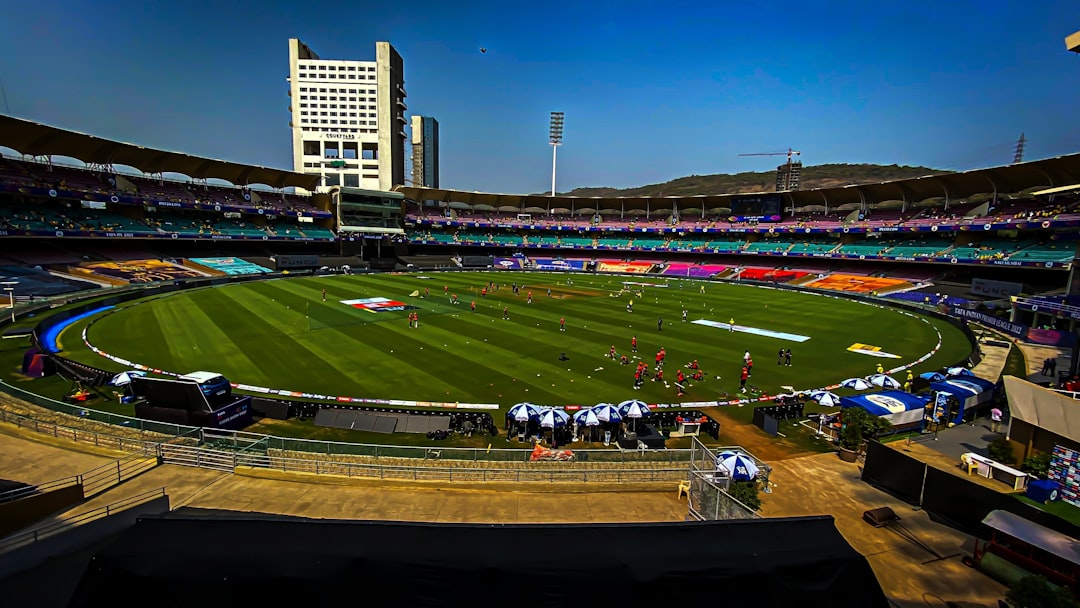
Cold Fronts and Hot Matches: The Impact of Weather on Game Strategy
How sudden cold snaps, dew-laden nights or gusting winds in places like Dallas force coaches, captains and support teams to rewire tactics in real time. A deep tactical analysis for match-ops teams and cricket fans who want to understand exactly how environmental factors reshape decisions from the toss to the final over.
1. Why weather is a tactical variable, not just a scheduling headache
Weather as a dynamic input
Weather is not background noise — it’s an active input to the tactical model. Wind affects swing; humidity alters air density and ball behaviour; temperature changes pitch moisture and grass cover; dew turns the night side into a batting paradise. When a cold front is forecast in an organizing city like Dallas, those are not just meteorology notes for event ops: they are constraints that change optimal choices for captains, bowlers and ground staff.
Decision layers affected
At least five operational layers change: pitch preparation, toss and match-up selection, bowling plans, batting order and running strategy, and broadcast/fan operations. Each layer has knock-on effects: a decision to bowl first because of expected evening dew also reshapes powerplay field settings and bowler workloads. Modern teams treat weather as a multi-disciplinary problem requiring analytics, logistics and on-the-ground experience.
Why Dallas is a useful case study
Dallas sits at a crossroads for variable spring/fall weather — rapid temperature swings, frontal systems that move in strong winds, and humidity cycles that create heavy dew after sunset. That mix is why we use Dallas as a lens: it demonstrates how environmental factors — cold fronts, humidity and wind — produce a spectrum of tactical adjustments coaches must account for, from micro-decisions like ball change timing to macro-strategy like batting depth.
2. The science: how temperature, humidity, wind and precipitation alter the ball and pitch
Air density, swing and seam
Colder air is denser. Denser air increases aerodynamic forces on the ball, which magnifies swing for the same seam position and seam presentation. Swing bowlers often get exaggerated movement during cold fronts. Teams can quantify this: measuring ball deviation in metres per second of crosswind or degree drop per 100 hPa pressure change helps coaches forecast which bowlers will profit from a cold morning in Dallas.
Humidity, dew and moisture dynamics
High humidity alone doesn't create dew — but as temperature drops at dusk, moist air condenses on surfaces. Dew creates a slick ball, reducing friction and diminishing spin bite while increasing risk of the ball skidding through on fast bowling. Spinners lose grip and turn; pace bowlers sometimes enjoy skidding seam where swing has disappeared. Knowing the local dew timing is crucial for night matches.
Wind: directional advantage and fielding challenges
Wind both helps and hurts. A tailwind can push boundaries further, while a headwind shortens them for bowlers. Crosswinds alter swing trajectory. For fielders, wind complicates catching and boundary placement. Stadium orientation matters: those organizing match-day operations need to map wind vectors against ground azimuth to set defensive rings and choose bowling ends.
3. Toss, batting order and powerplay — tactical knobs to turn
Toss as a strategic lever
The toss has always been important, but in venues with strong environmental variability it becomes a decisive tactical lever. Captains who anticipate late-night dew often elect to bowl first; those expecting morning swing may bat first and try to set a competitive total before conditions ease. The toss decision must combine forecast timing, pitch health and the team’s bowling depth.
Batting order flexibility
Weather demands flexible batting orders. If a cold morning promises pronounced seam movement, promote an extra left-right pairing early or send a groundstroke-heavy batter to negate movement. Conversely, if dew is forecast, keep aggressive finishers lower down to capitalise on easier late overs. Teams that practise multiple batting orders increase tactical options.
Powerplay fielding and bowling rotation
During adverse conditions, captains often tighten powerplay fields to protect wickets instead of maximizing runs conceded. Bowling rotations change: use your new ball bowlers early in cold, swing-friendly conditions; preserve change-ups for the dew-affected phase. Successful captains anticipate transitions and pre-plan bowler windows rather than reacting mid-over.
4. Bowling plans: how pacers, swing bowlers and spinners adapt
Pacers and seam plans
Cold fronts favour seam and swing. Bowlers must adapt lengths: fuller lengths promote swing, while slightly shorter can exploit seam off the pitch if the wicket offers uneven bounce after a wet day. Bowlers should monitor ball condition, seam position and crosswind; analytics teams track what seam presentation delivered the highest lateral deviation in previous similar conditions.
Swing specialist usage
Use swing specialists in quartet bursts early when the air is densest or when crosswinds peak. Rotate bowlers to keep the seam profile fresh. Overuse reduces effectiveness as the ball gets older and scuffed. Bowling captains should consult analytics dashboards that tie ball age and seam condition to probability of wicket-taking deliveries.
Spin contingencies
Spinners are disadvantaged when dew makes the ball slick and the pitch damp. If meteorology models predict post-sunset dew, captains may reduce spinner overs and hold them as surprise options where grip is regained (e.g., during a dry spell or if the pitch develops bite late in the day). Team practice routines need sessions where spinners bowl with damp balls to simulate real match scenarios.
5. Batting tactics: shot selection, running and pacing innings
Shot selection by phase
During swing-friendly windows, prioritize late shots, soft hands, and leave more — survival matters. When dew arrives, shift to boundary-seeking strokes and rotate strike aggressively. Batting coaches should train players to switch mental models mid-innings: controlling run rate under ball movement, then exploiting easier bowling in the death overs.
Running hard vs preserving wickets
Wet outfields can slow the ball; conversely, dew can speed it to the ropes. Running between wickets must be adjusted: in cold, slippery conditions, increase focus on safe running and communication; in dew, risk higher but watch for skids on wet pitches that cause fielding misfires. Conditioning and sprint training under varied conditions improves decision-making.
Pacing innings and resource management
Teams must allocate overs strategically. If the forecast says batting will be easier at the end due to dew, structure your innings to preserve wickets for a late acceleration. Conversely, if early conditions favour bowlers, invest early overs in consolidation and aim for late-powerplay exploitation. Use on-field analytics to track required run rates and adjust the strategy dynamically.
6. Ground staff, pitch prep and ball-handling protocols
Pitch covers, rolling and moisture management
Ground teams have the hardest operational job when weather is variable. Proper use of covers, targeted rolling and selective watering can change how a pitch plays after a cold front. For example, rolling after a frost can compact the surface and reduce excessive seam, while light watering before a night game in dry conditions may reduce spin for evening dew considerations.
Ball-handling and replacement policy
Maintaining a playable ball under dew or heavy humidity requires stricter ball rotation policies. Captains and match referees should agree on ball-change patterns and cleaning protocols. Some teams stash spare balls treated with specific grip oils to help spinners; however, any treatment must comply with the laws and be transparent to match officials.
Legal and safety boundaries
Portable power, field equipment and temporary structures used to protect pitches and broadcast rigs carry legal constraints. For a deep practical overview of hosting tech at weather-risk events, see our field-test review of portable power and tech legal considerations. Planning ahead with vendors and local authorities reduces last-minute cancellations and liability.
7. Logistics, transport and fan experience: beyond the playing XI
Transport and micro-hub resilience
Weather disruption cascades into logistics. Cold fronts and storms delay team buses and equipment trucks. Designing micro-hub strategies for inventory and last-mile contingencies helps maintain supply chains. Read about edge-driven logistics strategies that translate well to match-day ops in our piece on micro-hubs and market microstructure.
Fan operations and hospitality contingencies
For fans and VIPs, quick changes in weather require flexible hospitality models — heated shelters, alternate naming rights usage and reconfigured VIP flows. Stadium personalization playbooks help stadiums translate hotel tech to lounges to keep guests comfortable during abrupt temperature changes. See our guide on stadium personalization & hospitality for detailed ideas.
Micro-events and local activations
Smaller on-site activations — food pop-ups, micro-events and coastal-style experiences — must have weather-adaptive plans. Our micro-events playbook outlines payment flows and volunteer ops that scale down for weather-affected days: Micro-Events & Coastal Pop‑Ups explains how to reconfigure operations quickly without losing revenue.
8. Broadcast, streaming and data — adapting the feed to the forecast
Streaming priorities during disruption
Broadcasters must reroute camera positions and account for weather-driven content changes: fewer outdoor crowd shots during cold rains, different miking strategies under wind, and additional graphics to show forecast-driven tactical choices. For low-latency, weather-sensitive viewing, spectator experiences are evolving: check our coverage of Spectator Mode 2.0 and its lessons for sports streaming.
On-site production kit choices
Portable batteries, rugged recorders and on-device AI help keep feeds alive under adverse weather. Our hands-on reviews of portable drone batteries and hybrid location kits highlight dependable gear for broadcast teams operating under tight weather windows. Plan redundancy into power and capture chains.
Optimising discoverability during irregular schedules
When matches are delayed or shortened, content discoverability is critical. Use advanced SEO and video strategies to keep mobile audiences engaged despite time shifts — see our guides on advanced SEO for video creators and publisher video slots for tactics to keep highlights and rewinds clickable in disrupted schedules. Promos and live alerts should be automated through resilient live ops architectures (scaling live ops & cloud play).
9. Technology & analytics: real-time weather-aware decision support
Edge computing for fast weather analytics
Real-time analytics at the venue — running at the edge — reduce latency in tactical decision-making. Small, fast models predict dew onset, wind changes and ball behaviour in minutes. Our piece on the future of edge computing explains how smaller data structures speed live decision loops.
Telematics and fleet safety in bad weather
Team travel must account for road conditions during a front. Edge AI telematics can proactively reroute equipment and staff to avoid delays: read the deployment playbook for fleet safety in adverse conditions here: Edge AI Telematics. Reducing arrival-time uncertainty keeps pre-match prep on schedule.
On-device AI for on-field insights
On-device AI enables production teams and coaches to run tactical models without cloud dependency. Use minimal-studio on-device workflows to provide shot suggestions, bowler match-ups and grip warnings based on sensor input. See our practical guide on on-device AI workflows for examples teams can adapt to cricket match-ops.
10. Case study: a hypothetical Dallas T20 disrupted by a cold front
Pre-match briefing and forecast analysis
Scenario: forecast predicts a 6°C drop after 3pm with strong NW winds and expected dew after sunset. The data team maps expected air density changes and dew onset to the playing hours. The captain, coach and head groundsman meet 90 minutes before toss to align on a plan: bowl first if dew develops, protect spinners, prepare field covers and shift camera rigs.
On-field tactical changes
Decision: captain wins toss and bowls. Opening bowlers exploit swing immediately; a left-armer with an in-swing plan is used with the new ball. Batting orders are shuffled so that finishers who love hitting in dew are preserved for the late overs. Ground staff apply additional rolling mid-innings to manage seam variables.
Broadcast and logistics actions
Production moves some mic placements to sheltered positions and increases use of close-mike angles to mitigate wind noise. Transport routes for evening staff are shifted off the highway to avoid wind-induced closures. Fan alerts are pushed through social channels using pre-made templates so spectators know the revised timings and hospitality changes.
11. Tools teams should include in a weather-ready tactical kit
Hardware and field kits
Teams should have a compact cache: extra rigging for camera shelters, warmed spare balls for spinners (if legally allowed), and portable power units. For guidance on field kits that help makers and operations teams in unpredictable conditions, see portable print & field kits which offers principles easily applied to match-day packs.
Broadcast and production toolkit
Include rugged recorders, wind-resistant microphones and redundant drone batteries to keep aerials running. Our reviews of CES 2026 picks and microphone kits highlight practical equipment to survive gusts and cold starts.
Operational playbooks
Publish a short, actionable playbook: who does the venue cover removal in what wind speed? When is the decision to delay recorded and who signs it? These operational SOPs draw on micro-event tactics — for inspiration, read how micro-events reconfigure volunteer ops in our micro-events guide.
Pro Tip: Tie a live weather feed to your match-analytics dashboard. A simple dew-timer and crosswind meter alongside ball-condition data reduces decision latency and leads to clearer toss and rotation strategies.
12. Comparison: Five weather scenarios and the tactical playbook
| Weather Scenario | Likely Impact | Toss/Start Choice | Bowling Plan | Batting Adjustments |
|---|---|---|---|---|
| Cold front with strong wind | Increased swing & seam; low bounce | Bowling first if swing will ease later | Use swing specialists early; fuller lengths | Prioritize defence; rotate strike carefully |
| Hot, dry afternoon | Hard, fast bounce; more spin later | Batting first to exploit pace | Shorter length to exploit bounce; limit spinners early | Play boundaries with groundstrokes; keep long innings |
| Evening dew | Ball slippery; spinners lose grip | Often bowl first to bat in dew | Use pace bowlers who can skid; hold spinners | Exploit easier bowling late; finishers key |
| Intermittent rain showers | Variable bounce; interruptions | Depends on DLS and interruptions | Focus on containment; be ready to bowl short spells | Keep wickets in hand; accelerate in clear windows |
| High crosswind | Swing paths change; catches tricky | Toss less decisive; choose favorable end | Adjust lines to new swing angle; vary pace | Limit lofted shots; use ground options |
13. Preparing fans and monetization during disrupted matches
Communication and ticketing flexibility
Clear communication reduces frustration and churn. Offer flexible ticket options for weather-affected events and ensure point-of-sale systems can process refunds or transfers quickly. Lessons from micro-retail and night-market activations on flexible payments are relevant: implementation playbooks that allow quick refunds reduce negative sentiment.
Digital content monetization
Short-form weather explainers and tactical previews can be monetized through video ad formats and shoppable highlights. For creative ad packaging and shoppable thumbnails, check our detailed coverage on publisher video slots.
Keeping local vendors viable
Provide vendor shelter or micro-hub fulfilment to sell hot beverages and weather gear quickly when forecast changes. Micro-events playbooks show how to pivot vendor operations during unpredictable conditions and preserve revenue streams.
14. Final checklist: 12 tactical actions to execute pre-match
- Pull a 3-hour and 30-minute weather brief and align on dew timing.
- Decide toss policy thresholds (e.g., if dew expected after 6pm, opt to bowl).
- Prepare alternate batting orders and communicate scenarios to players.
- Map wind vectors against stadium orientation to set fields.
- Stage spare equipment (batteries, mics, sheltered cams) as per production gear guides.
- Set ball rotation and cleaning protocols compliant with match laws.
- Confirm transport reroutes using edge telematics workflows (edge AI telematics).
- Coordinate ground-staff rolling/watering decisions based on forecasted pitch moisture.
- Activate fan-communication templates and flexible ticketing SOPs.
- Complete production redundancy (hybrid kits and drone battery checks — drone battery review).
- Load weather-aware tactics into on-device AI dashboards (on-device AI workflows).
- Hold a 15-minute operational huddle to confirm roles and triggers for delays or abandonment.
Frequently Asked Questions
Q1: How does dew timing influence the toss decision?
A: Dew timing is crucial. If substantial dew is expected early in the second innings, captains frequently bowl first to ensure batters face easier conditions later. However, cold morning swing can reverse the logic — each decision must weigh the net projected advantage over the full match duration.
Q2: Can ground staff eliminate swing or dew impact?
A: Ground staff can mitigate but not eliminate environmental effects. Proper covers and rolling reduce moisture-driven changes; strategic watering and mowing affect bounce and grass cover, influencing seam. But air density and ambient humidity are beyond human control.
Q3: Are there legal limits to treating the ball to improve grip in humid conditions?
A: Yes. The Laws of Cricket restrict artificial alterations to the ball. Teams must adhere strictly to cleaning and polishing rules approved by umpires; any substances or treatments that change the ball’s condition unlawfully can result in sanctions.
Q4: How should broadcasters adapt when a match is delayed by weather?
A: Broadcasters should switch to flexible programming, use filler content explaining tactical implications, and keep fans engaged with behind-the-scenes operations. Use low-latency streaming and pre-packaged explainers to retain viewership — see strategies in our spectator-mode and live ops coverage.
Q5: What equipment is non-negotiable for resilient match-day production?
A: Redundant power (portable units), wind-resistant mics, spare batteries for drones and cameras, and hybrid recorders with on-device AI for quick edits are essential. Our reviews of hybrid kits and the portable drone battery review provide concrete product options.
Conclusion
Weather in cricket is not a passive backdrop; it's an active agent that reshapes match strategy across multiple axes. Whether you're a captain deciding the toss in a windy Dallas afternoon, a broadcast producer shoring up feeds against gusts, or a groundsman choosing to roll the pitch after a frost, the same rule applies: plan for variability, automate decision triggers where available, and practise adaptable tactics. Teams that integrate meteorology, edge analytics, and operational redundancy — drawing lessons from micro-hub logistics, stadium personalization and hybrid production kits — will consistently convert environmental uncertainty into competitive advantage.
Related Reading
- Cloud Gaming in 2026: Latency Hacking - Lessons on low-latency distribution applicable to live sports feeds.
- Review: Top Link Management Platforms - Best practices for routing content links and alerts during schedule shifts.
- Field-Test Review: Legal Considerations for Portable Power - Legalities around on-site tech deployments and power solutions.
- Field Review: Best Portable Drone Batteries - Which batteries kept aerials running in our cold-weather tests.
- Minimal Studio, Maximum Output - On-device AI workflows that reduce cloud dependency in adverse conditions.