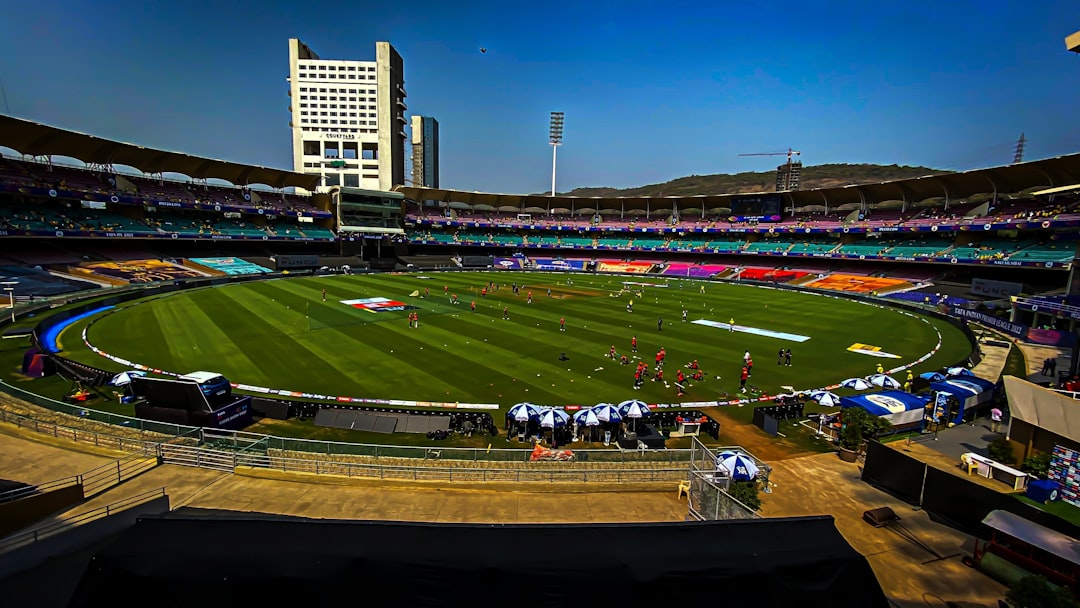
International players are no longer peripheral guests in domestic cricket — they are architects of change. Across Asia, Africa, and emerging cricket markets, the steady influx of overseas talent is accelerating professionalization, transforming fan engagement models, and forcing clubs, leagues and media partners to rethink everything from scheduling to regional-language coverage. This longread unpacks the structural shifts, offers an operational roadmap for leagues and clubs, and examines how creators and local businesses can harness the opportunity. For practical playbooks on creating high-quality local productions and social-first experiences that amplify this shift, see the Host’s Field Kit: Building Tiny Social Studios and the Micro‑Studio Playbook for Tamil Creators in 2026.
1. Why international stars matter to regional cricket
1.1 Talent transfer: fast-track skill uplift
International players bring refined techniques, tactical nous and professional habits that are difficult to replicate through short clinics alone. Their presence in nets, in dressing rooms and across training drills exposes local talent to higher practice intensities, modern workload management, and on-field decision-making under pressure. The result is measurable: domestic players who share dressing rooms with internationals typically show accelerated improvements in strike rotation, situational batting and death-overs execution within a single season. Leagues that actively design mixed squad training sessions capture more value than those who merely sign stars for the fixture list.
1.2 Commercial uplift and sponsorship gravity
Overseas names attract sponsorships, broadcast interest and corporate hospitality deals that previously bypassed regional competitions. Sponsors view international participation as a signaling mechanism — it elevates a league’s credibility and widens demographic reach. That gravitational pull translates into higher ticket demand, premium corporate boxes and more valuable streaming inventory. Smart commercial teams turn the star effect into long-term partnerships by bundling local talent showcases with marquee appearances.
1.3 Cultural exchange and diversity on and off the field
International players are cultural conduits. They introduce alternative training philosophies, nutritional routines and fan interactions that broaden what fans expect from clubs. Diversity in dressing rooms fosters multilingual communication, fresh on-field strategies and new fan rituals. Regional cricket expands its identity when it learns to translate these cross-cultural assets into local narratives — a process that requires investment in translation, localized content and creator partnerships to tell the story authentically.
2. How domestic leagues are restructuring: contracts, windows and economics
2.1 Short-term contracts, windows and availability
Leagues manage international arrivals with short-term, high-impact contracts and carefully planned international windows. This avoids conflicts with national duty while maximizing moments of peak engagement — think finals, derbies and festival weekends. Operationally, leagues now design mini-seasons and star windows that mirror the micro-launch tactics used in other industries; the same logic underpinning the micro-launch playbook for indie games applies: build anticipation, concentrate supply and measure impact in a condensed window.
2.2 Salary caps, player pools and domestic retention
To avoid crowding out local talent, many leagues adopt salary bands, foreign-player caps and retention rules for homegrown players. These mechanisms protect development pathways while enabling marquee signings. Financial transparency and shared revenue models help clubs invest in grassroots programs rather than short-term star bidding wars. Leagues that lock salary band frameworks early create a marketplace where clubs can plan multi-year talent strategies instead of chasing ephemeral headlines.
2.3 Scheduling, broadcasters and production economics
When internationals arrive, broadcasters demand higher production values and flexible scheduling to suit global audiences. That triggers investments in remote-production kits and regional content studios that produce pre-game features, player stories and localized segments. The operational lessons are similar to those in retail and pop-up event plans: coordinate logistics, test small, scale fast and iterate on viewer feedback — strategies outlined in the new pop-up playbook and the advanced retail tactics for local discovery.
3. Fan engagement reimagined: micro-events, creators and local hubs
3.1 Live pop-ups, meet-and-greets and micro‑events
Fans crave proximity. Pop-up watch parties, autograph clinics and training-ground open sessions convert casual viewers into superfans. The blueprint for effective pop-ups borrows from consumer brands: use micro-calls, pop-up contests and hybrid discovery techniques to localise the experience and seed social content — a playbook explained in The Submission Sprint. When clubs plan pop-ups aligned with international players’ availability, attendance and social reach spike.
3.2 Micro-hubs and city-level fan communities
Clubs are building micro-hubs — small, persistent community centres and fan cafés — to host screenings, coaching clinics and merch drops. Micro-hubs reduce the friction for fans and create hyperlocal revenue streams. Operationally, micro-hubs mirror the logistics strategies found in micro-hubs and market microstructure playbooks, which emphasize edge logistics, local partnerships and fast feedback loops; see an applied perspective in Micro‑Hubs and Market Microstructure.
3.3 Hyperlocal offers, discounts and ticketing tactics
Dynamic pricing, micro-discounts for neighbourhood fan clubs and bundle offers fuel conversion. Trend reports highlight how micro-discounts and hyperlocal offers drive quick engagement spikes; clubs can emulate these tactics for family packages, student deals and early-bird bundles. For specific tactics that translate to better on-ground conversions, review the analysis in Trend Report: The Rise of Micro‑Discounts and Hyperlocal Offers.
4. Regional-language coverage and translation: the missing multiplier
4.1 Technical approaches: embedding translation into media stacks
High-quality regional-language coverage needs automated translation workflows that integrate with editing and publishing pipelines. Embedding translation into automation reduces turnaround time for match reports, social clips and player interviews — crucial when international stars create daily headlines. Developers and content teams should prioritize robust translation APIs, human-in-the-loop checks and GPU-backed batch processing; a practical integration guide is available in Embedding Translation into Your Automation Pipelines.
4.2 Creator partnerships and micro‑studio networks
Local creators are the bridge between international narratives and regional audiences. Creating a micro-studio network of vetted creators multiplies reach and preserves context. The playbook used by Tamil creators is instructive — small, low-cost studios delivering high-impact regional stories can be scaled across languages, as shown in the Micro‑Studio Playbook for Tamil Creators. Leagues should subsidize equipment grants and joint editorial calendars with creators to ensure consistent, timely regional coverage.
4.3 Case study: localized storytelling for deeper fan bonds
A small South Asian league that integrated day‑after regional-language recaps saw a 30% uptick in local viewership for matches featuring internationals. They combined automated translation, a cadre of local presenters and field production kits to deliver high-quality short-form recaps. Equipment choices and field workflows were informed by field-kit reviews, including compact microphone and deck kits that work on tight budgets; see the hands-on perspective in Tool Review: Nimbus Deck Pro + Field Microphone Kit.
5. Club-level development: coaching, youth pathways and infrastructure
5.1 Knowledge transfer and coaching clinics
Clubs must design structured knowledge-transfer programs when bringing internationals into the fold. This means scheduled clinics, coach shadowing and curriculum alignment with national boards. Organizing clinics as a series of micro-events increases impact and makes it easier to measure learning outcomes. Operational advisories on running effective micro-events draw on wider micro-event playbooks like those documented for community creators and pop-ups.
5.2 Youth pathways and guaranteed minutes
Long-term player development requires guaranteed minutes for local prospects. Leagues can mandate a minimum number of overs or matches for academy graduates, or offer incentives for clubs that promote youth players alongside international signings. These guarantees reinforce the club’s development mission and preserve the pipeline that feeds national teams.
5.3 Facility investment and standards
Hosting internationals often exposes gaps in practice facilities, physiotherapy and travel logistics. Clubs that anticipate this and make targeted investments in gyms, recovery tech and broadcast-ready practice nets gain recruiting advantages. Coordinating such investments with local sponsors and hyperlocal fulfilment partners improves ROI; for strategies on local fulfilment and edge capabilities, see Why Hyperlocal Fulfilment and Edge AI Are the Competitive Advantage for US VIP Card Merchants.
6. Commercial models: merch drops, microbrands and fan commerce
6.1 Micro-launches and capsule collections
Capsule merchandise drops timed with international arrivals can create urgency and media momentum. The same scarcity-first tactics used by viral clothing labels (micro-releases and capsule shelves) work equally well in sports merch. Clubs should adopt a calendar of micro-releases, supported by creator content and pop-up activations, much like the product playbooks used by brands in other verticals; read the merchandising parallels in the Capsule Shelves & Sustainable Scarcity Playbook.
6.2 Payments, UX and regional commerce partners
Seamless local payments, mobile wallets and checkout experiences increase conversion on merch and tickets. Future-proofing a microbrand includes robust payment rails, returns policies and localization of checkout flows — a topic explored in business playbooks for microbrands. Teams should work with partners that understand regional payment preferences and can scale with pop-up demand; for implementation notes see Future‑Proofing Your Microbrand: Payments, Preference UX & Toolchains.
6.3 Hyperlocal fulfilment and quick-turn shipping
Fans expect fast delivery for limited-edition drops. Partnering with local fulfilment hubs and leveraging edge fulfilment reduces shipping times and increases customer satisfaction. The logistics playbook for hyperlocal fulfilment explains how to create short supply lines and manage returns efficiently; reference approaches are laid out in Micro‑Hubs and Market Microstructure and the hyperlocal merchant analysis in Why Hyperlocal Fulfilment and Edge AI.
7. Media, creators and production playbooks
7.1 Creator frameworks: content duos and scalable workflows
Pairing producers with local presenters — content duos — creates a stable content rhythm and improves output quality. The content duos model emphasizes complementary skills: one handles production and editing, the other handles translation and audience-relatable storytelling. This workflow is an efficient way to produce both long-form features and a cascade of microcontent assets that feed socials and local channels; read the operational model in Content Duos 2026.
7.2 Field kits, live production and remote workflows
Field production needs to be lean, durable and repeatable. Compact decks, portable mics and hybrid field kits let small teams capture broadcast-grade interviews and behind-the-scenes content. Choose gear that balances audio clarity with quick setup — product reviews like the one for the Nimbus Deck Pro and field microphone kit provide pragmatic insights for constrained budgets: Tool Review: Nimbus Deck Pro + Field Microphone Kit.
7.3 New socials, experimental formats and distribution
Leagues must test emergent platforms and formats to reach younger fans. A disciplined testing checklist helps creators migrate communities without losing audience continuity; practical tips on testing new socials are outlined in Testing New Socials: A Creator’s Checklist. Additionally, digital nomad content strategies illustrate how traveling creators can build cross-border audiences that amplify international players’ stories: Digital Nomad Strategies.
8. Risks, fairness and preserving local identity
8.1 Competitive balance and quota systems
Unchecked influxes of internationals risk competitive imbalance and shrinking opportunities for locals. Leagues must calibrate foreign-player quotas and playing-time incentives to sustain local development. Effective quotas are data-driven and flexible: they adapt across formats, giving teams discretion while protecting pathways for homegrown talent.
8.2 Financial sustainability and short-term bubbles
Star-driven demand can generate revenue spikes but also inflate wage bills. Clubs that chase marquee signings without diversified income streams create financial fragility. Long-term contracts tied to performance, fan-engagement clauses and revenue-sharing models mitigate the risk of unsustainable spending. Micro-launch tactics can be monetized without accruing permanent wage overheads when approached as seasonal revenue accelerants rather than base-line expectations.
8.3 Cultural authenticity and local narratives
Bringing internationals must not erase local stories. Fans value teams that preserve regional identity — local chants, language, and heritage should be foregrounded in every campaign. The most successful leagues use internationals to expand their narrative vocabulary, not replace it; they translate global moments into local meaning through regional-language content and creator partnerships.
9. Actionable roadmap: what leagues, clubs and media should do now
9.1 For leagues: policies, windows and commercial templates
Leagues should immediately institute transparent foreign-player policies, define star-windows, and create commercial templates for sponsor activation. Adopt a modular contract template for short-term international signings that includes community obligations (clinics, local content, meet-ups) and performance incentives tied to engagement. Use pilot windows to test commercial uplift before scaling, and analyze the data to iterate on scheduling and broadcasting choices.
9.2 For clubs: development-first recruiting and community plans
Clubs must prioritize recruits who contribute beyond match days — coaches, role models and content collaborators. Insist on visible community commitments in contracts and design joint clinics with local academies. Build a calendar of micro-events around international visits and sequence them to feed social content and in-person activations for maximum effect.
9.3 For media and creators: systems, translation and distribution
Media teams should deploy translation pipelines, create a roster of micro-studio creators and standardize deliverables for league partners. Operational checklists for field production, lightweight post-production templates, and fast-translation workflows will ensure stories land in local languages within hours, not days. Think in content bundles: match highlights, player vignettes and community features designed for specific platforms and languages.
10. Measuring impact: the metrics that matter
10.1 Fan engagement KPIs
Track daily active viewers for matches, regional watch-time, pop-up attendance, social retention and conversion from content-viewers to ticket buyers. Micro-events should have specific conversion goals (e.g., percentage that join fan clubs or buy merch within 30 days). Use A/B testing for offers and iterate quickly; the micro-discount trend can be assessed using cohort analysis to understand lifetime value uplift.
10.2 Economic impact and sponsor ROI
Measure incremental revenue from sponsorships tied to international participation, changes in average ticket yield and merchandise sales per match. Sponsors will demand granular exposure metrics — impressions, engaged minutes and local-language reach — so ensure your reporting stack captures these details. Use short pilot partnerships to demonstrate ROI and secure longer-term commitments.
10.3 Development metrics and long-term outcomes
Assess player progression by tracking minutes played, skill-specific performance changes, and promotion rates from academies to senior squads. Evaluate whether international presence correlates with improved national-team pipelines. Document qualitative outcomes too: coach upgrades, new training routines and changes in professionalism.
Pro Tip: Treat international-starriness as a multiplier — not a substitute — for long-term investments. Use short windows to fund sustained development: tie a portion of star-related revenue to academy scholarships and facility improvements.
Comparison: How international players reshape different dimensions of regional cricket
| Impact Area | Primary Benefit | Main Risk | Action |
|---|---|---|---|
| On-field Performance | Immediate quality uplift | Local minutes reduced | Quota & guaranteed minutes |
| Fan Engagement | Attendance + social reach | Short-term spikes only | Micro-events + regional content |
| Commercials & Sponsorship | Higher sponsorship value | Unsustainable wages | Revenue sharing + performance clauses |
| Media & Content | Global storytelling | Language gaps | Translation pipelines + micro‑studios |
| Local Development | Coach & academy uplift | Resource diversion | Ringfence funds for academies |
FAQ
How do leagues prevent internationals from blocking opportunities for local players?
Most leagues implement foreign‑player quotas, playing-time guarantees for homegrown players and salary banding. Combine these with incentives for clubs that promote youth players (e.g., draft advantages, financial bonuses) to maintain balance between immediate competitiveness and long-term development.
Can small clubs afford to bring internationals?
Yes, if the approach is tactical: short, high-impact windows with revenue-sharing sponsorships and community-driven activations. Micro-launch tactics and capsule merch drops monetize star moments without permanent wage increases. Partnerships with regional sponsors and pop-up activations reduce upfront costs.
How should regional-language coverage be prioritized?
Start with automated translation pipelines for match recaps, then layer in human edits for player interviews and cultural nuance. Build relationships with micro-studio creators to produce timely, high-quality local-language clips that boost discoverability and trust.
What metrics show that internationals are benefiting a league?
Track increases in attendance, local-language viewership, sponsor renewals and merchandise sales. Also measure development outcomes like local player promotion rates and improved academy graduation statistics.
What are quick-win engagement tactics for clubs?
Host pop-up meet-and-greets, bundle discounted tickets with merch drops, and produce short regional-language player stories. Use small, repeatable micro-events and creator partnerships to maintain momentum after internationals depart.
Conclusion: International stars as catalysts, not replacements
International players accelerate change, but their greatest value is as catalysts that unlock local potential. Leagues that treat internationals as a lever for broader investment — in translation pipelines, micro-studio ecosystems, micro-hubs and sustainable commercial models — will secure lasting growth. Operational playbooks exist across industries: pop-up activation and micro-event strategies inform fan engagement; micro-launch and capsule-release tactics monetize star moments; and automated translation plus creator networks scale localized storytelling quickly. Explore practical production kits and creator workflows in the Host’s Field Kit, optimize hyperlocal offers with the hyperlocal discounts report, and set up short pilot windows following the micro-launch playbook. If clubs, leagues and media coordinate policies, infrastructures and creator partnerships now, international stars will leave behind stronger regional ecosystems — not just memorable highlights.
Related Reading
- How to Choose the Right Cloud Provider for IoT Devices - Useful when you’re building translation and streaming infrastructure at scale.
- The Evolution of Weekend Micro‑Adventures in Bengal (2026) - Insights on local community engagement and event micro-planning.
- Inclusive Hiring Playbook for 2026 Hiring Managers - Practical guidance for building diverse coaching and media teams.
- Sustainable Materials in Soccer Shoes: The 2026 Manufacturing Shift - Inspiration for sustainable merch and kit decisions.
- How Small Shops Beat Carrier Rate Shocks: Practical Moves After 2025 - Logistics tips to keep fulfilment costs stable during pop-up rushes.