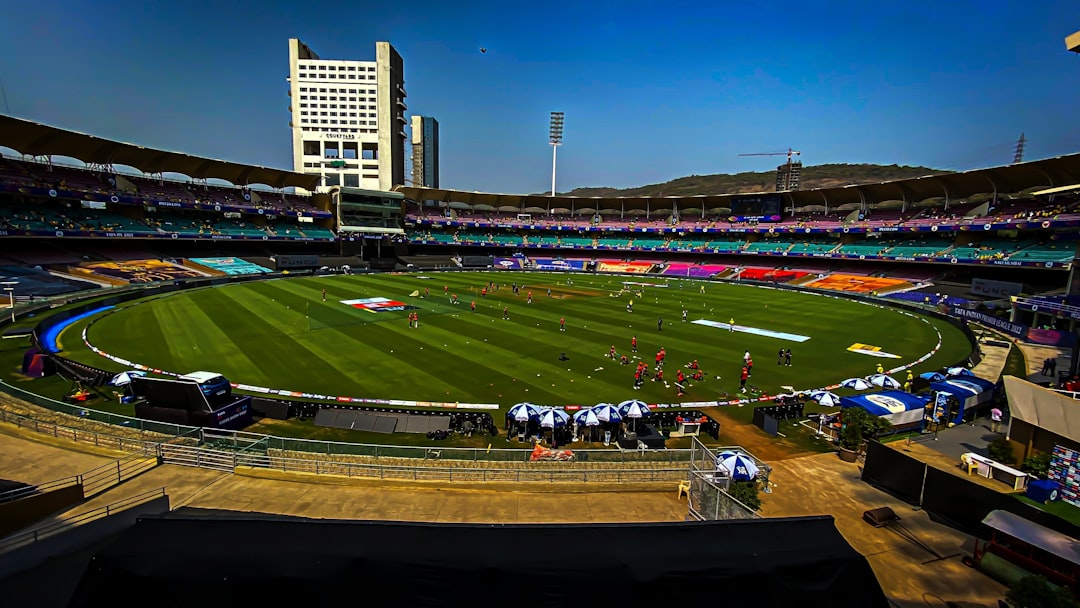
Match day operations and team logistics are as decisive as the eleven players on the field. When preparation, technology, medical readiness and crowd management sync, teams perform better and margins narrow. This deep-dive pulls back the curtain: the systems, choices and trade-offs that determine operational success, and the stark contrasts in how teams — from resource-rich national sides to lean franchise squads — build a matchday engine.
Throughout, you'll find tactical takeaways you can implement immediately, real-world examples and links to related operational thinking across travel, security and technology. For a primer on how travel complexity changes pre-match planning, see our analysis of multiview travel planning and why teams should avoid single-point booking failures.
1. Matchday Operations: Core Pillars and Why They Matter
What we mean by "matchday operations"
Matchday operations cover every touchpoint from squad arrival to post-match recovery: transport, kit, pitch, security, broadcast logistics, nutrition, medical care and data pipelines. These functions behave like a supply chain: a late bus, a missing kit bag or a delayed CCTV feed cascades into visible poor performance or reputational damage. An operations director's job is to eliminate single points of failure and build resilient redundancies.
Key metrics that define operational success
Teams measure matchday operations with KPIs such as on-time arrival percentage, medical clearance latency, kit audit accuracy, broadcast uptime and spectator throughput times. Tracking and publishing these internal metrics creates accountability and helps leadership decide where investments yield highest returns — a classic application of building trust with data across departments.
Why even small teams need big-picture ops thinking
Operational complexity scales with competition level, travel distance and fan footprint. A domestic side with limited staff cannot defer to luck; it must prioritize checklist discipline, vendor SLAs and contingency plans. For teams operating on tight budgets, creative partnerships (local hotels, transport co-ops) and precise scheduling provide outsized benefits.
2. Travel & Arrival: The Domino That Starts It All
Scheduling and travel buffers
The most common error is underestimating transfer friction. Teams that arrive with sufficient buffer hours reduce jet-lag risk and give time for pitch reconnaissance. Use multi-option bookings and avoid relying on a single carrier: for inspiration on multi-option travel frameworks, study multiview travel planning models that let teams switch legs without disrupting the whole itinerary.
Fuel and ground transport considerations
Fuel costs and availability affect last-mile schedules; monitoring local trends can prevent surprise delays. Operational teams should track regional fuel patterns and hedges in the same way they manage budgets — see the industry perspective on diesel price trends to understand how variable transport costs can affect bus rotations and backup vehicles.
Visas, cold-weather travel and border delays
Paperwork and climate-related constraints matter. When traveling to cold venues, visa timelines and equipment lists (thermal gear, special footwear) change pre-match packing and clearance. Practical guidance on cold-climate travel is available in this piece on visa tips for cold climates, which teams should integrate into their travel SOPs.
3. Accommodation and Recovery: The Invisible Performance Edge
Choosing rooms, routines and recovery spaces
Accommodation decisions have measurable performance effects. Teams that secure rooms with controlled light cycles, immediate gym access and isolated floors can optimize sleep and reduce infections. Contractual clauses should include guaranteed quiet hours and access to physiotherapy rooms for treatments.
On-site recovery tech and staffing
Physios and recovery equipment (hydrotherapy, compression boots, cryo-chambers) shorten injury windows and enhance readiness. Small teams should evaluate portable solutions and smart-room add-ons that provide high ROI: check modern options in smart massage and recovery tech for efficient deployment in hotel or ground rooms.
Nutritional logistics: food security and contingency menus
Food safety and performance nutrition are not negotiable. Locking down kitchen SOPs and dietary alternatives avoids upset stomachs that can sideline a player. Touring teams should carry base stocks and coordinate with hotels ahead of arrival; for outdoor travel and packing strategies that teams can adapt, see travel preparedness for outdoor adventures.
4. Venue & Pitch Operations: Where Preparation Meets Conditions
Pitch preparation and ground staff coordination
Pitch behavior is a match-deciding factor. Teams should build relationships with ground staff and share preferred pitch preparation parameters early. A team's ball-planning — seam vs spin-friendly surfaces — requires input from groundskeepers so tactical choices align with local conditions.
Facility audits: locker rooms, washrooms, media paths
An overlooked exercise is a full facility audit 24–48 hours before play. Lockers with correct labelling, functioning showers and secure media routes reduce stress and security incidents. This is also where broadcast and sponsor setups are stress-tested to avoid last-minute changes at the media entrance.
Backup power, broadcast redundancy and tech checks
Modern matches depend on uninterrupted feeds. Redundancy plans should include backup power, duplicate encoders and alternative transmission routes. The evolution of streaming kits underscores why teams and venues must test audiovisual chains well before toss: learn more in the streaming kits evolution.
5. Medical, Injury Management & Data Flow
Pre-match screening and in-match protocols
Medical readiness isn't just reactive — it's predictive. Pre-match screens catch small issues before they escalate into match-defining injuries. Teams that maintain tight reporting loops between physios, coaches and medical directors reduce the uncertainty around selection and substitutions.
Communicating injury updates to stakeholders
Consistent, accurate injury communication builds trust with fans, media and internal stakeholders. For best practices in maintaining transparent but controlled injury reports, sports teams can borrow techniques from club-level reporting frameworks documented in navigating injury reports.
Data pipelines: from wearables to coaching dashboards
Wearable tech, GPS, heart-rate monitors and pitch sensors feed analytics engines that shape match plans and workload decisions. Implementing secure data handling and integrating analytics into coach-friendly dashboards ensures information informs selection rather than confuses it. For privacy and device security issues, teams should consider the same precautions recommended for consumer wearables in smart eyewear security discussions.
6. Technology & Analytics: Small Investments, Big Wins
Choosing the right stack for your budget
Not every team needs a multimillion-dollar analytics lab. Start with essential tools: live-data capture, a secure cloud repository and a visualization layer that coaches actually use. Evaluating content-creation tools and hardware gives insight into accessible, scalable tech stacks; explore recommended solutions in powerful performance tech tools.
AI, coaching and decision support
Artificial intelligence can automate pattern detection in opposition play, predict fatigue or suggest tactical changes. Teams experimenting with AI should source domain specialists; insights from how AI integrates with coaching in other sports offer useful templates — see AI in swim coaching and lessons from talent-market moves documented in AI talent acquisition.
Real-time communication and redundancy
Match-day comms must be instantaneous and resilient. Teams use push-to-talk, encrypted group chats and redundant cellular/mesh networks. Planning for battery starvation is practical: power banks and distributed charging make small reliability differences — practical gear guidance is in power bank recommendations.
Pro Tip: A single well-maintained backup comms device reduces matchday confusion more than three half-broken radios. Redundancy trumps complexity.
7. Security, Crowd & Transport Management
Coordinating with local authorities and private security
Security plans must be integrated with police, venue security and transport operators. Memorandums of understanding and rehearsed emergency drills reduce chaos when incidents occur. Review community-incident lessons from retail and road security strategies to build robust operational playbooks, as described in security on the road.
Entry flows, ticket checking and fraud prevention
Ticket trends and distribution models are changing: digital tickets introduce both convenience and fraud risk. A proactive ticketing and gate strategy should include scanning redundancy and staff trained to spot cloned barcodes; for broad trends in ticketing, our feature on ticket trends is a practical read.
Transport staging and spectator movement
Last-mile vehicle staging has to factor in local traffic patterns, fuel availability and surge events. Teams should design multiple ingress/egress corridors for players and officials, and coordinate public messaging to fans. Fuel volatility can force routing changes — teams should monitor market signals similar to how logistic managers watch diesel price trends.
8. Fan Experience, Broadcast & Sponsor Ops
Balancing commercial needs with player focus
Sponsors and broadcast partners create revenue but add layers of ops complexity. Successful matchdays weave sponsor activations into the schedule without disrupting warm-ups, interviews or security protocols. A central ops scheduler should own stakeholder time blocks and enforce micro-deadlines in the day plan.
Live streaming, social feeds and content windows
Clips, highlights and social content are time-sensitive. Align camera access and editing teams to expected content windows. The shift in streaming gear and workflows provides an opportunity to streamline content pipelines; read about the evolution of streaming kits and how that impacts media ops in the streaming kits evolution and content tooling covered in creator tech overviews.
Merchandising, cashless payments and fan convenience
Mobile wallets and cashless strategies speed queues and increase per-fan revenue. Integrate payments with access control to reduce fraud and improve analytics from retail channels; consumer payment convenience models can be adapted from guides on mobile wallets.
9. Case Studies: Contrasting Approaches to Matchday Readiness
Case A — High-resource national side
A top-tier national team often uses bespoke logistics teams: charter aircraft, on-site physio pods, dedicated comms engineers and full data-ops squads. This vertical integration reduces external dependencies but increases fixed costs, making flexibility the main weakness unless contingency vendors are pre-contracted.
Case B — Lean franchise with agile playbooks
Smaller franchises often use modular operations: local hotel chains, fleet partnerships and portable recovery equipment. Their advantage is flexibility and low overheads; the trade-off is greater exposure to local vendor failures. Learning from event-focused operations is helpful — for example, techniques for managing customer satisfaction amidst delays are covered in managing customer satisfaction amid delays.
Which model wins?
The right model depends on mission. For long tours, heavy investment in dedicated infrastructure pays off. For short tournaments and domestic leagues, a modular, SLA-driven approach reduces risk. The consistent winner across contexts is process discipline and rigorous rehearsal.
10. Playbook: A 12-Point Matchday Checklist
Pre-48 hours
Confirm travel legs, hotel contingencies, visa clearances, and ground-staff contact lists. Integrate cold-weather packing and medical supplies where needed — guidance on travel packing can be adapted from outdoor travel preparedness.
Pre-4 hours
Run a full facility audit, test comms, finalize nutrition and verify player clearances and doping protocols. Confirm broadcast handover windows and sponsor access times.
Post-match
Secure debriefs, initial medical summaries, immediate recovery scheduling and a rapid incident log. Push data to analytics pipelines for next-day performance reviews and stakeholder reporting.
11. Comparison Table: Two Operational Models Side-by-Side
| Operational Factor | High-Resource National Side | Lean Franchise |
|---|---|---|
| Transport | Charter flights, dedicated buses | Commercial flights, local hire buses |
| Medical & Recovery | In-house physio pod, cryotherapy | Portable recovery kits and contracted clinics |
| Data & Analytics | Full-time analysts, on-site dashboards | Cloud dashboards, part-time analysts |
| Security | Integrated security command, police liaisons | Private security + local police coordination |
| Fan & Commercial Ops | Dedicated sponsor managers and hospitality suites | Pop-up activations and partner-managed suites |
12. Future Trends and Where Ops Leaders Should Invest
Mobility innovations: eVTOL and regional travel
Emerging transport modes like eVTOL could shift how teams stage regional travel and reduce transfer times for tightly spaced fixtures. Ops leaders should follow developments explored in eVTOL transformation to anticipate mid-term logistics opportunities.
AI-powered decision support
Adopt targeted AI pilots that provide decision support (workload prediction, opposition analysis) rather than end-to-end automation. Cross-sport case studies, such as AI in swim coaching, provide replicable templates: AI and coaching.
Fan-facing tech: frictionless access and cashless models
Invest in mobile-first ticketing and payment systems that minimize gate dwell times. A well-implemented mobile wallet strategy increases retention and secondary spend; learn consumer patterns from mobile wallet guidance at mobile wallets on the go.
Conclusion: Process Wins Over Panic
Match day operations are a competitive advantage when systems are rehearsed, data is trusted and contingencies are in place. Whether you lead a national side or a nimble franchise, discipline in travel, medical readiness, technology and community coordination returns measurable results on the field. For teams and ops directors, continuous improvement — measured by clear KPIs and reinforced with simple redundancies — beats last-minute heroics.
For additional operational inspiration across tech, travel and customer experience, readers should review cross-industry practices such as customer satisfaction strategies for delays and apply those playbooks to matchday timelines. If you're responsible for event ops, also consider practical ticketing trends in ticket trends and portable recovery tech in smart recovery technology.
FAQ — Common matchday operations questions
Q1: How much buffer time should teams plan before a match?
A: Aim for 24–48 hours for international fixtures and a minimum of 6–12 hours for domestic travel. Buffer needs vary by travel distance and local infrastructure reliability.
Q2: What’s the quickest way to improve matchday medical readiness?
A: Standardize pre-match screens, maintain fast-access medical supplies and ensure physios have direct lines to coaches and medical directors. Implement a triage and reporting protocol for every training session.
Q3: Should small teams invest in full analytics stacks?
A: Start small with essential telemetry and a coach-friendly dashboard. Prioritize indicators tied to selection and injury risk before investing in complex models.
Q4: How do we prevent ticket fraud at gates?
A: Use signed tokens, dynamic QR codes, and cross-check IDs for high-value accesses. Train gate staff to validate suspicious patterns and coordinate with the ticketing provider for live blacklists.
Q5: What operational lessons can we learn from non-sport industries?
A: Logistics and retail industries teach valuable lessons in redundancy, customer communication and surge capacity. For example, retail security and community resilience studies provide ideas for incident planning: security on the road.
Related Reading
- NFL Coordinator Openings: What's at Stake - Why coordinator hires matter and how leadership changes ripple across operations.
- Top 25 College Football Portal Classes - Talent movement trends and how roster churn affects ops planning.
- Winter-Ready Vehicles Under $25K - Practical options for teams needing reliable transport in cold climates.
- Top Festivals and Events for Outdoor Enthusiasts in 2026 - Event logistics examples worth studying for matchday crowd planning.
- Inspiring Success Stories - How overcoming adversity in other fields offers transferable lessons for sports operations.