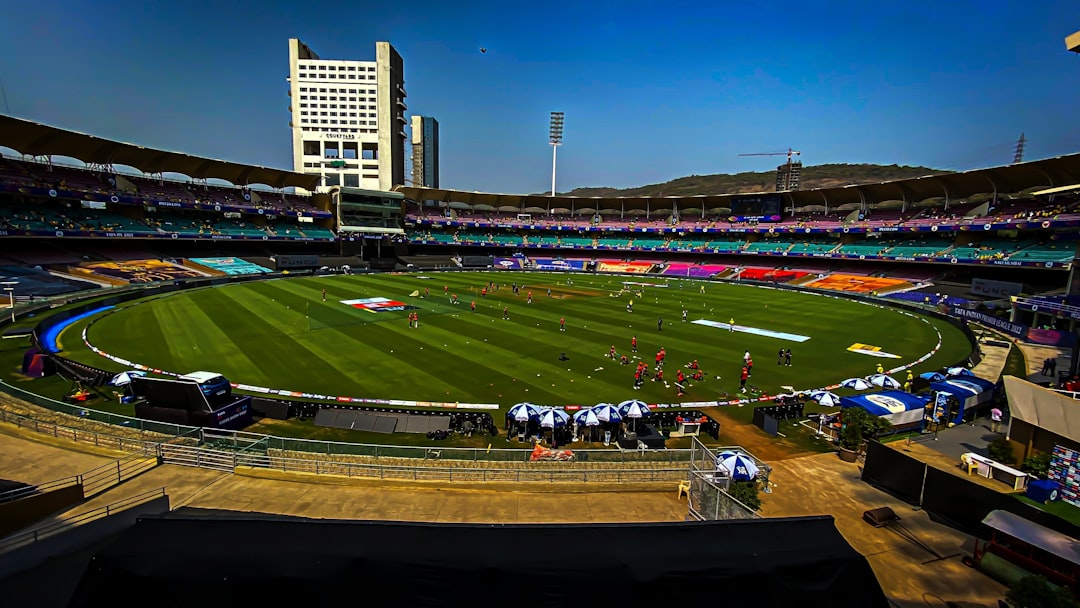
99 Million on JioHotstar: A Turning Point for Women's Cricket Rights and Revenue
Hook: Fans want fast, trustworthy live coverage and sponsors want measurable ROI — yet the historic 99 million digital viewers that JioHotstar reported for the Women’s World Cup final in 2025 exposed a structural mismatch: legacy broadcast deals still reward linear reach more than the streaming-driven attention that now powers commercial value in women's cricket.
The headline is simple: JioHotstar (under the JioStar umbrella) reported about 99 million digital viewers for the ICC Women’s World Cup final, while the combined JioStar platform averaged roughly 450 million monthly users in late 2025. JioStar’s parent company disclosed strong financials for the quarter ended Dec. 31, 2025 — INR 8,010 crore (~$883M) in revenue and INR 1,303 crore (~$144M) EBITDA — and credited unusually high streaming engagement from the tournament for the spike.
Why this matters now (inverted pyramid)
Broadcast rights, sponsorship contracts and revenue-sharing frameworks that were negotiated on the back of linear TV metrics and static CPMs are now being outpaced by real-time digital viewership, programmatic ad markets, and attention-based metrics. The 99M figure is not just a publicity stat — it's a quantifiable commercial signal that should force boards, broadcasters and sponsors to renegotiate how rights value is assigned and how revenue is split.
What the 99M figure really means for commercial stakeholders
At first glance, 99 million digital viewers is a vanity number unless its underlying metrics are understood. Smart stakeholders will ask for the breakdown: unique viewers, average minute audience (AMA), total viewing minutes, peak concurrent users (CCU), and engagement signals (chat interactions, poll participation, ad completion rates).
Key takeaways from the JioHotstar milestone:
- Digital reach is material. A single match can generate tens of millions of digital uniques, rivaling — and sometimes exceeding — traditional TV reach in urban and youth segments.
- Engaged minutes are the new currency. Brands care about attention, not just the number of devices tuned in. Programmatic CPMs and dynamic pricing favor platforms that can prove high engagement.
- Granular regional data unlocks value. Sponsors targeting specific states or language audiences can obtain much higher ROI when they get regional viewer splits.
- Bundled rights undervalue digital. Multi-year deals that used conservative digital multipliers will underperform when platforms deliver that kind of scale.
2026 trends accelerating the shift
- Programmatic & Dynamic Pricing: Ad marketplaces in 2025-26 matured rapidly; real-time bidding for live sports inventory increased average revenue per impression for platforms that could evidence high engagement.
- AI-driven attention metrics: Platforms now model attention via a mix of active interactions, video watch duration and second-by-second ad completion, producing richer advertiser-facing reports.
- Micro-rights and OTT-first negotiations: Leagues and boards are experimenting with direct-to-consumer offerings, selling micro-rights (highlights, clips, behind-the-scenes) separately from live rights.
- ESG and gender-equality premiums: Sponsors increasingly assign value to women's sport alignments, creating premium commercial opportunities when audiences are demonstrably large.
Why current rights and revenue models are broken
Most broadcast agreements still use legacy constructs: guaranteed minimum rights fees, fixed linear audience estimates, and static sponsorship valuations. These systems fail on several fronts:
- They underweight digital uniques and engagement.
- They lack transparent, auditable audience data clauses.
- They provide little mechanism for sharing programmatic ad upside between platforms and federations.
- They don't account for regional-language monetization or micro-content licensing.
Real-world consequences
Boards may be underpaid relative to the true commercial value created during digital-first spikes. Sponsors may overpay for raw reach but get poor targeting. Broadcasters that assumed a closed linear ecosystem are missing variable upside, and platforms that delivered the audience (like JioHotstar) bear most of the distribution and tech risk while pockets of downstream value (sponsorships, secondary clips) flow elsewhere.
"If platforms are delivering scale and measurement, they must capture appropriate share of the upside — but federations need clearer reporting and guaranteed minimums that reflect modern viewership patterns." — Senior commercial executive, global sports rights
Concrete commercial models to renegotiate — actionable frameworks
Below are practical deal structures and contract clauses that broadcasters, boards and sponsors can adopt. These proposals balance guaranteed income with performance upside and introduce transparency and accountability into broadcast rights negotiations.
1. Base Guarantee + Performance Pool (Hybrid Model)
Structure:
- Board/Organizer receives a base rights fee under current terms (guaranteed).
- A separate Digital Performance Pool is established: a percentage of platform ad revenue + sponsorship premium tied to tournament-specific programmatic inventory.
- Performance Pool distribution formula: Pool * (EventDigitalUniqueViewers / BenchmarkUniqueViewers) capped at X% uplift.
Why it works: preserves predictability for boards while aligning platform incentives with the financial upside of high digital engagement.
2. Audience-Data Revenue Share (Transparent Metrics Contract)
Structure:
- All parties commit to common third-party measurement (e.g., Comscore, Nielsen, BARC India programmatic extensions).
- Sponsors and boards receive standardized reports: cumulative reach, AMA, engaged minutes, CCU, ad completion rates.
- Real-time dashboards for key stakeholders; quarterly true-ups based on verified metrics.
Why it works: removes disputes over numbers and enables dynamic commercial decisions mid-tournament.
3. Sponsorship Inventory Split & Programmatic Revenue Share
Structure:
- Define inventory categories: premium nominative sponsorships (title, presenting), broadcast-integrated inventory (on-screen logos), and programmatic inventory (dynamic ads during streaming).
- Split programmatic ad revenue 60/40 or 70/30 (platform/board) after operational costs, with escalators when engagement benchmarks are exceeded.
Why it works: monetizes the growing programmatic ecosystem while giving boards a share of the long tail of ad revenue.
4. Micro-Rights & Highlight Commerce
Structure:
- Separate micro-rights for short-form highlights, social clips and data feeds. Boards retain ownership but license on revenue-share or fixed-fee terms.
- Introduce a clip marketplace where platforms pay per-view or split ad revenue for highlight packages used by global publishers.
Why it works: unlocks incremental income from content that drives discovery and fan growth between events.
5. Regional Language Premiums
Structure:
- Contractually require platforms to report viewership by language/region.
- Allocate sponsorship inventory or price multipliers to regional audiences (e.g., +20–50% CPM for top regional languages with verified engagement).
Why it works: recognizes the commercial power of local-language engagement and incentivizes localized production.
Suggested legal & operational clauses to include in future deals
- Third-Party Verification Clause: Mandate independent auditing of digital metrics and financials every event cycle.
- Escalator Clauses: Pre-agreed escalators tied to AMA and cumulative reach thresholds (e.g., +5% fee if AMA exceeds benchmark).
- Data Access & Usage Rights: Boards must receive anonymized audience data for commercial repackaging, player profiling and sponsorship activation.
- Programmatic Revenue Sharing: Define clear splits, reporting cadence, and reconciliation timelines.
- Audit & Dispute Resolution: Fast-track arbitration for metric disputes with predefined KPI definitions.
How sponsors should rethink activation and valuation
Sponsors should move from CPM-only valuation to hybrid metrics that include AMA and engaged minutes. Activation budgets should be split across reach, attention and commerce:
- Performance budget (programmatic) tied to completion rates and conversions.
- Brand budget for premium in-stream inventory and integrated content.
- Activation & commerce budget for in-stream shoppable units and clip-level sponsorships.
In 2026, measurement sophistication allows sponsors to value a 30-second engaged minute higher than a passive 30-second impression — and to negotiate guarantees based on predicted engaged minutes.
Board-level strategies: protect long-term value
Leagues and national boards should:
- Insist on data transparency and third-party verification as a core part of any rights sale.
- Retain micro-rights and short-form clip ownership where possible — these scale global discovery and can be licensed to multiple partners.
- Negotiate minimum participation clauses for platforms (regional feeds, quality of service, anti-geoblocking where appropriate).
- Reserve a digital performance pool to capture programmatic upside.
Sample revenue split (practical illustration)
Example: A tournament rights sale valued at INR 100 crores with the following hybrid structure:
- Base guaranteed fee to board: INR 80 crores.
- Digital Performance Pool (10% of platform ad revenue attributable to the tournament): projected INR 10 crores — distributed 60/40 (board/platform) after benchmarks.
- Micro-rights royalties: 20% of micro-right licensing revenue to board.
- Programmatic ad revenue share: 30% split to board after operational costs if AMA benchmark exceeded.
This kind of example creates upside for both platform and board when events over-index on digital.
Risks & mitigation
Risks to these models include measurement disputes, platform concentration (one dominant streamer), and regulatory scrutiny over data sharing. Mitigation tactics:
- Insist on independent auditors and shared dashboards.
- Include fair-market clauses allowing boards to re-open negotiation if a platform channel becomes dominant.
- Adopt privacy-first, aggregated data sharing to comply with global data laws while preserving commercial insight.
What this means for women's cricket specifically
Women's cricket has been growing in audience and sponsor interest; 2025–26 saw meaningful investment in broadcast and grassroots. The JioHotstar 99M milestone demonstrates that women's matches can generate mainstream digital scale. Boards that adopt modern commercial frameworks will realize two benefits:
- Short-term: higher realized revenue from digital monetization and performance pools.
- Long-term: stronger sponsor relationships based on measurable ROI, leading to increased investments into player development and marketing.
Actionable next steps for each stakeholder
For Boards & Federations
- Require third-party verification clauses in all new deals.
- Retain micro-rights and create a licensing strategy for highlights and short-form content.
- Demand regional-language viewership reporting and include regional multipliers in valuation models.
For Broadcasters & Platforms
- Propose hybrid deals (base + performance) that share programmatic upside with boards.
- Invest in attention measurement tools and offer sponsors robust ROI dashboards.
- Develop premium regional feeds and create clause-based incentives for local-language pilots.
For Sponsors
- Negotiate guarantees tied to AMA, engaged minutes and regional reach.
- Allocate a programmatic performance budget and use shoppable, data-driven activations during live streams.
- Request transparency on ad inventory and clear escalation paths if actual metrics deviate from guarantees.
Final assessment: the commercial playbook for 2026
The JioHotstar 99M number is less an isolated triumph and more a proof point: when women's cricket delivers measurable scale, the commercial frameworks must evolve. Rights holders that cling to fixed, linear-era deals will lose long-term value. Platforms that deliver scale but refuse to share transparent data risk regulatory and partner backlash.
Boards, broadcasters and sponsors must adopt a modern, data-first commercial playbook in 2026: hybrid guarantees with variable performance pools, audited audience metrics, programmatic revenue sharing and retained micro-rights. This approach balances stability with upside and ensures that growth in viewership and engagement translates into fairer revenue splits and sustainable investment in the women's game.
Actionable takeaways
- Insist on verified audience metrics (unique viewers, AMA, engaged minutes).
- Adopt hybrid rights deals: guaranteed base + digital performance pool.
- Split programmatic ad revenue and retain micro-rights for highlights.
- Introduce regional-language premiums and dashboards for sponsors.
- Build contractual escalators and audit mechanisms to resolve disputes quickly.
Call-to-action: If you're a board, broadcaster or sponsor planning rights negotiations in 2026, start by demanding transparent digital metrics and propose a hybrid revenue model. Reach out to independent measurement firms and legal advisers now — then build contracts that share upside and protect long-term value for women's cricket.
Related Reading
- If Inflation Surges in 2026: Traders’ Playbook for Metals, Bonds and Equities
- From Puffer to Powder: Translating Dog Puffer Coat Aesthetics into Your Winter Beauty Look
- Mac mini M4 Hacks: Get Pro Performance on a Budget — Best Upgrades and Cost-Saving Bundles
- How to Pick the Best Phone Plan for Long-Term Travel: Save Like a Local
- Small Business Playbook: Handling Payroll Corrections and Back‑Pay Orders Without Triggering Penalties